9 HVAC Tips for Summer Every New Jersey Homeowner Should Know

If you’ve been in New Jersey for a while, you’ve probably experienced the state’s summer. .

From that heavy, sticky air that hits you the second you step outside to the intense heatwaves that make the pavement look like it’s melting, this season is no joke.

And as the temperatures skyrocket, your air conditioner goes from a nice-to-have to a must-have. 

But here’s the catch: No matter how good your air con is, it can struggle in a heatwave or worse break down. This is the last thing you want when the mercury’s hitting its peak.

So, how do you keep your home cool, comfortable, and energy-efficient all summer long? 

It’s easier than you might think. Follow my simple HVAC tips for summer and you can save on expensive repairs, lower your energy bills, and make sure your home stays cozy throughout the season. 

I’ve detailed each of these home HVAC maintenance tips below, so let’s get started. 

Key Takeaways

  • Schedule a pre-summer AC tune-up to catch problems early.
  • Change your air filter every month during the hot months.
  • Set your thermostat to 78°F for comfort and savings.
  • Keep your outdoor AC unit clear of debris and plants.
  • Use ceiling fans to stay cool without turning down the thermostat.
  • Seal any drafts and make sure your insulation is in good shape.
  • Reduce indoor humidity to feel cooler and reduce strain on your AC.
  • Upgrade to a smart or programmable thermostat for better control.
  • Take advantage of NJ rebates for energy-efficient upgrades.

The best HVAC tips for summer in NJ

1. Get a pre-summer HVAC maintenance

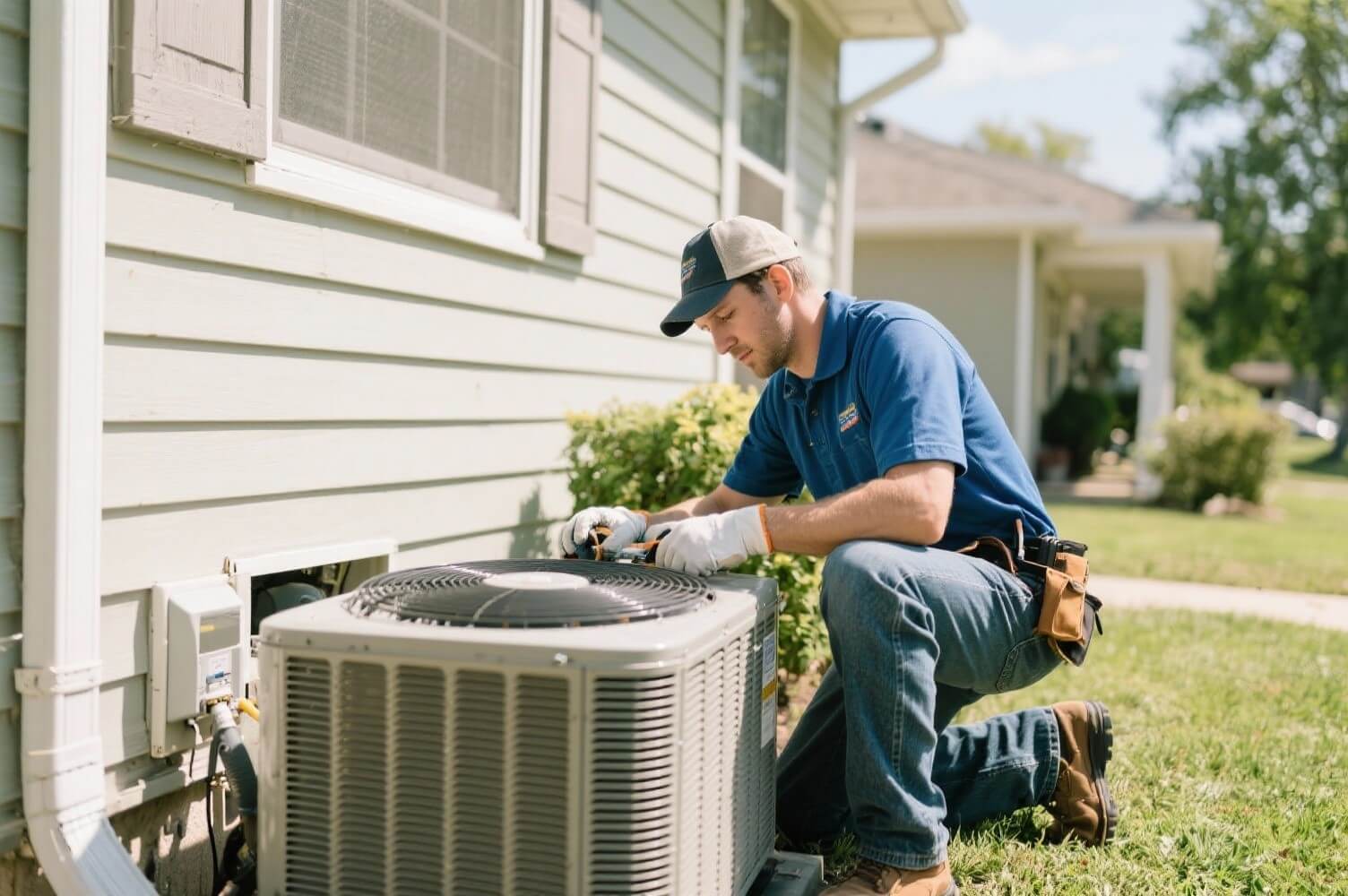
HVAC technician servicing an outdoor air conditioning unit to ensure optimal performance during the summer months.

Before the first heatwave hits, getting a professional HVAC tune-up should be at the top of your to-do list. 

Why? 

Your AC has been sitting unused for months, and a quick check-up makes sure it’s in good shape for the New Jersey summer heat. 

A seasonal maintenance ensures your system runs safely and efficiently,  keeping you cool throughout the hot months.

Talking about service itself, a professional HVAC duct cleaner should do the following:

  • Check refrigerant levels and look for leaks.
  • Clean the evaporator and condenser coils to help your air con run better.
  • Make sure your thermostat is working correctly.
  • Check the electrical components to detect any hidden issues.
  • Clear the drain line to prevent water damage or breakdowns.
  • Test the entire system to make sure everything’s working properly.

Pro tip: Book your tune-up in the spring before the summer rush. This way, not only will you get an appointment at your convenience, but you might also grab some discounts. 

Clean-Air-Technologies's Logo
Angies Super Service
Accredited Business
Aeroseal

Schedule Your Free Estimate Today

Contact us to improve your indoor air
quality with our expert cleaning services in NJ.

2. Change the air filter regularly

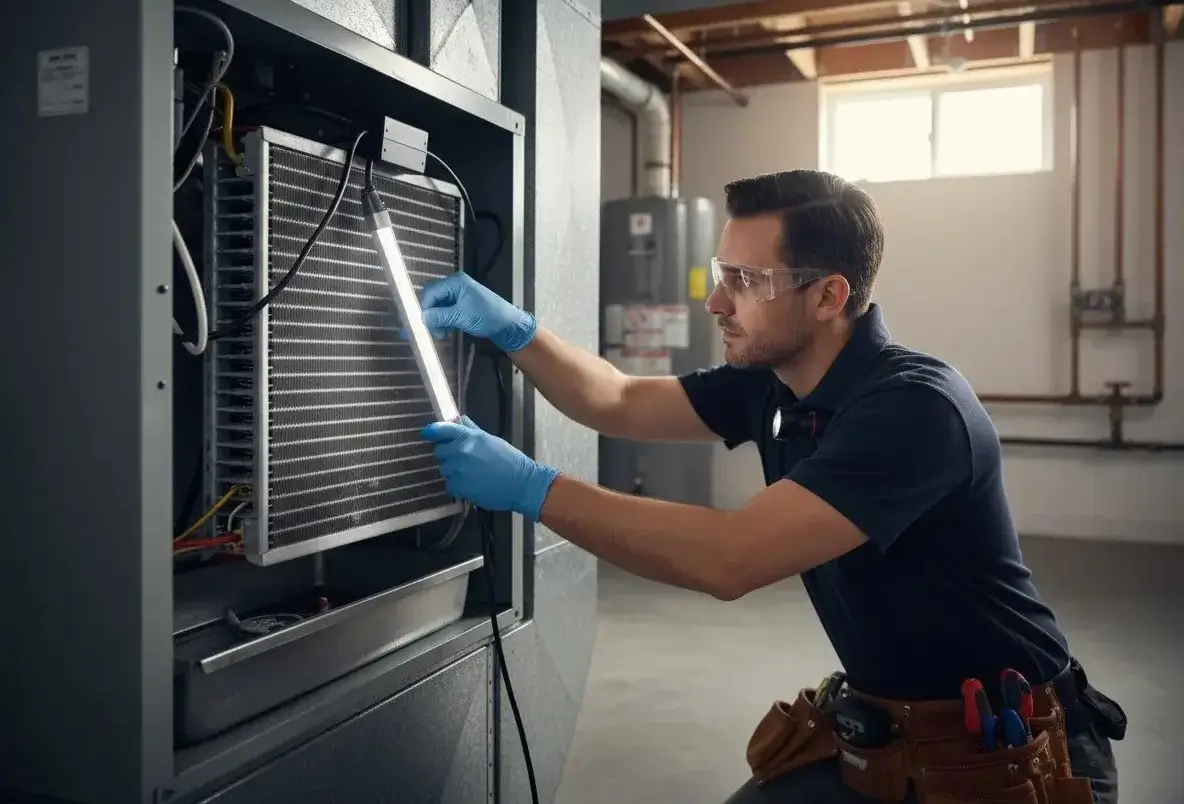
HVAC technician replacing the air filter of an indoor air conditioning unit to ensure efficient airflow and proper cooling.

Changing your air filter is one of the simplest and most effective ways to keep your HVAC system running efficiently. 

You see, a dirty or clogged air filter makes it harder for air to flow, forcing your AC to work much harder than it should. This, in turn, reduces airflow, causes poor cooling, and even increases your energy bills.

What’s worse?

In some cases, dirty filters can even cause your system to freeze up, leading to even more troubles down the line.

Pro tip: Check your filter once every month and swap it out if it looks dirty or clogged. For most 1-inch HVAC filters, a replacement every 1-3 months is fine, but keep an eye on it during summers and change it more often if needed. 

3. Be smart with your thermostat and save money

HVAC technician performing a pre-summer inspection on a thermostat to ensure optimal air conditioning performance for hot weather.

Cranking your AC down to 72°F feels awesome. But your energy bill will remind you that it’s not the best idea.

Instead, try setting your thermostat to 78°F when you’re home and awake. This is the sweet spot for staying cool without wasting energy. 

Also, it is the Department of Energy’s recommended setting for the best balance of comfort and efficiency.

Bonus: When you’re sleeping or out, raise the temperature by 7-10 degrees. This simple change can save you up to 10% on your cooling costs each year. 

Awesome, isn’t it?

4. Maintain your outdoor HVAC unit

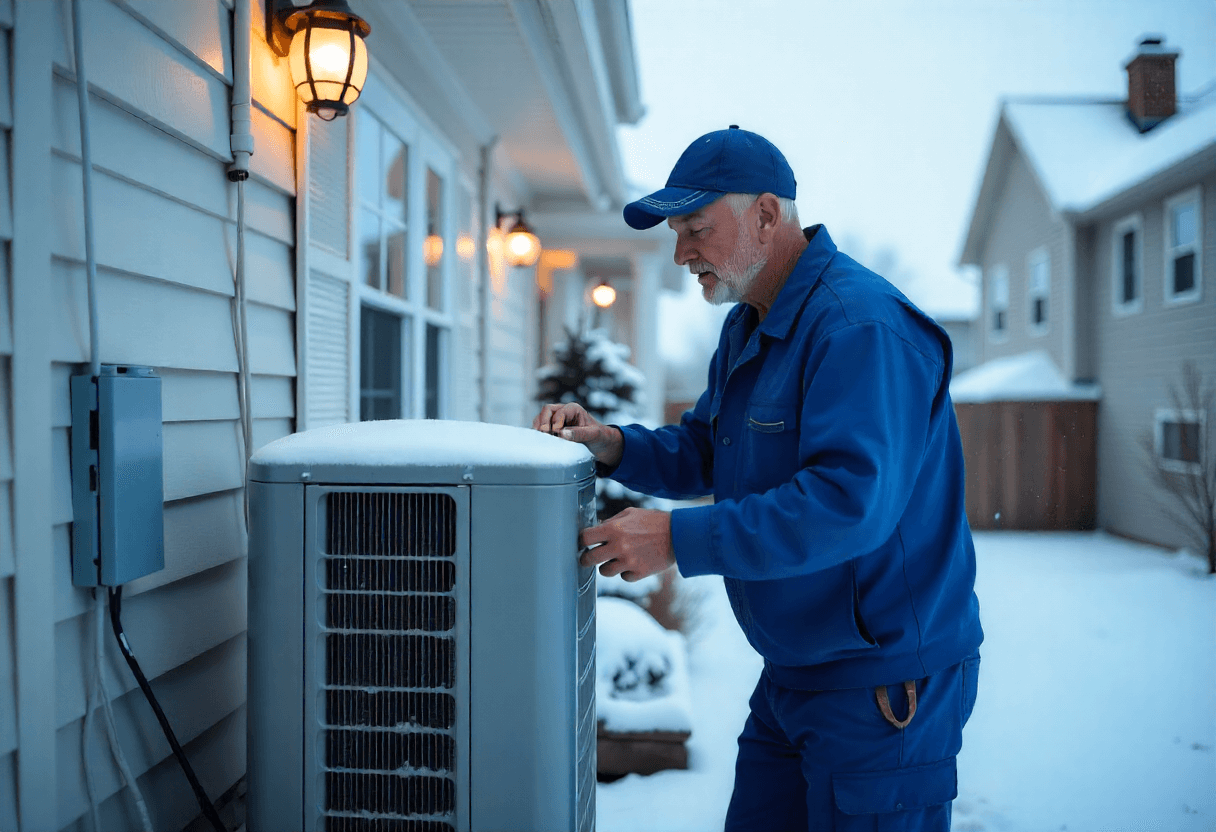
HVAC technician cleaning the outdoor air conditioning unit to ensure optimal performance during the hot summer months.

That metal box outside your home is your AC’s condenser unit, and it’s super important for optimal HVAC function. 

Now, this unit needs plenty of space to push out hot air without running any danger of damage. 

So, here’s what I suggest you do: 

  • Clear the area: Make sure there’s at least 2-3 feet of space around it. Trim back any plants, weeds, or bushes that are crowding it.
  • Clean the unit: Turn off the power and gently spray the fins with a garden hose to get rid of dirt and pollen. Avoid a pressure washer as it can damage the delicate parts.

Pro tip: Keep grass clippings and falling leaves away. They can clog the coils and mess with your AC’s efficiency.

5. Use ceiling fans to stay cool

Ceiling fan circulating air in a room, helping to stay cool and reduce the need for excessive air conditioning during the summer.

Ceiling fans don’t actually cool the air. But they do create a breeze that makes you feel cooler. 

This lets you set your thermostat about 4°F higher and still feel just as comfortable.

Sounds awesome, doesn’t it?

Pro tip: Make sure your fan is spinning counterclockwise in the summer. This pushes cool air down, giving you that nice, refreshing breeze. (In the winter, flip it clockwise to push warm air back down.)

6. Seal the drafts and insulate your home

Man performing HVAC maintenance by cleaning and replacing the air filter in an air conditioning unit for summer readiness.

Your AC can be working perfectly, but if all that cool air is escaping, you’re basically cooling the outside world. 

And to get the most out of your system, you need to keep the cool air inside where it belongs.

Here’s what I suggest you do: 

  • Seal windows and doors: Use weatherstripping and caulk to seal any drafts. On a sunny day, go around your windows and doors, and feel for any cold air leaking through. You might be surprised where it’s escaping. 
  • Check your insulation: Proper attic insulation (R-30 to R-60 is ideal for NJ) helps prevent heat from pouring in. This helps prevent your home from becoming a hot box. A good insulation makes a big difference in keeping things cool without overworking your AC.

7. Prevent humidity build-up 

HVAC technician using a diagnostic tool to inspect and troubleshoot an outdoor air conditioning unit for optimal performance.

New Jersey summers are famously humid. And that sticky, muggy air can make even the most comfortable temperature feel uncomfortable. 

Plus, humidity makes your AC work even harder to remove moisture from the air.

So, what can you do?

  • If you’re feeling sticky, add a dehumidifier to areas like the basement or laundry room. A well-functioning AC does dehumidify, but sometimes it’s just not enough for those extra humid spots.
  • Also, keep your indoor humidity levels between 30 and 50 percent for the best comfort and efficiency.

8. Upgrade to a smart thermostat

HVAC technician calibrating or diagnosing a thermostat to ensure proper temperature regulation for energy efficiency.

Still rocking that old manual thermostat? 

You could be missing out on some serious energy savings. 

A smart thermostat learns your schedule and automatically adjusts the temperature when you’re away or asleep.

How?

You can control it right from your phone, and it gives you detailed energy usage reports, so you know exactly where your money’s going.

On top of that, many NJ utility companies offer rebates for upgrading to a smart thermostat, which can lower the upfront cost.

9. Take advantage of NJ’s energy efficiency rebates

A family celebrating summer in New Jersey with an HVAC system in top condition, following expert tips to keep their home cool and energy-efficient.

If you’re thinking about upgrading your AC to a more energy-efficient model, New Jersey has some great programs to help you save money.

For instance, the NJ Clean Energy Program offers rebates for installing energy-efficient HVAC equipment and smart thermostats. 

These upgrades not only make your home more comfortable but can also significantly lower your cooling bills in the long run.

Clean-Air-Technologies's Logo
Angies Super Service
Accredited Business
Aeroseal

Schedule Your Free Estimate Today

Contact us to improve your indoor air
quality with our expert cleaning services in NJ.

In short, here are all the HVAC tips for summer in New Jersey:

TipWhat to DoWhy it HelpsQuick Tip
1Get a Pre-Summer Tune-UpMakes sure your AC is ready for the heat.Book early to avoid the summer rush!
2Change Air Filter RegularlyKeeps your AC running smoothly and saves energy.Change it monthly, especially in summer.
3Set Thermostat to 78°FSaves energy and keeps you cool.Raise it 7-10°F when you’re not home to save more.
4Clean and Clear Outdoor UnitHelps your AC run better and cooler.Keep 2-3 feet of space around it, no pressure washers!
5Use Ceiling FansHelps you feel cooler without cranking the AC.Make sure fans spin counterclockwise in summer.
6Seal Drafts & InsulateKeeps cool air inside and saves energy.Seal windows/doors and check attic insulation.
7Use a DehumidifierReduces sticky, uncomfortable humidity.Keep humidity between 30-50% for the best comfort.
8Upgrade to a Smart ThermostatSaves energy by adjusting automatically.Check for NJ rebates to save on the upgrade.
9Use NJ Energy RebatesGet money back for upgrading your AC and thermostat.Save money on energy-efficient upgrades.

You might also want to read: 7 Expert-backed HVAC Tips For Winter In New Jersey.

Final thoughts

By now, you know all the essential HVAC tips for summer in New Jersey.

You see,  NJ summers demand a lot from your home’s cooling system. But with the above summer HVAC tips, you can enjoy a season of reliable, efficient, and comfortable cooling.

Be it a simple filter change or a professional tune-up, each of these tips will help you stay cool, save money, and avoid the distress of a mid-summer breakdown.

Need a hand getting your system summer-ready?

We’re here to help!

At Clean Air Technologies, we’ve been helping NJ homeowners stay comfortable for nearly 30 years. 

Reach out to us today for a pre-summer tune-up, and we’ll make sure your HVAC system is all set to beat the heat.

FAQs about hvac maintenance tips for summer

How often should I run my AC to keep my home cool?

I suggest you run it consistently rather than turning it completely off and on. 

Also, set your thermostat at a consistent but slightly higher temperature when you’re out. For instance, 85°F is more efficient than turning it off and forcing the system to work extra hard to cool down a hot house when you return.

My AC is running but not cooling well. What’s wrong?

This could be a few things: a dirty air filter, low refrigerant, a dirty condenser coil, or a failing component. 

Start by checking and replacing the filter. If that doesn’t solve it, it’s time to call a professional for a diagnosis.

Is it worth closing vents in unused rooms?

Generally, no. 

Modern central AC systems are designed to balance airflow throughout the entire duct system. Closing vents can increase pressure in the ducts, forcing your system to work harder and potentially leading to leaks or other damage.

What should I do if my AC completely stops working during a heatwave?

First, check your circuit breaker to see if it has tripped. If it has, reset it. If it trips again, call a professional. 

Also, ensure your thermostat has batteries and is set to cool. If these simple steps don’t work, shut the system off and call for emergency service to prevent further damage.

How To Clean HVAC Ducts Yourself? (DIY Tips For Safe Cleaning)

Have you been noticing extra dust around your home, a musty smell when the air con kicks on, or your allergies flaring up for no reason?  

Well, dirty HVAC ducts might be causing all of it. 

Now, before you hit panic mode and make frantic calls to every duct cleaner, let me tell you that you can clean your HVAC ducts yourself.

Although it’s not a full replacement for professional duct cleaning, a DIY cleaning can still improve airflow, reduce dust buildup, and help your HVAC system run smoother.

This isn’t a magic fix for mold, pests, or years of neglected ductwork. But if you’re in a typical New Jersey home, regular DIY duct cleaning can make a difference.

In this blog, I’ll walk you through exactly how to clean your HVAC ducts yourself safely using tools you might already have. You’ll learn:

  • What tools and materials you need
  • All the required steps for complete air duct cleaning
  • When to stop and call in a professional
  • Extra tips to keep your ducts cleaner, longer

So roll up your sleeves and let’s get started.

 Key takeaways

  • DIY duct cleaning helps reduce dust and improve airflow.
  • You’ll need basic tools like a shop vac, brush, and screwdriver.
  • This method is for light maintenance and not deep cleaning or mold.
  • Always replace your HVAC filter after cleaning.
  • Older NJ homes often need duct checks due to age and humidity.
  • If you smell mold, see pests, or have allergies, call a professional.

How to clean HVAC ducts yourself safely?

For starters, a DIY HVAC duct cleaning is one where you tackle all sorts of dust, dirt, and debris.

Here, you’ll remove vent covers, vacuum out dust using a strong hose, and scrub ducts to loosen grime. 

While this DIY approach can improve your indoor air quality and system efficiency, it’s mainly for routine maintenance. 

I have detailed exactly how to clean ductwork yourself using the right tools and steps below. 

First of all, gather essential tools

Before you start with actual cleaning, you’ve got to have the right gear on hand. Most of these are common household tools, or you can find them easily at a local hardware store.

Here’s what you’ll need:

  • Screwdriver or drill: To remove vent covers (Phillips or flat-head depending on your vents).
  • Shop vac (wet/dry vacuum): A vacuum with a long hose and strong suction is key. Bonus points if it has a brush attachment.
  • Dryer vent brush or stiff cleaning brush: Helps loosen dust and debris inside the ducts. The same type of brush is often used during dryer vent cleaning New Jersey services to remove lint buildup from dryer exhaust lines and improve airflow.
  • Microfiber cloths or rags: For wiping down vent covers and duct openings.
  • Paper towels: To cover supply vents while you clean others, so dust doesn’t blow everywhere.
  • Protective gear: A dust mask, safety goggles, and gloves are a good idea (especially if you have allergies or asthma).
  • New HVAC filter: To replace your filter after cleaning to keep your air clean and your system running efficiently.

Optional but helpful tools:

  • Flashlight: To help you see deeper into the ducts.
  • Vacuum brush attachment: Makes cleaning around vent edges easier.

In short, here are all the tools you need: 

ToolPurpose
Screwdriver or DrillTo remove vent covers
Shop Vac (Wet/Dry Vacuum)To vacuum dust and debris inside ducts
Dryer Vent Brush/Stiff BrushTo loosen dust and debris inside ducts
Microfiber Cloths/RagsFor wiping down vent covers and duct openings
Paper TowelsTo cover supply vents during cleaning
Protective GearDust mask, safety goggles, gloves for safety
New HVAC FilterTo replace after cleaning
FlashlightFor seeing deep into ducts
Clean-Air-Technologies's Logo
Angies Super Service
Accredited Business
Aeroseal

Schedule Your Free Estimate Today

Contact us to improve your indoor air
quality with our expert cleaning services in NJ.

Then, follow this step-by-step guide to clean ductwork yourself

Now that you’ve got your tools ready, it’s time to get your hands dirty. This isn’t a complicated job, but it does take some patience and attention to detail.

I will walk you through the process step by step so you can do it safely and effectively. 

But remember, this DIY method is for basic cleaning and maintenance. And if you’re dealing with mold, strong odors, or signs of pests, stop here and call a professional.

Let’s get started.

Step 1. Turn off your HVAC system

Before you start removing vent covers or sticking anything into your ducts, turn off your heating or cooling system at the thermostat. If your HVAC unit has a dedicated breaker switch, flip that off too.

This is important for two reasons:

  • It prevents dust and debris from being blown around while you clean.
  • It keeps your fingers safe if you’re reaching near fan components or motorized vents.

Double-check that both heating/cooling and fan settings are off before moving on.

Step 2. Remove and clean vent covers

Having turned the system off, you go around your home and unscrew or unclip the vent covers from both floor and wall registers. You’ll usually need a screwdriver or a drill for this part.

Once removed:

  • Soak the covers in warm, soapy water, especially if they’re dusty or greasy (common near kitchens).
  • Scrub with a brush or cloth to remove any built-up grime.
  • Let them dry completely before putting them back on later.

I’ve explained how to clean air vents yourself in a separate blog, go through it for more details. 

Step 3. Cover supply vents

It’s a good idea to cover the supply vents in rooms you’re not actively cleaning yet. This helps prevent dust and debris from blowing into your living space while you work.

Here’s how to do it:

  • Cut a few paper towels to size and lightly tape them over each vent cover opening.
  • You can also use microfiber cloths or old rags if you prefer something reusable.
  • Don’t seal them airtight, just enough to catch loose particles.

This keeps things cleaner and stops dust from settling back into your home while you vacuum other sections.

Step 4. Loosen dust and debris

Now it’s time to break up the buildup inside your ducts. Most of what you’ll be dealing with is dry dust, cobwebs, pet hair, and loose debris that’s clinging to the walls of the ductwork.

Here’s how to loosen it up:

  • Use a dryer vent brush, long-handled stiff brush, or even a toilet brush to gently scrub the inside of the ducts.
  • Reach in as far as you comfortably can and twist the brush around to dislodge gunk stuck to the sides.
  • Start with return vents as these tend to collect the most dust. And if you’re not sure which one is a return vent, go through my blog on different types of air vents before you follow this step. 
  • Be careful not to damage flexible ductwork (common in newer homes or attics). If it feels soft or crinkly, don’t push too hard.

5. Vacuum inside the ducts

Everything is loosened up now, and it’s time to vacuum all that dust and debris out of your ducts.

Here’s how you can do it:

  • Use a shop vac with a long, flexible hose, ideally one with a brush attachment for better reach and agitation.
  • Insert the hose into the duct and slowly move it around in circular motions, making sure to get into the corners and bends as far as you can reach.
  • Pay extra attention to the return vents as it usually collects the most buildup.
  • If your vacuum doesn’t reach deep into the ductwork, that’s okay, you’re still removing a good chunk of surface-level dust and particles.

Pro tip: If your shop vac blows air out the back, make sure the exhaust is vented outside or use a HEPA filter bag so you’re not just redistributing the dust.

6. Wipe down openings and grilles

While most of the cleaning happens inside the ducts, don’t forget the vent covers and grilles as they collect dust, dirt, and grime too.

Here’s what you should do:

  • Remove vent covers gently using a screwdriver if needed.
  • Use a damp cloth or microfiber towel with mild soap or all-purpose cleaner to wipe down the covers and the surrounding wall or floor area.
  • For metal grilles, a quick scrub with a soft brush can help loosen stubborn dirt.
  • Let them dry completely before reinstalling to avoid trapping moisture inside the ducts.

Cleaning these components improves airflow and keeps your home looking tidy.

7. Replace or clean HVAC filters

Your HVAC filters play a huge role in keeping dust and debris out of your ducts, so this step is crucial.

Here’s what to do:

  • Locate your HVAC filter (it is usually near the air handler or furnace).
  • If it’s a disposable filter, get an air filter replacement and replace it with a new one that matches the size and rating recommended by your HVAC system’s manufacturer.
  • If it’s a reusable filter, remove it and clean it according to the manufacturer’s instructions. You’ll usually rinse with water and let it dry completely before reinstalling.

8. Do a final check and restart your system

You’re almost done. Now it’s time to make sure everything is back in place and your system is running smoothly.

Here’s what you need to do:

  • Double-check that all vent covers and grilles are securely reattached.
  • Make sure your tools and cleaning materials are cleared away from the area.
  • Turn your HVAC system back on and listen for any unusual noises.
  • Feel the airflow at the vents to ensure it’s strong and consistent.
  • Keep an eye on your system over the next few days for any signs of trouble, like strange smells or reduced airflow.

Your HVAC system should now run more efficiently and keep your home’s air fresher.

In short, here are all the steps to clean your HVAC ducts:

StepAction
1. Turn Off Your HVAC SystemTurn off at the thermostat or dedicated breaker switch.
2. Remove and Clean Vent CoversUnscrew vent covers, soak in soapy water, and scrub.
3. Cover Supply VentsUse paper towels or microfiber cloths to cover vents while cleaning others.
4. Loosen Dust and DebrisScrub ducts with a dryer vent brush or stiff cleaning brush.
5. Vacuum Inside the DuctsUse a shop vac with a long hose to suck out debris.
6. Wipe Down Openings & GrillesWipe vent covers and surrounding areas with a damp cloth.
7. Replace or Clean HVAC FiltersReplace disposable filters or clean reusable filters.
8. Final Check & Restart SystemEnsure all covers are back on, tools are cleared, and the system runs smoothly.

When should you call in an HVAC duct cleaning professional?

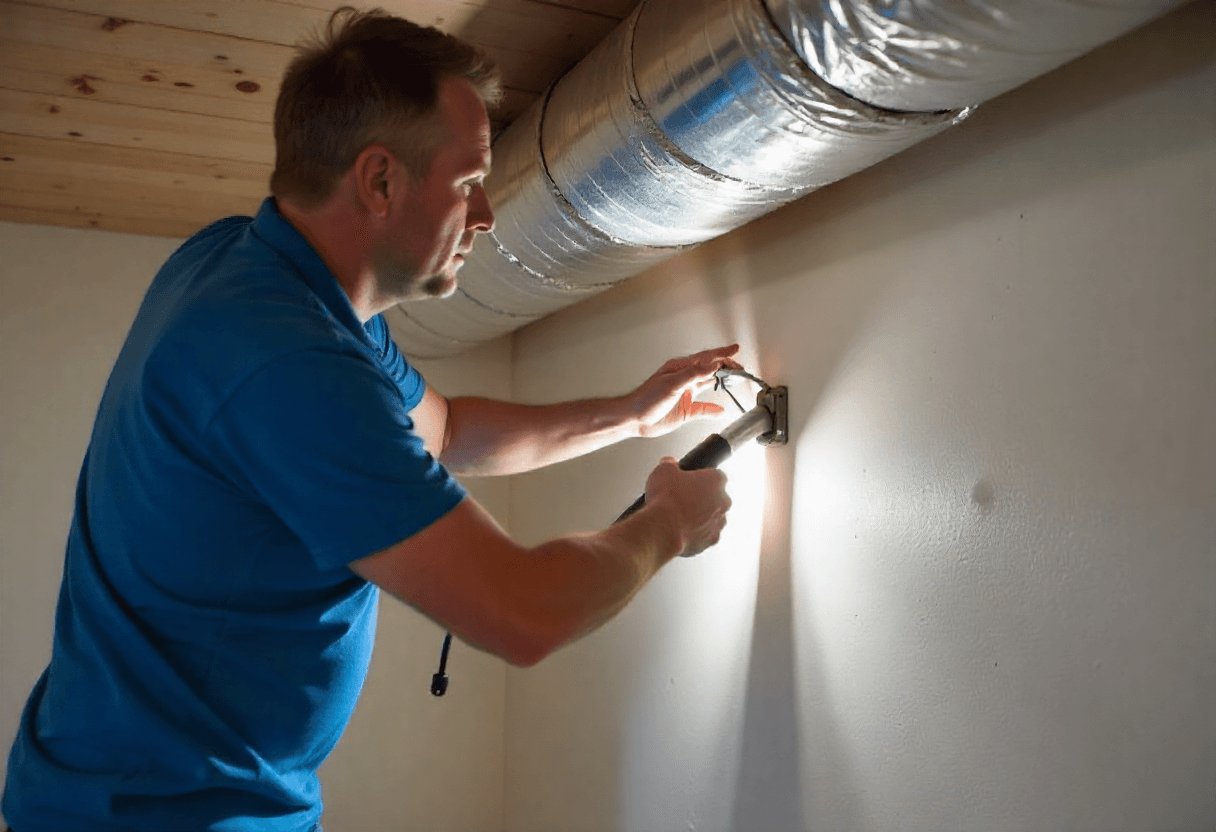
Man inspecting inside a wall-mounted HVAC duct using a flashlight, checking for dust, debris, or possible issues before cleaning as part of a DIY air duct maintenance process.

DIY duct cleaning can tackle a lot of the everyday dust and debris in your HVAC system.

But sometimes, the problems run deeper, and that’s when it’s smart to call in professionals who specialize in air duct cleaning new jersey to properly inspect and clean the entire system.

Here are some clear signs that your DIY efforts might not be enough, and it’s time to get expert help:

1. There’s musty smell or signs of mold

If you notice a persistent musty or moldy smell coming from your vents or around your home, that’s a big red flag. 

Mold inside your ducts isn’t just unpleasant, it can seriously affect your family’s health, especially if anyone has allergies or asthma. 

You see, mold in air ducts looks black, green, white, or gray. And it hides in hard-to-see places.

Removing it safely requires special equipment and know-how. DIY cleaning usually can’t handle this safely or thoroughly, so a professional is your best bet.

2. Pests or droppings in ducts

Are you finding signs of rodents, insects, or other pests in your ducts? 

Pests signs can include anything from droppings, chewed insulation, or even strange noises at night. And they can cause damage and spread bacteria or allergens through your air system.

Professional cleaners know how to safely remove pests and seal up entry points, keeping your home healthier in the long run.

3. Strange or persistent odors

Sometimes the odors coming from your ducts aren’t just from dust or normal use, they could be from hidden issues like dead rodents, mold, or chemical off-gassing. 

And if you’ve tried cleaning and freshening your ducts but the smell lingers, a professional inspection can identify and eliminate the root cause.

4. Severe allergies or asthma symptoms

If family members experience worsening allergies, asthma attacks, or respiratory problems that don’t improve despite regular cleaning, it could mean deeper air quality problems that DIY methods can’t fix. 

A professional duct cleaning combined with an indoor air quality assessment can make a real difference here.

5. Recent water damage

Had a recent leak, flood, or water damage in your home? 

Well, moisture can cause mold growth or rust inside your ducts, which is tough to clean without professional equipment. Plus, water damage can weaken ducts or HVAC components. 

So, calling a professional after water damage ensures your ducts are safe and your system isn’t at risk.

In short, here’s when you should call in a professional: 

SignReason to Call a Professional
Musty Smell or MoldMold can affect health and needs special equipment to remove.
Pests or DroppingsPests in ducts can cause damage and spread bacteria.
Strange or Persistent OdorsHidden issues like dead rodents or mold need expert help.
Severe Allergies or Asthma SymptomsUnresolved air quality problems require a professional cleaning.
Recent Water DamageMoisture can cause mold or duct damage that needs professional repair.

Pro tips to keep your ducts clean

Two HVAC technicians installing or repairing ductwork inside a home.

Cleaning your HVAC ducts yourself is a great way to improve your home’s air quality, but keeping them clean over time takes a little extra care. 

Here are some easy tips to help you keep your ducts clean and your system running smoothly for a long time: 

  • Change Filters Every 1-3 Months: Swap out your HVAC filters regularly to catch dust and debris before they enter your ducts.
  • Clean Vent Covers Every 6 Months: Wipe down vent covers every six months to remove dust, pet hair, and grime.
  • Keep Furniture & Rugs Away from Vents: Avoid blocking vents with furniture or rugs to allow proper airflow and reduce dust buildup.
  • Control Humidity (Especially in NJ Basements): Use a dehumidifier or improve ventilation to prevent mold growth in damp areas like basements.
  • Seal Leaky Ducts or Gaps: Inspect and seal any leaks in your ducts to keep dust and pests out while improving energy efficiency.
Clean-Air-Technologies's Logo
Angies Super Service
Accredited Business
Aeroseal

Schedule Your Free Estimate Today

Contact us to improve your indoor air
quality with our expert cleaning services in NJ.

Final thoughts

By now, I am sure you know everything about how to clean HVAC ducts yourself while keeping yourself and your system safe.

You see, as long as you’re prepared, careful, and take the right steps, DIY HVAC cleaning is absolutely doable. Plus, it’s a great way to maintain your system between professional visits.

Just remember that DIY cleaning isn’t a full substitute for a professional deep clean or a remedy for serious issues like mold or pests.

Need a deeper duct cleaning?

Get in touch with us!

At Clean Air Technologies, we have been helping homes across New Jersey breathe easier for over 28 years. Our experienced team offers thorough inspections and professional duct cleaning to tackle even the toughest issues.

FAQs about how to clean ac ducts yourself

How often should I clean my HVAC ducts?

Generally, it’s good to have your ducts cleaned professionally every 3 to 5 years. 

However, for routine maintenance, you can clean vent covers and accessible ducts yourself every 1 to 2 years. If you have pets, allergies, or live in a dusty area, more frequent cleaning might help.

Can I really clean my HVAC ducts myself, or should I always hire a professional?

DIY cleaning is great for regular maintenance like removing dust and debris from vent covers and accessible duct openings. 

But if you notice mold, pests, severe dust buildup, or if your ducts are hard to reach, it’s safer and more effective to call a professional.

What tools do I need for cleaning my ducts at home?

Basic tools include a vacuum with a long hose (preferably with a HEPA filter), microfiber cloths, brushes (like a paintbrush or dryer vent brush), screwdrivers, and possibly a flashlight. 

Having a face mask and gloves is also a good idea to protect yourself from dust and allergens.

Is vacuuming enough to clean HVAC ducts?

Vacuuming helps remove surface dust and debris, but it might not reach deep into the ducts or remove stubborn mold or pest contamination. 

That’s why a full professional cleaning often includes brushing, sanitizing, and sealing as needed.

What are the risks of trying to clean flexible or hard-to-reach ducts myself?

Flexible ducts are more fragile and can tear easily, which reduces HVAC efficiency and can worsen air quality. 

Hard-to-reach ducts may harbor hidden mold or pests that require special tools and expertise to remove safely. 

Damaging ducts can be costly to repair, so it’s best to leave these to pros.

How do I know if there’s mold in my HVAC ducts?

Signs of molds in air ducts include a musty or moldy smell near vents, increased allergy or asthma symptoms indoors, visible mold around vents, or recent water damage in your home. 

If you suspect mold, avoid disturbing it yourself and schedule a professional inspection.

How long does DIY duct cleaning usually take?

For an average home, basic DIY cleaning can take a few hours depending on the number of vents and how dirty they are. 

Professional cleaning might take a full day or more, depending on the home size and condition of the ducts.

How much does a professional HVAC duct cleaning cost?

A full air duct cleaning in New Jersey can cost anywhere in the range of $500 and $1000. The exact cost will depend on your location, extent of required cleaning, and the cleaning professional or company you hire. 

7 Essential HVAC Tips For Winter In New Jersey

From Nor’easters that dump snow overnight to mornings so cold your breath fogs up the windows inside the house, winter in the Garden State doesn’t mess around. 

And when it hits, your HVAC system becomes more than just a convenience, it’s your lifeline.

But here’s the thing: Even the best heating systems can struggle, or worse completely fail, if they’re not properly maintained. And you definitely don’t want to deal with furnace issues when the wind chill’s in the single digits. 

So how do you keep your home warm and cozy for the long and harsh winter spell? 

Well, it’s not that complicated. Just follow a few simple HVAC tips for winter now, and you can avoid mid-winter breakdowns, cut down your energy bills, and stay toasty until spring.

I will walk you through each of these tips in detail along with my professional HVAC maintenance advice.

Let’s get started. 

Key takeaways 

  • Schedule a full HVAC tune-up before winter kicks in.
  • Set your thermostat to 68°F for ideal comfort and savings.
  • Clear snow and ice from vents and outdoor HVAC units.
  • Seal drafts and upgrade insulation to prevent heat loss.
  • Heat pumps need extra care, so don’t panic during defrost cycles.
  • Maintain indoor humidity at 30-40% for comfort and health.
  • Use NJ rebate programs to save on energy-efficient upgrades.

Winter HVAC tips for every NJ resident

Woman in winter clothing adjusting a home thermostat to 68°F for better comfort and energy savings during cold weather.

1. Schedule a pre-winter HVAC service

Before you even think about snow boots or space heaters, a full HVAC service should be the first thing on your list.

Why? 

You see, your HVAC system takes on the full force of New Jersey winters. And it needs pre-winter maintenance for uninterrupted heating. 

A professional tune-up will ensure your heating system runs safely, efficiently, and reliably when you need it most.

Now, during a pre-winter service, your technician should typically:

  • Inspect your furnace or boiler for any gas or carbon monoxide leaks
  • Clean the blower motor, burners, and internal components
  • Test airflow to make sure it’s reaching every room
  • Check the heat exchanger for cracks or corrosion
  • Verify your thermostat is accurate and responsive

So, if you’re scheduling a service, make sure your technician does all of the above to fool-proof your system. 

Pro tip: Don’t forget to replace your air filter. A dirty filter can choke your airflow and force your system to work harder, leading to higher bills and more dust in your home. 

Clean-Air-Technologies's Logo
Angies Super Service
Accredited Business
Aeroseal

Schedule Your Free Estimate Today

Contact us to improve your indoor air
quality with our expert cleaning services in NJ.

2. Set your thermostat a bit lower to save energy

Running your heat all day at 75°F might feel cozy, but it will certainly increase your energy bills.

So how about you lower the temperature just a little at around 68°F?

No, it won’t freeze you. 

In fact, in most NJ homes, setting your thermostat around this range during the day can strike the perfect balance between comfort and efficiency. 

Moreover, if you’re asleep or away, lower it by another 5-7 degrees and you help you save more energy without sacrificing warmth.

Note: If you’ve got a heat pump, be careful with large temperature changes. That’s because sudden temperature changes can trigger the system’s backup electric heating mode and increase your energy bills. 

Pro tip: I suggest you install a smart thermostat that learns your schedule and adjusts automatically. Or take it a step further by using SimpleSwitch energy management system to monitor and optimize your home’s energy use more effectively. Many NJ utility providers even offer rebates to help cover its cost.

3. Clear snow and ice from outdoor units and vents

You might want to shovel the entire driveway after a snowstorm. 

But what about your HVAC system? 

It needs some attention too.

Here’s what you can do:  

  • If you have a heat pump, make sure there’s at least 18-24 inches of clear space around the outdoor unit. That’s because snow and ice buildup can block airflow and cause the system to shut down.
  • If you have a high-efficiency furnace, check the PVC intake and exhaust pipes on the side of your home. If they’re covered in snow or ice, your furnace could stop working, or worse, vent harmful gases back into your home.

Pro tip: Always use a soft brush to clear the area and avoid banging, chipping, or using a shovel as these can damage the unit.

4. Seal drafts and improve your insulation  

No matter how powerful your furnace is, it won’t keep your home warm if all the heat is escaping through cracks and gaps.

This is exactly why as part of my HVAC tips for winter I suggest homeowners a weekend to seal up their homes. Do this and you’ll feel the difference immediately, both in comfort and in your utility bills.

Here’s where you can start:

  • Weatherstrip doors and seal around windows with caulk
  • Use spray foam or sealant around plumbing, dryer vents, and wiring holes
  • Check your attic insulation. NJ homes typically need R-38 to R-60 insulation for optimal winter protection

5. Homes with heat pump need special care 

Heat pumps are becoming more popular across New Jersey, and they’re great for year-round comfort. 

But they work differently than gas furnaces. So keep these winter-specific tips in mind:

  • Don’t be alarmed if the air feels cool during a defrost cycle, that’s totally normal
  • Prevent dripping water from gutters or downspouts from freezing on the outdoor unit
  • Switch to emergency heat only if your system completely stops working

Considering an HVAC upgrade? 

Ask your contractor about cold-climate heat pumps. They’re designed to perform even in sub-freezing NJ temperatures.

6. Maintain consistent indoor humidity levels

Dry winter air isn’t just uncomfortable, it can actually make your home feel colder than it is, even when the thermostat says it’s warm.   

So, take my advice and try to keep your indoor humidity between 30% and 40% throughout the winter months. 

You see, if indoor humidity is too low, you can end up with skin, scratchy throats, and static shocks.

7. Make the most of NJ rebates

If you own a home anywhere in the state, you’ve got access to some excellent rebate programs for energy upgrades. This includes rebates on things like smart thermostats, insulation, and high-efficiency heating systems.

Do check with your utility provider before making any upgrades and you can save hundreds.

Sounds amazing, doesn’t it? 

Here’s a quick pre-winter HVAC checklist for NJ homeowners: 

TaskWhy It Matters
Pre-winter tune-upEnsures safety, efficiency, and peace of mind
Air filter swapImproves airflow, energy efficiency, and air quality
Thermostat set to 68°FBalances comfort with cost savings
Snow/ice clearance around HVACPrevents airflow issues and functional hazards
Seal drafts & boost insulationKeeps heating in, drafts out
Monitor heat pump cyclesMaintains system health and avoids DIY repairs
Track rebates & safety devicesSaves money and keeps you safe

You might also want to read: How Much Does Air Duct Cleaning Cost In New Jersey?

Final thoughts

Winter in New Jersey doesn’t take it easy and your HVAC system shouldn’t either.

With the above HVAC maintenance tips for winter you can stay warm, avoid mid-season breakdowns, and keep your energy bills in check. 

Be it scheduling a quick tune-up, sealing up those chilly drafts, or taking advantage of local rebates, each of the tips give you peace of mind all winter long.

Got more questions or want expert help?

We’ve got you covered!

At Clean Air Technologies, we’ve been keeping NJ homes warm for nearly 30 years. Get in touch with us now and we’ll make sure your HVAC system is ready for whatever winter throws your way.

Clean-Air-Technologies's Logo
Angies Super Service
Accredited Business
Aeroseal

Schedule Your Free Estimate Today

Contact us to improve your indoor air
quality with our expert cleaning services in NJ.

Frequently asked questions about winter HVAC tips

HVAC technician inspecting and servicing a furnace before winter to ensure safe and efficient heating.

How often should I service my HVAC system in winter?

Once a year is perfect, ideally before the cold really kicks in. A quick tune-up in the fall can save you from major problems when it’s freezing out.

Is it really worth installing a smart thermostat?

Absolutely. 

Smart thermostats learn your schedule, help lower your energy bills, and many NJ utility providers offer rebates to help cover the cost. 

It’s one of those upgrades that pays for itself pretty quickly.

My furnace is working, but some rooms still feel cold. Why?

That could be poor airflow or insulation issues. Make sure your vents are open and unobstructed. 

Also, check for drafts around windows or doors. Those little gaps can make a big difference.

How do I know if my attic insulation is enough?

A quick rule of thumb: If the insulation is below the level of your floor joists (the wood beams), you probably need more. 

In New Jersey, R-38 to R-60 is ideal for winter comfort and energy savings.

What should I do if snow covers my outdoor HVAC unit?

Gently clear the snow with a soft broom or brush. And never use a shovel or bang on the unit.

Snow and ice can block airflow or damage components, so check it after every storm.

What’s the right indoor humidity level for winter?

Indoor humidity levels between 30-40% is the sweet spot to keep your air comfortable without causing dry skin, static shocks, or foggy windows.