Clean-Air-Technologies's logo

Can You Run Air Conditioner Without Filter? All Risks Explained

Curious if you can run your AC without a filter because it’s dirty, gone missing, or you haven’t replaced it yet? 

Well, you’re not alone.

A lot of homeowners ask me about running AC without filter, especially during hot summer days when turning off the AC isn’t really an option.

Now, here’s the thing.

Yes, your air conditioner will run without a filter. But that doesn’t mean it’s safe.

In fact, running air conditioner without a filter, even for a short time, can lead to much bigger problems than you might expect.

In this blog, I will explain it all. You’ll know:

  • Whether or not can you run air conditioner without filter
  • What happens when AC has no filter
  • How long you can run AC without filter
  • Risks to your HVAC system and indoor air

And a lot more. 

So, let’s get started.

Key takeaways

  • You can run your air conditioner without a filter, but you shouldn’t
  • Even short-term use can let dust and debris into the system
  • Running air conditioner without a filter reduces efficiency and increases energy bills
  • It can damage coils, blower, and other HVAC components
  • Indoor air quality becomes worse without a filter
  • Always replace or clean your filter before running the AC

Can you run air conditioner without filter or not?

The short answer is yes, you can. But it is not a good idea at all.

You see, your AC will still turn on and run even if there’s no filter in place. It will blow air, cool the room, and seem like everything is working fine. 

But behind the scenes, things are not okay. That’s because the filter isn’t just an additional component, it plays an important role in protecting your HVAC system. 

So, when you run your AC without a filter, all the dust, dirt, and tiny particles in your home go straight inside the unit.

In the long-run, this buildup can affect airflow, reduce cooling, and even damage critical components. That’s why, it might be okay to run your AC without air filter replacement for a while, but not without a filter. 

In short, it isn’t about whether or not can you run AC without filter. Instead, it is about how long it can run the AC before problems start showing up.

Clean-Air-Technologies's Logo
Angies Super Service
Accredited Business
Aeroseal

Schedule Your Free Estimate Today

Contact us to improve your indoor air
quality with our expert cleaning services in NJ.

What happens when AC has no filter?
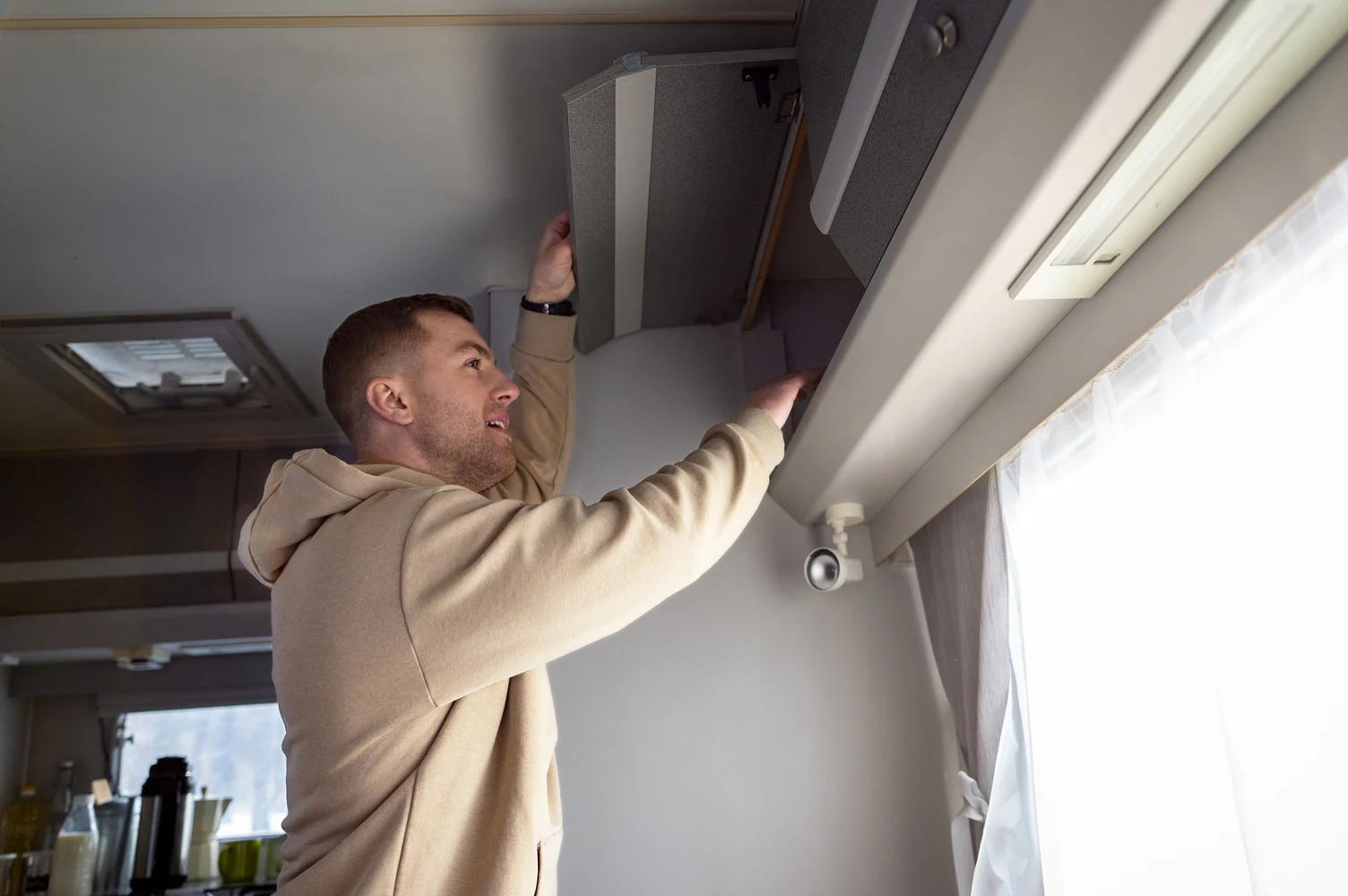
Homeowner inspecting dirty air filter in air conditioner to prevent HVAC damage and poor airflow

When your air conditioner runs without a filter, problems don’t happen overnight. Instead, they build up quietly over weeks or months. 

At first, everything seems normal. But inside the system, dust and debris start collecting where they shouldn’t. 

And the longer you run it this way, the worse it gets. So much so that even the smallest issues can turn into  bigger, expensive problems if ignored.

Overall, here’s what happens when AC has no filter:

1. Dust builds up inside the system

Without a filter, your AC has no protection against dust and debris floating in your home. And all of it gets pulled straight into the system and starts settling on internal parts like fans, ducts, and coils. 

Over time, this buildup makes the system dirty from the inside. As a result, airflow gets affected, cooling becomes uneven, and your AC has to work harder just to maintain the same temperature.

2. Evaporator coils get clogged

The evaporator coil is where your AC actually removes heat from the air. 

But when dust starts collecting on it, it forms a layer that blocks proper heat transfer. This makes the cooling process less effective and forces the system to run longer. 

In some cases, the coil can even freeze due to restricted airflow, which can lead to bigger issues and costly repairs if not fixed quickly.

3. Airflow gets restricted

As dust and debris continue to build up inside the system, airflow naturally starts to drop. This means cool air isn’t able to circulate properly throughout your home. 

You might notice some rooms staying warm while others feel fine. At the same time, your AC runs longer cycles trying to reach the set temperature, which increases energy usage and puts extra strain on the system.

4. Indoor air quality gets worse

Here’s something many homeowners don’t realize. 

Without a filter, your AC keeps recirculating dust, pollen, pet dander, and other particles instead of trapping them. So instead of cleaner air, you end up breathing in more pollutants. 

Although you need to test indoor air quality to know the extent of pollution, this is usually enough to make allergies worse, trigger respiratory issues, and create uncomfortable indoor environment.

5. Risk of water and moisture issues

Your AC also removes moisture from the air, and that water needs to drain properly. 

But when dirt and debris enter the system, they can clog the condensate drain line. This can cause water to back up inside the unit, leading to leaks, water damage, or even mold growth in some cases.
What starts as a small blockage can quickly turn into a bigger problem if not addressed.

In short, here’s what happens when your AC has no filter:

Problem areaWhat happens
Dust buildupInside AC gets dirty
CoilsMight get clogged or freeze
AirflowBecomes weak
Indoor airGets more polluted
Drain systemCan get blocked

How long can you run AC without filter?

You should run AC without filter as little as possible.

You might be able to run your AC without a filter for a few hours in an emergency, and nothing major will happen right away. 

But here’s the thing: Dust and debris start entering the system from the moment you turn it on.

Within a day or two, that dirt begins settling on important parts like coils and the blower. And after a few days, you may notice weaker airflow and reduced cooling. 

Also, if it goes on for weeks, it can lead to serious damage and expensive repairs.

Here’s a simple way to understand it:

Time without filterWhat can happen
Few hoursMinor dust buildup starts
1-2 daysDirt begins collecting on coils and blower
Several daysReduced efficiency and airflow issues
WeeksSerious damage and costly repairs

So yes, your AC can run without a filter. But the longer it runs, the bigger the risk becomes.

Is it bad to run AC without filter?

Yes, running air conditioner without a filter is a bad idea. Here’s why: 

When you run your AC without a filter, it might still cool your home, but the system slowly starts to suffer in the background. Dirt and dust go straight inside and begin building up on important parts. 

Over time, this puts extra pressure on the entire system. As a result, your AC’s lifespan gets shorter, your energy bills start going up, and the system may break down more often than usual.

What starts as a small shortcut can turn into frequent repair costs.

In some cases, dirt buildup even damages major parts like the compressor or blower motor, and those are expensive to fix or replace.

Why is your AC filter so important?
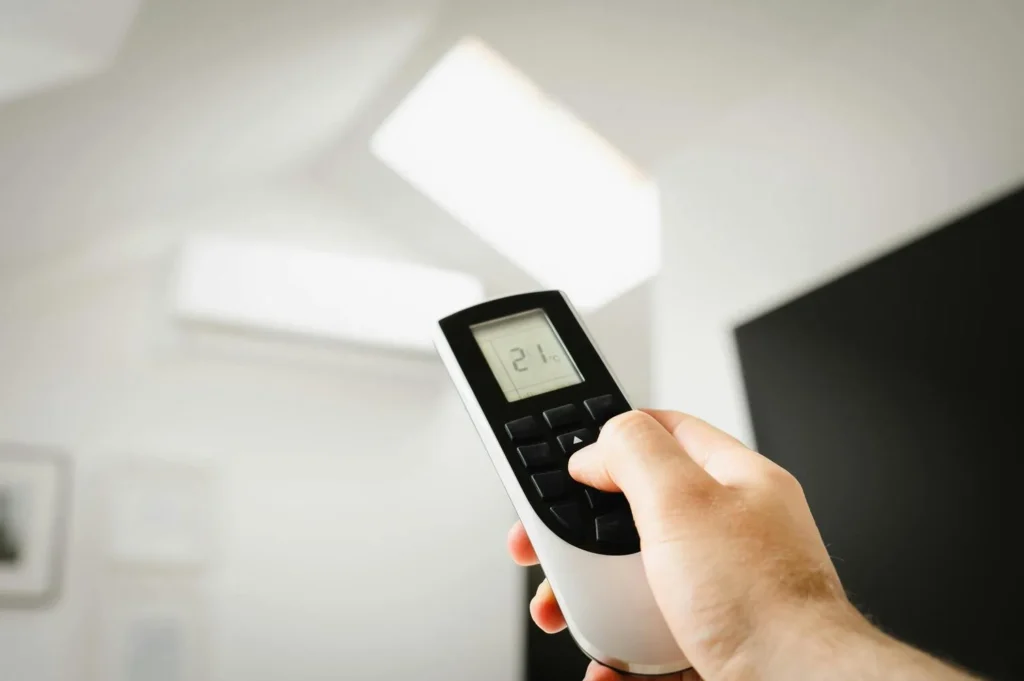
Person turning on air conditioner with remote highlighting risks of running AC without filter

A lot of people think the AC filter is only there to improve air quality, but that’s not the full story. The filter actually plays a much bigger role in keeping your system healthy and efficient. 

Without it, dust builds up quickly inside the unit, affecting performance and causing long-term issues. 

Here are two most important reasons why an air filter is so critical: 

1. To protect the system

The filter’s main job is to protect your AC from dust and debris. It stops particles from reaching sensitive parts like the evaporator coils, blower motor, and ductwork. 

Without this protection, dirt builds up inside the system, forcing it to work harder. Over time, this can reduce efficiency, increase wear and tear, and even lead to expensive repairs that could have been easily avoided.

2. To improve indoor air quality

Another important job of the filter is keeping your indoor air clean. It traps common pollutants like dust, pollen, pet dander, and other tiny particles floating in the air. 

Without a filter, all of these keep circulating inside your home every time the AC runs. This can make the air feel stuffy and may even trigger allergies or breathing discomfort for some people.

In short, here’s why AC filter so important: 

FunctionWhat it does
Protect systemBlocks dust from entering
Protect coilsPrevents clogging
Improve airTraps dust and allergens
Reduce strainHelps AC run smoothly

Can I run my AC without a filter for a short time?

In some situations, you might feel like you don’t really have a choice but to run AC without filter. Maybe your filter is being cleaned or replaced, you forgot to buy a new one, or it’s extremely hot outside and you need cooling right away. 

In these cases, running your AC without a filter for a short time is usually okay, especially for a few hours.

But you shouldn’t stretch it too long. The longer your AC runs without a filter, the more dust starts entering the system and building up inside.

Clean-Air-Technologies's Logo
Angies Super Service
Accredited Business
Aeroseal

Schedule Your Free Estimate Today

Contact us to improve your indoor air
quality with our expert cleaning services in NJ.

Final words

I am sure that, by now, you know whether or not can you run air conditioner without filter, along with the risks associated with running AC without filter. 

Technically speaking, yes, you can run AC without filter. But honestly, it is something you should avoid as much as possible.

At first, it might not seem like a big deal. The AC will still turn on and cool your room. 

But over time, running it without a filter can lead to poor cooling, dirt building up inside the system, higher electricity bills, and even expensive repairs.

Got more questions or want to get HVAC air filter replacement or air duct cleaning in NJ?

You can get in touch with us!

At Clean Air Technologies, we are NADCA-certified air duct cleaning and air filter replacement professionals in New Jersey. 

We replace your air filters with high-quality MERV-rated ones. Also, we offer recurring air filter replacement plans so that you stay on top of routine filter replacement. 

FAQs about running AC without filter

Can you run your air conditioner without a filter?

Yes, you technically can run your air conditioner without a filter, but it’s not a good idea at all. The filter is there to protect your system from dust and debris. 

Without it, all those particles go straight inside the unit. Over time, this can reduce efficiency, affect cooling, and increase the chances of wear and tear on important components.

How long can I run my AC without a filter?

You can run your AC without a filter for a few hours in an emergency, but that’s really the limit.

Even in a short time, dust starts entering the system and settling inside. And if you keep it running for days or longer, it can lead to buildup, poor airflow, and eventually expensive repairs that could have been easily avoided.

What happens when AC has no filter?

When your AC runs without a filter, dust and dirt freely enter the system. This leads to buildup on coils, restricted airflow, and reduced cooling performance. 

In the long-run, the system has to work harder to cool your home. This not only increases energy usage but can also make your indoor air feel less clean and comfortable.

Is it bad to run AC without filter?

Yes, it is bad for your system. Running your AC without a filter may seem harmless at first, but it slowly causes damage. 

Dust buildup reduces efficiency, increases energy bills, and puts extra strain on the unit. Also, it can affect indoor air quality, making your home feel less fresh and more polluted over time.

Can running AC without filter damage it permanently?

Yes, if it runs without a filter for too long, it can cause permanent damage. Dust and debris can clog important parts like coils and compressors. 

When these components get damaged, repairs can be expensive, and in some cases, parts might need replacement. That’s why even short-term use without a filter should be avoided whenever possible.
What Does HVAC Maintenance Include? Everything Homeowners Need To Know

If you’ve ever scheduled an HVAC tune-up, or even thought about it, you’ve probably asked one question: What does HVAC maintenance include?

And this is an important question.

That’s because when you hire a professional or sign up for an annual HVAC maintenance plan, you want to know exactly what you’re paying for.

After all, HVAC maintenance isn’t just a quick inspection. It is a detailed process that involves checking, cleaning, testing, and fine-tuning different parts of your system to keep it running efficiently.

In this blog, I’ll break down all things HVAC maintenance so you know exactly what to expect. You’ll learn:

  • What is HVAC maintenance 
  • What is done during HVAC maintenance visits
  • How often you should service your system
  • And why is HVAC maintenance important

So, let’s get started.

Key takeaways

  • HVAC maintenance includes inspection, cleaning, testing, and minor repairs of your system.
  • The most important tasks include filter replacement, coil cleaning, and checking refrigerant levels.
  • Annual HVAC maintenance helps prevent breakdowns and improves efficiency.
  • Most systems should be serviced once or twice a year depending on usage.
  • Some basic HVAC maintenance tasks can be done by homeowners.
  • Professional servicing is still necessary for deeper inspection and safety checks.

What is HVAC maintenance?

HVAC technician performing system inspection as part of routine HVAC maintenance service

For starters, HVAC maintenance is a routine inspection and servicing of your heating and cooling system to make sure everything is working properly.

In most cases, it includes:

  • Inspecting system components
  • Cleaning internal and external parts
  • Testing performance
  • Fixing minor issues

Think of it like a routine check-up for an HVAC system.

Your HVAC system needs regular care to maintain performance and efficiency. And to that end, maintenance helps catch small problems early before they become costly repairs.

Clean-Air-Technologies's Logo
Angies Super Service
Accredited Business
Aeroseal

Schedule Your Free Estimate Today

Contact us to improve your indoor air
quality with our expert cleaning services in NJ.

What does HVAC maintenance include?

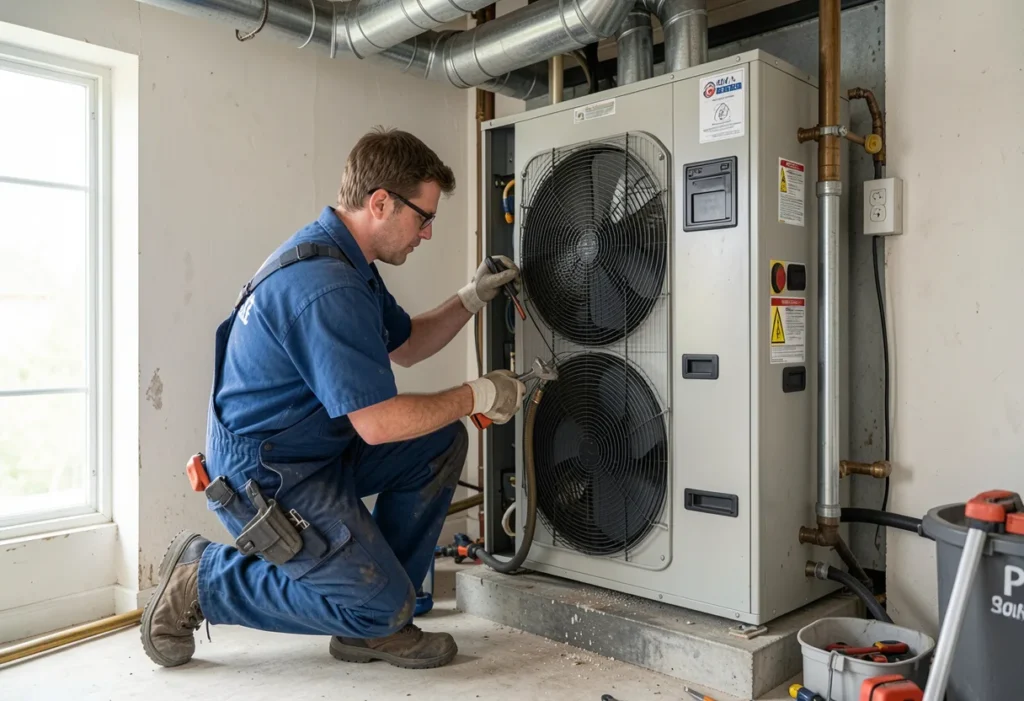
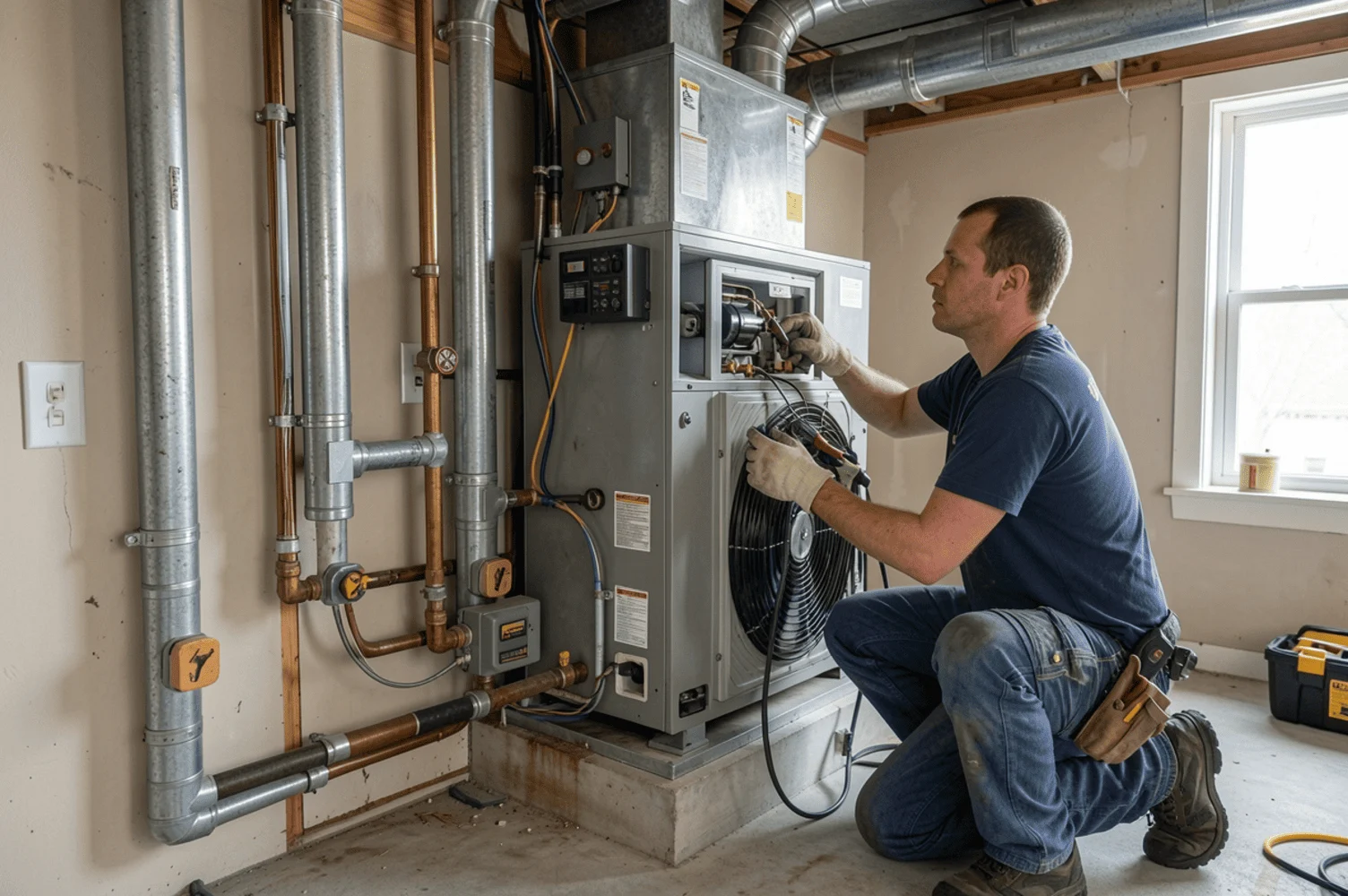
HVAC technician cleaning condenser coils and fan during routine HVAC maintenance

Now let’s get into the main question, i.e., what is done during HVAC maintenance. 

To begin with, HVAC maintenance isn’t just a quick check. It is a step-by-step process where technicians inspect, clean, and test different parts of your system to make sure everything is working the way it should.

And although the exact checklist can vary slightly depending on the system and company, most professional HVAC maintenance visits include the following:

1. Air filter inspection and replacement

This is one of the most important parts of HVAC maintenance.

You see, your air filter is the first line of defense against dust, dirt, and airborne particles. But over time, it gets clogged, especially if you have pets or live in a dusty area. 

And when that happens, airflow gets restricted, and your system has to work much harder than it should.

So, during maintenance, technicians inspect the filter and clean it. Also, they might recommend an air filter replacement if needed. 

2. Cleaning evaporator and condenser coils

Your HVAC system relies heavily on coils to transfer heat, and they clean surfaces to work efficiently.

However, both the indoor evaporator coil and outdoor condenser coil collect dust, dirt, and debris over time. 

And when that buildup increases, it blocks proper heat transfer. This means your system struggles to cool or heat your home, even if it’s running constantly.

That’s why during HVAC system cleaning, technicians carefully clean both coils to restore efficiency and reduce unnecessary strain on the system.

3. Checking refrigerant levels

Refrigerant is what actually makes your air conditioner cool the air.

So if the refrigerant level is low, your AC won’t be able to remove heat effectively. 

You might notice signs like the air isn’t as cool as it should be, or the system runs longer without reaching the desired temperature.

While servicing HVAC system, technicians measure refrigerant levels, check for leaks, and recharge if needed. 

4. Inspecting and cleaning the condensate drain line

When your AC runs, it removes moisture from the air. 

But that moisture needs somewhere to go. And that’s where the condensate drain line comes in.

Over time, this line can get clogged with dirt, algae, or debris. And when that happens, water can back up into the system, leading to leaks, mold growth, or even system shutdown.

So during maintenance, technicians clean and flush the drain line to keep water flowing properly and prevent moisture-related problems.

5. Thermostat testing and calibration

Your thermostat is what tells your HVAC system when to turn on and off.

But if it’s not working correctly, your system won’t maintain the temperature you set. Sometimes it’s a simple issue like incorrect calibration or weak batteries, but it can still affect comfort.

You might even see AUX heat on thermostat even if the HVAC is working just fine. 

Technicians check the thermostat settings, verify calibration, and replace batteries if needed. Even small adjustments here can make a noticeable difference in how your system performs.

6. Electrical component inspection

Your HVAC system depends on several electrical components to function properly.

But with time, connections can loosen, wires can wear out, and components like capacitors or relays can weaken. 

And if these issues go unnoticed, they can lead to system failure or even safety risks.

That’s why technicians inspect all electrical connections, tighten loose parts, and test key components. This step helps ensure your system runs safely and reliably.

7. Lubricating moving parts

There are several moving parts inside your HVAC system, like motors and fans that run every time the system is on.

Without proper lubrication, these parts can create friction, which leads to wear and tear over time. And eventually, that can cause components to fail sooner than expected.

So, you should expect your technician to lubricate bearings and moving parts to reduce friction. This simple step helps improve efficiency and extend the life of your system.

8. Inspecting ductwork and airflow

Airflow is one of the most important factors in how well your HVAC system performs.

Even if your system is working perfectly, damaged or leaking ducts can prevent air from reaching your rooms properly. This can lead to uneven temperatures and higher energy bills.

This is why professionals inspect ductwork for leaks or blockages and check airflow levels. 

9. Checking blower motor and fan

The blower motor is responsible for pushing air through your duct system and into your home.

And if it’s not working properly, you’ll notice weak airflow or inconsistent temperatures. Also, in many cases, dirt buildup on fan blades can reduce performance.

Your technician should inspect the blower motor, clean the fan, and test airflow output. This is essential to ensure your system is circulating air properly throughout your home.

10. Safety checks (especially for heating systems)

When it comes to heating systems, safety checks are super important.

Components like the heat exchanger and gas connections need to be inspected carefully to make sure everything is operating safely. 

Even a small issue here can lead to serious risks like gas leaks or carbon monoxide exposure.

In short, here’s what does HVAC service include:

TaskWhat It Involves
Filter replacementImproves airflow and air quality
Coil cleaningRestores heat transfer efficiency
Refrigerant checkEnsures proper cooling
Drain line cleaningPrevents water leaks and mold
Thermostat testingMaintains accurate temperature
Electrical inspectionImproves safety and performance
LubricationReduces wear and tear
Duct inspectionImproves airflow
Blower checkEnsures proper air circulation
Safety checksPrevents hazards

What does annual HVAC maintenance include?

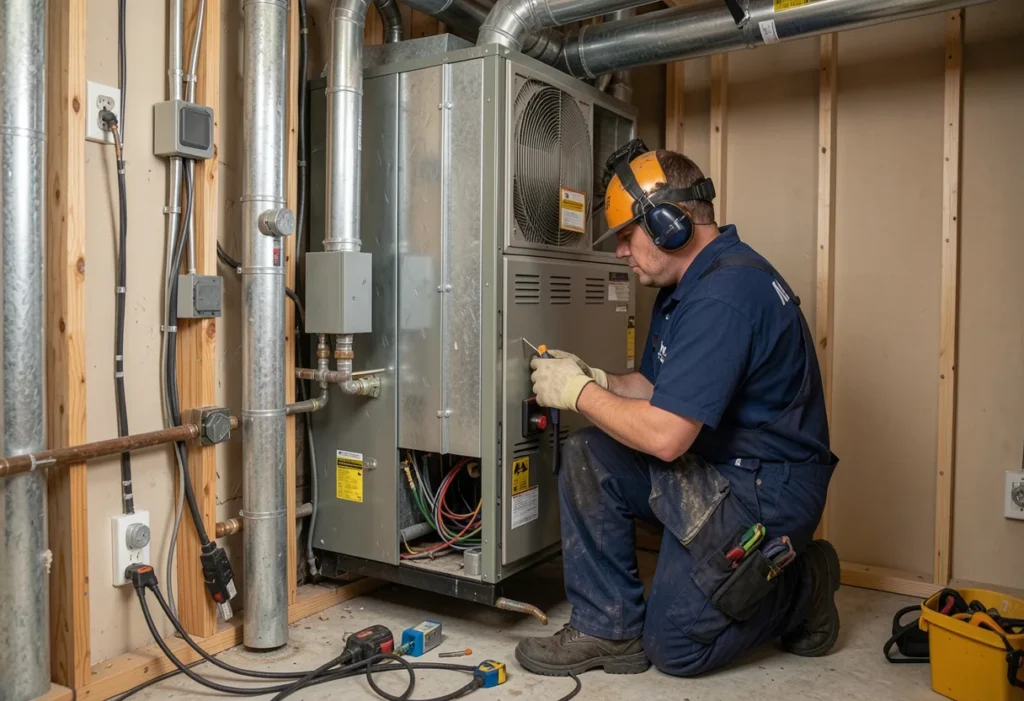
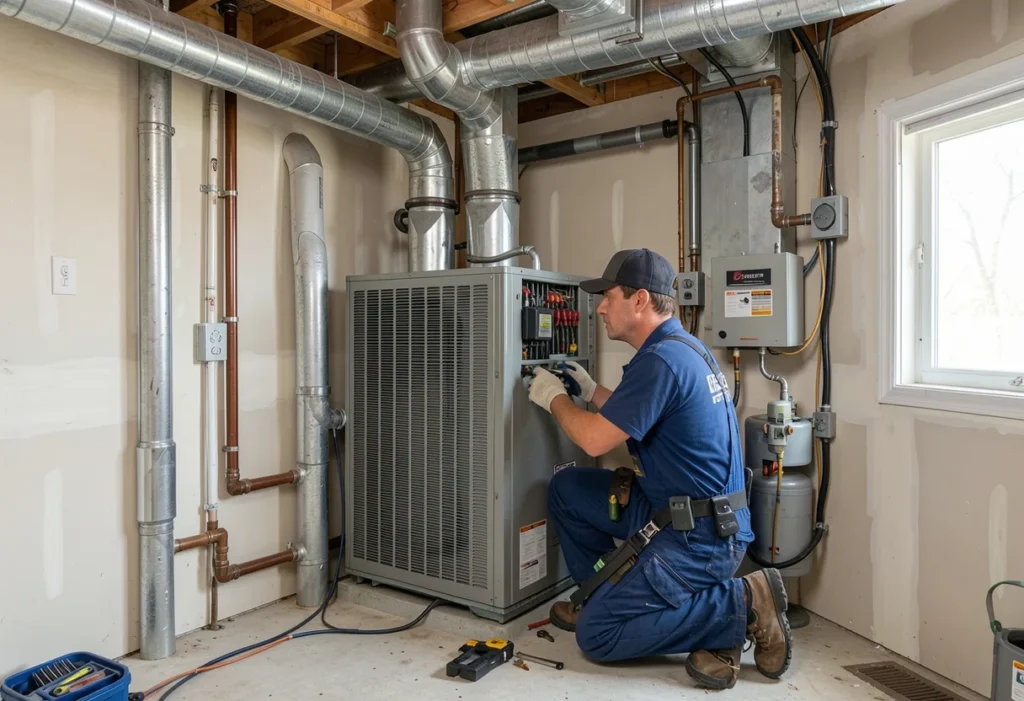
HVAC technician inspecting electrical components as part of HVAC system maintenance

Annual HVAC maintenance is all about getting your system ready before the heavy usage seasons begin.

Your HVAC system works the hardest during extreme weather conditions. So instead of waiting for something to go wrong, technicians service it ahead of time to make sure everything runs smoothly.

In most homes, this means two maintenance visits a year, including:

  • A spring service focused on your AC, to make sure it cools properly during summer. 
  • A fall service focused on your heating system, to check safety and performance before winter.

This helps keep your system reliable, efficient, and ready when you need it most.

How often should HVAC system be serviced?

The answer to this depends on how your system is used throughout the year. 

You see, HVAC systems go through the most wear during peak seasons. So timing your maintenance before that really makes a difference.

Here’s how I suggest you schedule HVAC maintenance:

  • If you have a cooling-only system, service it once a year in spring
  • If you have a heating-only system, service it once a year in fall
  • If your system handles both heating and cooling, it’s best to service it twice a year

Why is HVAC maintenance so important?

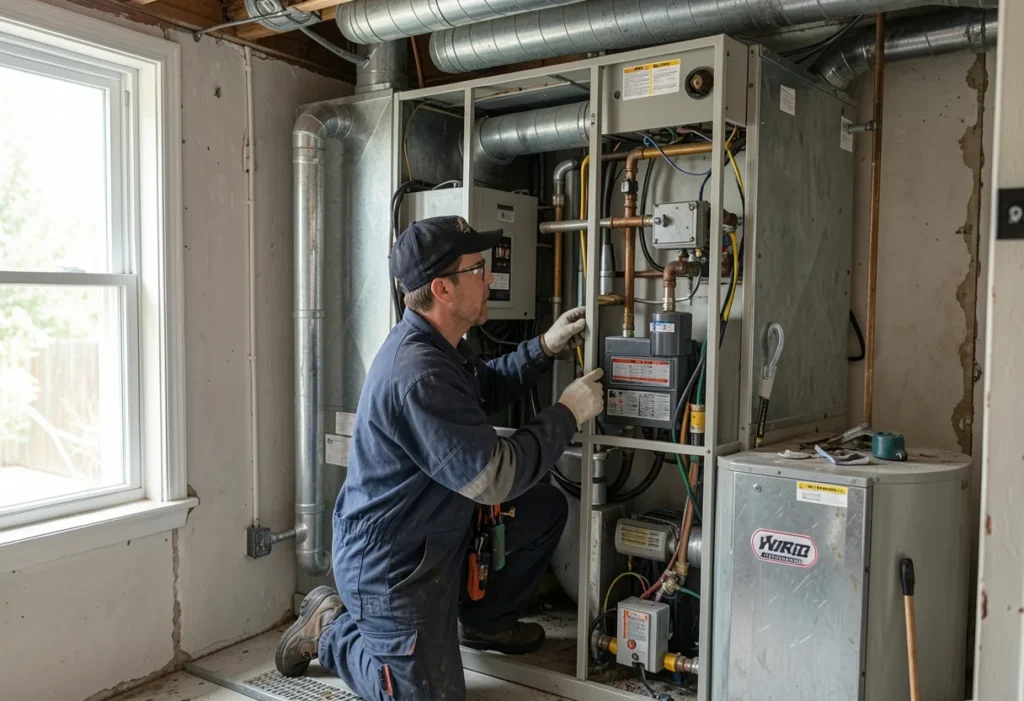
HVAC technician inspecting furnace system during annual HVAC maintenance service

You might be thinking, is HVAC maintenance really worth it?

The short answer is yes, absolutely.

Your HVAC system runs almost every day, and over time, small issues start building up. 

Now, regular maintenance helps catch these issues early before they turn into bigger problems. This helps keep your system efficient, reliable, and running the way it should, especially when you need it the most.

Overall, here’s why servicing HVAC system is important:

1. It prevents expensive repairs

Small issues like loose parts, clogged filters, or minor leaks can turn into major repairs if ignored. 

Regular maintenance helps catch these problems early, before they get worse. .

2. It improves energy efficiency

When your HVAC system is clean and well-maintained, it doesn’t have to work as hard to heat or cool your home. That means it uses less energy to do the same job. 

Over time, this can make a noticeable difference in your monthly energy bills.

3. It extends system lifespan

HVAC systems are a big investment, so you want them to last as long as possible. 

Maintenance reduces wear and tear on important components. This helps your system run smoothly for years and delays the need for an expensive replacement.

4. It improves indoor air quality

Your HVAC system plays a big role in the air you breathe indoors. 

Dirty air filters and other HVAC components can circulate dust, allergens, and other pollutants.

Maintenance keeps everything clean, which helps improve the overall air quality inside your home.

5. It keeps your home comfortable

At the end of the day, your HVAC system is all about comfort. And to that end, maintenance ensures consistent temperatures, proper airflow, and reliable performance. 

So whether it’s hot or cold outside, your home stays comfortable without unexpected issues.

Clean-Air-Technologies's Logo
Angies Super Service
Accredited Business
Aeroseal

Schedule Your Free Estimate Today

Contact us to improve your indoor air
quality with our expert cleaning services in NJ.

Final words

By now, I am sure you have a good idea about what does HVAC maintenance include. 

To put it simply, HVAC maintenance is a complete check-up of your system that ensures everything is clean, safe, and working efficiently.

And in most homes, this includes:

  • Cleaning components
  • Checking refrigerant and airflow
  • Inspecting electrical and safety systems
  • Replacing filters
  • Testing performance

Regular maintenance can prevent most HVAC problems before they even start.

Got more questions or want to schedule a professional HVAC or air duct cleaning in NJ?

You can get in touch with us!

At Clean Air Technologies, we are seasoned air duct and HVAC system cleaning experts with 3+ decades of hands-on experience. Our technicians are NADCA-certified and we complete every job with care and precision. 

FAQs about HVAC maintenance

What does HVAC maintenance include?

HVAC maintenance includes inspecting, cleaning, and testing system components like filters, coils, refrigerant levels, electrical connections, and airflow to ensure efficient operation.

What is done during HVAC maintenance?

During HVAC maintenance, technicians clean components, check refrigerant, inspect electrical parts, test thermostat settings, and ensure the system is running properly.

How often should HVAC system be serviced?

Most HVAC systems should be serviced once or twice a year, depending on whether they are used for heating, cooling, or both.

What does HVAC service include for AC units?

AC service includes cleaning coils, checking refrigerant levels, inspecting the compressor, clearing drain lines, and testing cooling performance.

Can I do HVAC maintenance myself?

You can handle basic tasks like replacing filters and cleaning around the unit. However, professional servicing is needed for deeper inspection and repairs.

How Often Should You Change Your Air Filter? A Complete Guide For New Jersey Homes

As someone who lives in New Jersey, you know how essential your HVAC system is for staying comfortable through hot summers and cold winters.

But here’s the catch: Your air filter plays a big role in keeping your air clean and your HVAC running smoothly. And you need to change it regularly to maintain good air quality and avoid higher energy bills or system damage.

But how often should you change your air filter? 

This is one question I am often asked as an HVAC cleaning professional

Now, although the exact frequency depends on things like the season, pets, and air quality in your area, you should change filters at-lease every 60-90 days. 

In this blog, I will help you figure out exactly when and how often to change your filter based on your home’s needs. 

So, let’s get started. 

Key takeaways 

  • Check your air filter every month.
  • Change the filter every 60-90 days on an average.
  • Replace sooner (every 20-45 days) if you have pets, allergies, asthma, or heavy HVAC use.
  • If you use higher-efficiency filters (MERV 11-13), check more frequently, as they clog faster.
  • During dusty seasons, construction nearby, or heavy pollen (spring/fall), you might need to change it more often.
  • If your air feels dusty, your HVAC is running longer than usual, or energy bills spike, replace the filter immediately.

How often should you change your air filter exactly? 

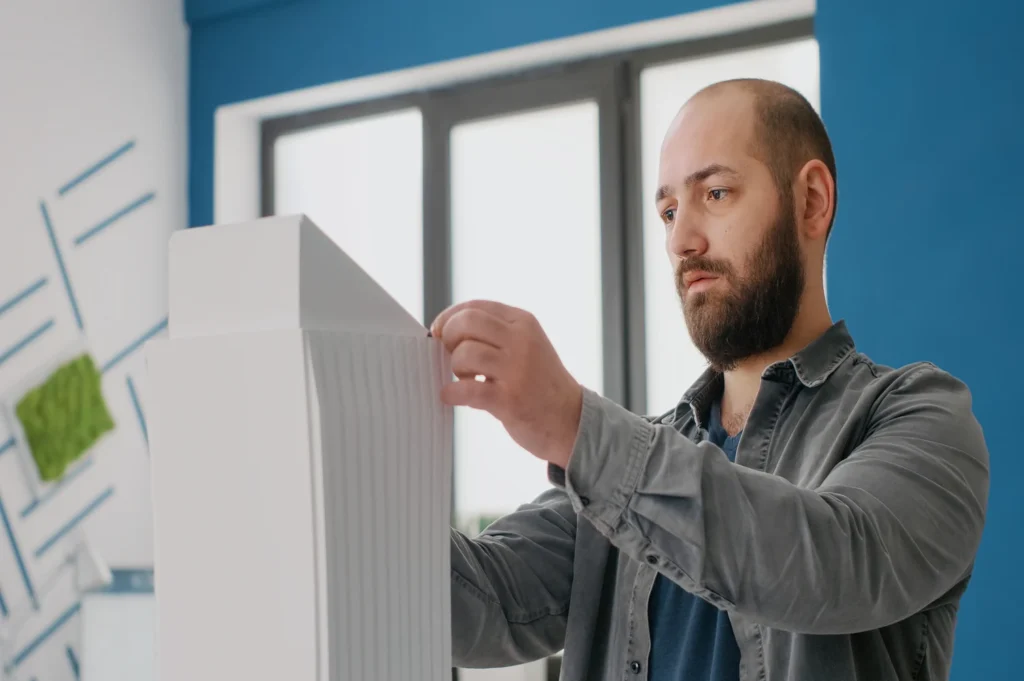
Man inspecting a pleated HVAC air filter before replacing it at home.

For starters, most experts, including us at Clean Air Technologies, suggest changing your filter every 30 to 90 days.

But the exact AC air filter replacement frequency depends on a few things like the type of filter you use, how often your HVAC runs, and your home itself.

Here’s a quick breakdown:

1. Replace filter every 30-60 days if you use basic fiberglass or disposable filters

Fiberglass or disposable filters are the most affordable filters. But they also fill up with dust quickly. 

So, you’ll likely need to replace them every 30-60 days, especially if you have pets, dust, or if your HVAC runs a lot. 

Also, if you start to notice weak airflow or more dust in the air, it’s time to swap it out.

2. Replace filter every 60-90 days if you use pleated or mid-grade filters (MERV 8-11)

Pleated or mid-grade filters with MERV 8-11 rating last a bit longer and trap more particles like dust, pollen, and pet hair. 

You can usually go 60-90 days between changes, but keep an eye on them. 

But, if you notice your home getting dustier or the air feels stuffy, it might be time to replace it.

3. Replace filter every 45-60 days if you use high-efficiency filters (MERV 12-16 or HEPA)

MERV 12-16 or HEPA filters are great for homes with allergies, asthma, or lots of pollution. They trap tiny particles like mold spores and smoke.

But they also clog up faster. So, if you have one of these filters, plan to replace it every 45-60 days, or more often if you have heavy dust or pet dander.

Pro tip: Check your filter every month

No matter which type of filter you have, it’s a good idea to check it every month. 

To do this, simply remove it and hold it up to the light. If you can’t see light through it, it’s time for a change. 

Even if it looks okay, if your HVAC system is running longer than usual or the air feels stuffy, it might be worth replacing the filter early.

In short: 

Filter TypeWhat It MeansReplacement Frequency
Fiberglass / DisposableBasic, cheap filters that catch large dustEvery 30-60 days
Pleated / Mid-Grade (MERV 8-11)Better at catching dust, pollen, and pet hairEvery 60-90 days
High-Efficiency (MERV 12-16 / HEPA)Best for allergies, asthma, tiny particlesEvery 45-60 days (sometimes sooner)
Any Filter TypeCheck monthly using the light test
Clean-Air-Technologies's Logo
Angies Super Service
Accredited Business
Aeroseal

Schedule Your Free Estimate Today

Contact us to improve your indoor air
quality with our expert cleaning services in NJ.

What factors decide how often to replace AC filter in New Jersey? 

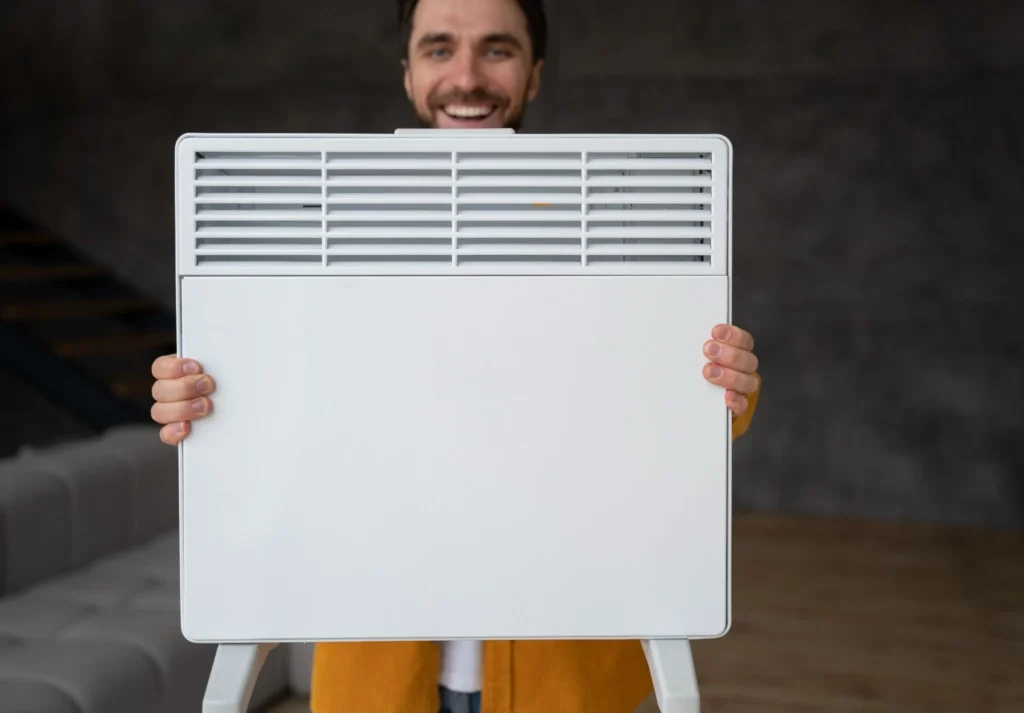
Person holding a clean HVAC air filter unit, showing the front panel before installation.

There are several factors that speed up the process of your air filter clogging. Meaning you’ll need to replace it more often than the standard 60-90 days. 

Let’s have a look at these key factors that determine how quickly your filter gets dirty:

1. Pets hair and dander

If you’re a pet owner, your filter is working overtime. 

How? 

Pets shed fur and dander, and they bring in dirt and dust from outside, all of which get trapped in your air filter. 

This means the filter can clog up much faster. 

So, for pet owners, it’s generally recommended to change the filter every 45-60 days. Also, in some cases, you might need to replace it as often as every 30-45 days to keep things clean and allergy-free. 

2. Household size and activity

The more people in your home, the more dust, skin flakes, and other airborne particles your HVAC system has to deal with. 

For instance, larger households, or homes with active kids and lots of cooking or movement, tend to accumulate more dirt. 

So, if you have a busy household, you might want to plan on changing your filter more frequently, likely every 45-60 days. 

Also, if you’ve got a household full of kids or frequent gatherings, you might need a quicker change to maintain clean air.

3. Air quality and outdoor conditions

New Jersey’s air can be challenging, especially during certain seasons. Plus, construction dust, pollen, and pollution can all impact your filter’s life. 

Now, if your home is near a construction zone or major roads, or you’re dealing with pollen-heavy seasons, your filter may get clogged quicker than usual. 

In these cases, you’ll likely need to change your filter more often, around every 30-60 days. 

Also, if you live in a particularly polluted or dusty area, it’s a good idea to check the filter more regularly, especially in the spring and fall.

4. Allergies, asthma, or health sensitivities 

If anyone in your household has allergies, asthma, or other respiratory conditions, maintaining clean air becomes even more important. 

Why? 

A clogged filter won’t be able to trap allergens. Meaning dust, pollen, and other irritants will recirculate through your home. 

In these cases, changing your air filter every 20-45 days is a good practice to help reduce the buildup of allergens and maintain better air quality.

5. Heavy HVAC use 

In New Jersey, your HVAC system likely gets a lot of use during both the summer and winter months. 

In fact, whether you’re running the AC in the heat or cranking up the heat during a cold spell, your system is working harder. 

The more your HVAC system is running, the more air it cycles, and the quicker the filter can get clogged with dust and particles. 

So, during high-use seasons, you might need to change your filter more frequently, around every 30-45 days, or at least check it monthly.

6. Filter type, material and thickness

A basic 1-inch fiberglass filter tends to get clogged much faster than pleated filters, which have more surface area and last longer. 

However, even pleated filters need regular checks. 

For instance, if you’re using higher-efficiency filters (MERV 11-13), they trap even more particles. But they clog faster and reduce airflow if your HVAC system isn’t designed for them. 

So, if you have a higher-MERV filter, be prepared to change it more often to keep the airflow strong and your HVAC system running smoothly.

In short:

FactorWhy It MattersHow Often to Replace
PetsPets shed hair and dander that clog filters fastEvery 30-60 days
Large or active householdMore people = more dust, movement, and cooking particlesEvery 45-60 days
Air quality outdoorsNJ pollen, road traffic, construction dust clog filtersEvery 30-60 days
Allergies/AsthmaNeed cleaner air and fewer allergensEvery 20-45 days
Heavy HVAC useMore heating/cooling cycles = faster cloggingEvery 30-45 days
Filter type (MERV rating)Higher-MERV filters trap more particlesCheck monthly; replace sooner as needed

Still not sure when to change air filter? Here’s an air filter replacement schedule you can use:

Household / ConditionsFilter Type / NotesSuggested Frequency
Single person, no pets, light use1″ basic or pleatedCheck monthly, replace every 90 days
Small family (2-4 people), no pets, moderate usePleated or mid-gradeReplace every 60-90 days
Household with 1-2 pets, moderate usePleated or MERV 8-11Replace every 45-60 days
Household with pets and people with allergies/asthma Pleated or MERV 11-13Replace every 30-45 days
Large, active household / heavy HVAC usePleated or high-eff filtersCheck monthly, replace every 30-45 days
Periods of heavy use (summer heat, winter cold, wildfire smoke)Inspect monthly, expect 30-day replacements

Pro tip: Mark the date on your filter when you install it. This makes tracking replacements much easier.

Bonus: You can check your air filter through a light test

Want to know if it’s time for a change? 

Skip guessing and use the light test. 

Here’s how it works:

  1. Remove the filter from your HVAC system.
  2. Hold it up to a bright light or sunlight.
  3. If you can’t see light coming through, it’s time to replace the filter. 

You might also want to read: How To Clean Out Your Dryer Vent?

Clean-Air-Technologies's Logo
Angies Super Service
Accredited Business
Aeroseal

Schedule Your Free Estimate Today

Contact us to improve your indoor air
quality with our expert cleaning services in NJ.

Final thoughts

By now, I am sure you know how often should you change your air filter in New Jersey. Also, you know what factors decide the intensity of filter change in your home.

You see, changing your air filter is one of the simplest, most cost-effective ways to improve both your home’s air quality and the efficiency of your HVAC system.

And for New Jersey homeowners dealing with humidity, dust, pets, and extreme seasonal temperatures, it’s even more important.

After all, not only will this ensure cleaner air, but it will also save you money on energy bills and extend the life of your HVAC system.

Got more questions or want a peace of mind with an affordable air filter replacement plan?

You can get in touch with us!

At Clean Air Technologies, we can help you choose the right filter for your home along with recurrent replacement plans. 

Simply put, we’ve got your air filter maintenance and upkeep needs covered on a budget. 

FAQs about how often to replace AC filter

Is replacing my filter every 90 days enough?

It could be, especially if your home is small, you have few people living there, and no pets.

However, it’s always a good idea to check your filter monthly. If you notice weak airflow, more dust around the house, or your HVAC system is running longer than usual, it’s time to change it sooner.

I have pets. How often should I change the filter?

Pets are wonderful, but they can really fill up your air filter with hair and dander. 

If you have pets, aim to replace your filter every 45–60 days. 

If you have multiple pets, heavy shedding, or allergy concerns, consider changing it more often, every 30-45 days. It helps keep the air cleaner and your HVAC system working efficiently.

Are high-efficiency (MERV 13+) filters better?

High-efficiency filters rated MERV 13 or more are great for catching tiny particles like dust, pollen, and even bacteria, making them excellent for allergy sufferers. 

But, they do clog up faster and can restrict airflow if your HVAC system isn’t built to handle them. 

So, while they offer better air quality, you might need to change them more often, like every 45-60 days, depending on your home’s air quality and HVAC usage.

How can I tell when my air filter is really clogged?

If your filter looks dirty and you can’t see light through it when you hold it up to the sun, it’s probably time to change it. 

Also, if you notice your HVAC system is running longer than usual or your vents are blowing weak air, those are signs that the filter may be clogged. 

Always check it monthly to avoid any surprises!

What happens if I don’t change my air filter?

Neglecting to change your air filter can lead to a few problems. 

First, it reduces airflow, making your HVAC system work harder and use more energy, which can drive up your bills. 

Over time, it can even cause the system to overheat or break down. 

Plus, dirty filters mean dust, allergens, and other particles stay in your air, which can make your indoor air quality worse.

Can I clean and reuse my disposable filter?

It’s best not to clean disposable filters as they’re not designed to be reused. Cleaning them can damage the filter material and reduce its effectiveness. 

It’s always better to replace them with a fresh one to ensure your system is working efficiently and your air stays clean.