Clean-Air-Technologies's logo

What’s The Difference Between MERV 8 Vs MERV 10 Air Filters?

As homeowners, we know we are supposed to change their air filter every few months. This part is pretty easy.

But how do you choose the right air filter? 

This is where things get confusing.

You’ll come across MERV 8 and MERV 10 air filters, the two most common HVAC air filters for homes. Both clean your air and are safe for your HVAC system. 

In fact, they look almost identical at first look. 

But the thing is, that small number difference can change how clean your indoor air is, how hard your HVAC system works, and how often you’ll need air filter replacement

In this blog, I will explain all the differences between MERV 8 vs MERV 10 air filters that you need to know as a homeowner. 

By the end, you’ll know exactly which filter makes the most sense for your home.

So, let’s get started. 

Key takeaways 

  • MERV 8 is the standard filter for most homes.
  • MERV 10 offers slightly better filtration for allergies and dust.
  • Both are safe for most residential HVAC systems.
  • MERV 10 captures smaller particles than MERV 8.
  • MERV 10 may clog a little faster than MERV 8.
  • Airflow impact between MERV 8 and 10 is usually very small.
  • MERV 10 is a good upgrade if you want cleaner air without high resistance.

What is a MERV 8 air filter?
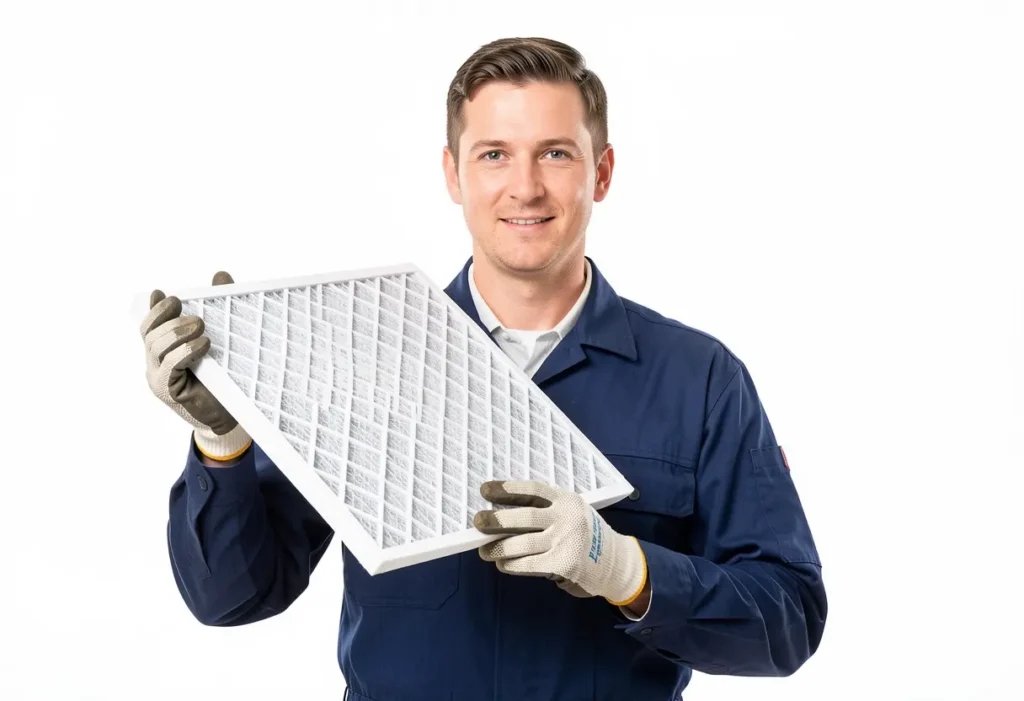
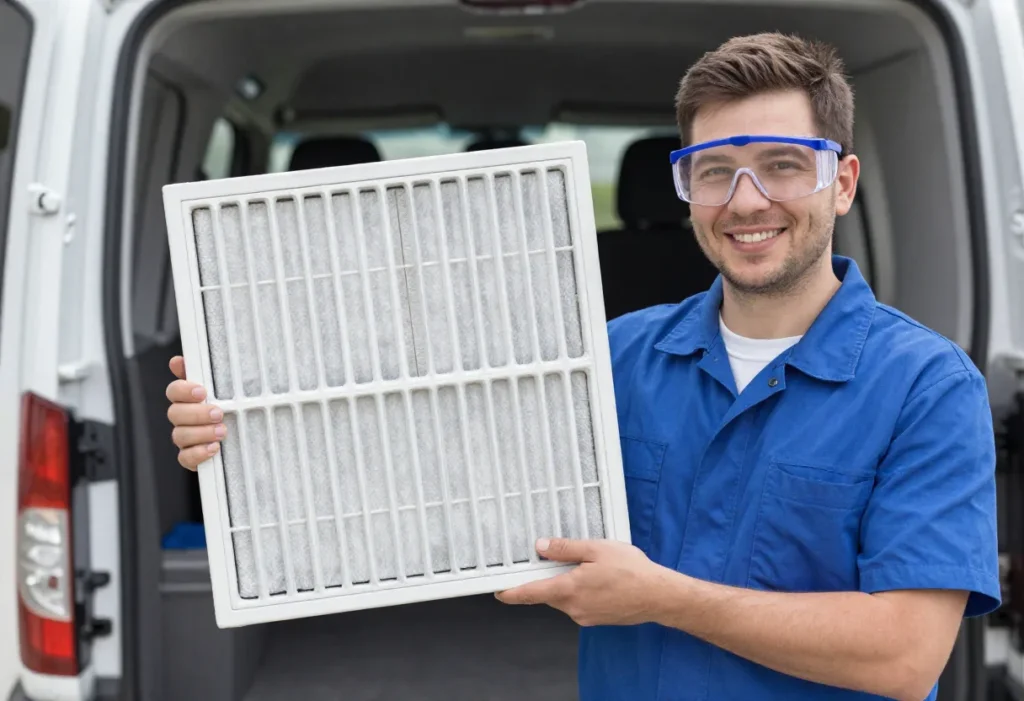
HVAC technician holding a residential air filter used in home heating and cooling systems

A MERV 8 filter is the standard air filter you’ll find in most homes. In fact, many residential HVAC systems are designed to work with this exact level of filtration. 

So how does this filter work?

A MERV 8 filter captures common household particles like dust, pollen, lint, dust mites, and pet dander. These are everyday pollutants floating around your home. 

It won’t catch the tiniest microscopic particles though. But for most households, it does a very solid job.

Think of the MERV 8 air filter as dependable and practical. It keeps your air cleaner without putting extra pressure on your system and offers the right balance between air quality, airflow, and affordability.

Clean-Air-Technologies's Logo
Angies Super Service
Accredited Business
Aeroseal

Schedule Your Free Estimate Today

Contact us to improve your indoor air
quality with our expert cleaning services in NJ.

Why do homeowners like MERV 8 air filter? 

The reason why MERV 8 air filter is so popular among households is that it works well with just about any HVAC system. 

It allows strong airflow and your HVAC system doesn’t have to struggle to push air through it. This helps maintain steady comfort throughout the home. 

Also, it puts very little strain on the blower motor, which is especially important for older systems.

Plus, it is widely available and budget-friendly. A MERV 8 filter costs about $5 per filter, you can find it almost anywhere, and use it for one to three months depending on the dust levels.

So, for homeowners who simply want a reliable air filtration, MERV 8 is the easiest and safest choice.

What is a MERV 10 air filter?

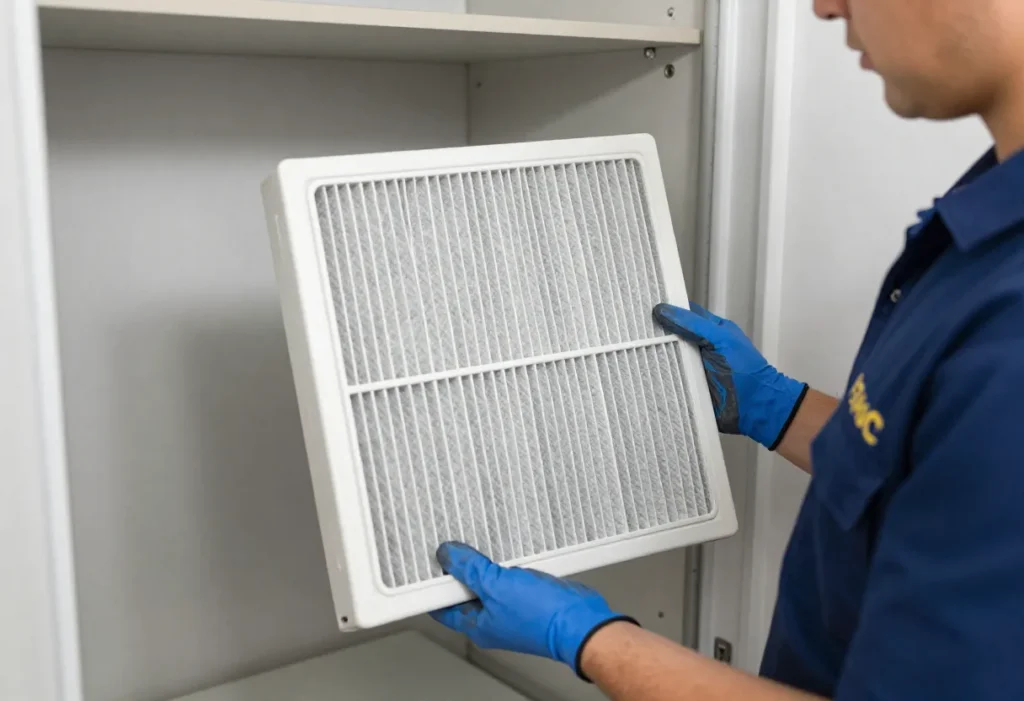
Homeowner or HVAC professional checking a residential HVAC air filter for proper fit and airflow compatibility

A MERV 10 air filter is simply a small upgrade from MERV 8. It is designed to catch smaller particles while still being safe for most home HVAC systems. 

To put it simply, it is a slightly finer net that can catch particles in the 7-10 micron range. 

So what’s the difference in real life?

MERV 10 does a better job capturing finer household dust, smaller pollen particles, mold spores, and tiny bits of pet dander that a MERV 8 filter might miss. 

It doesn’t turn your system into a hospital-grade purifier, but it does clean the air a little deeper.

For a lot of homeowners, this small step up does make a noticeable difference, especially during allergy season. 

The best part? 

These filters improve air filtration without moving into the higher-resistance filter range that can stress some HVAC systems.

So, this is a balanced upgrade for people who want cleaner air but still want their system running comfortably.

Why do homeowners like MERV 10 air filter? 

Homeowners like MERV 10 air filters because they want better air quality without overcomplicating things.

You see, if someone in the home deals with seasonal allergies, mild asthma, or dust sensitivity, MERV 10 can help reduce some of those everyday airborne triggers. Also, it is helpful in homes where dust seems to settle quickly on furniture, even after cleaning.

Any other reason it’s popular? 

Certainly. 

The airflow change with MERV 10 filters is usually very small in most HVAC systems. You get improved filtration without a dramatic impact on comfort.

The air filter replacement cost, however, is higher here. That’s because a MERV 10 filter costs between $10-30, which is way more expensive compared to MERV 8. 

MERV 8 vs MERV 10 air filters: What are the differences?
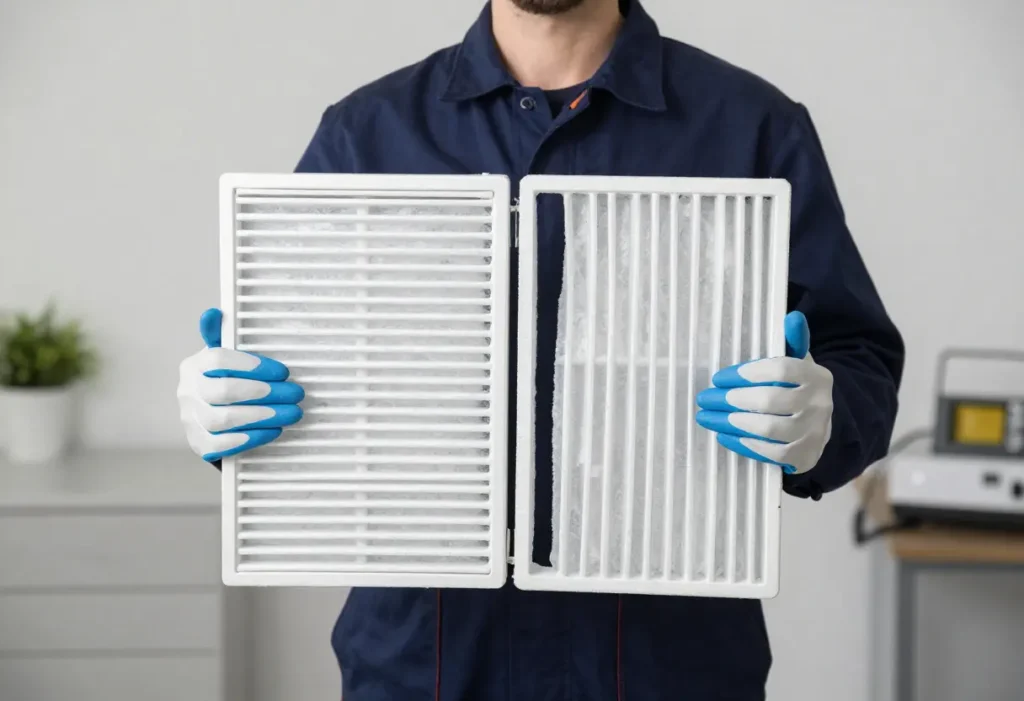
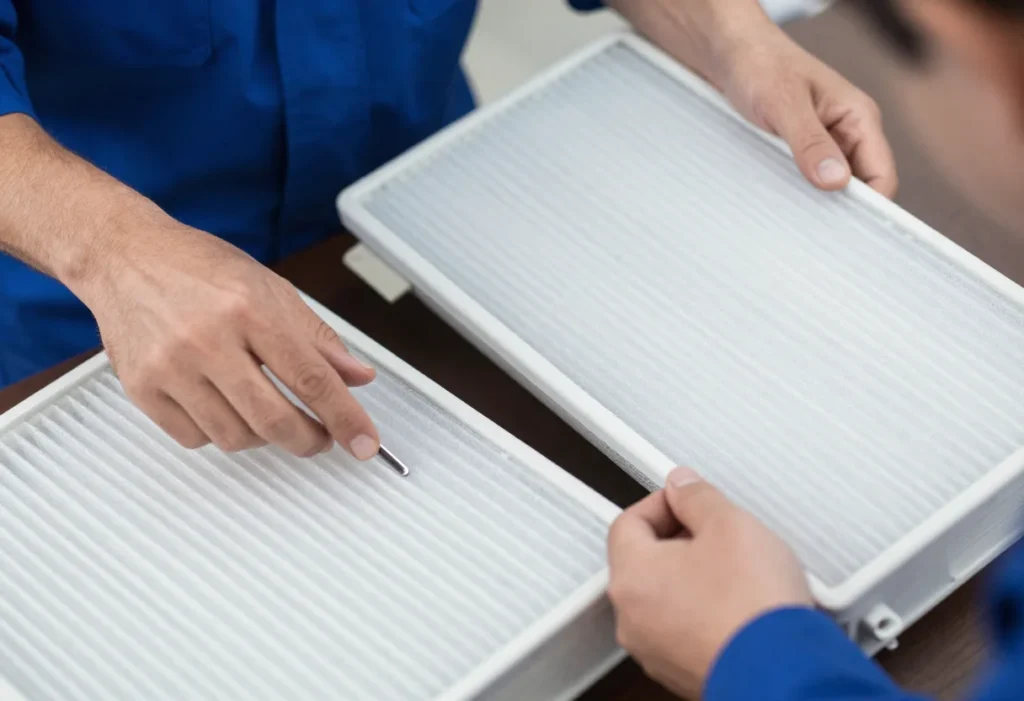
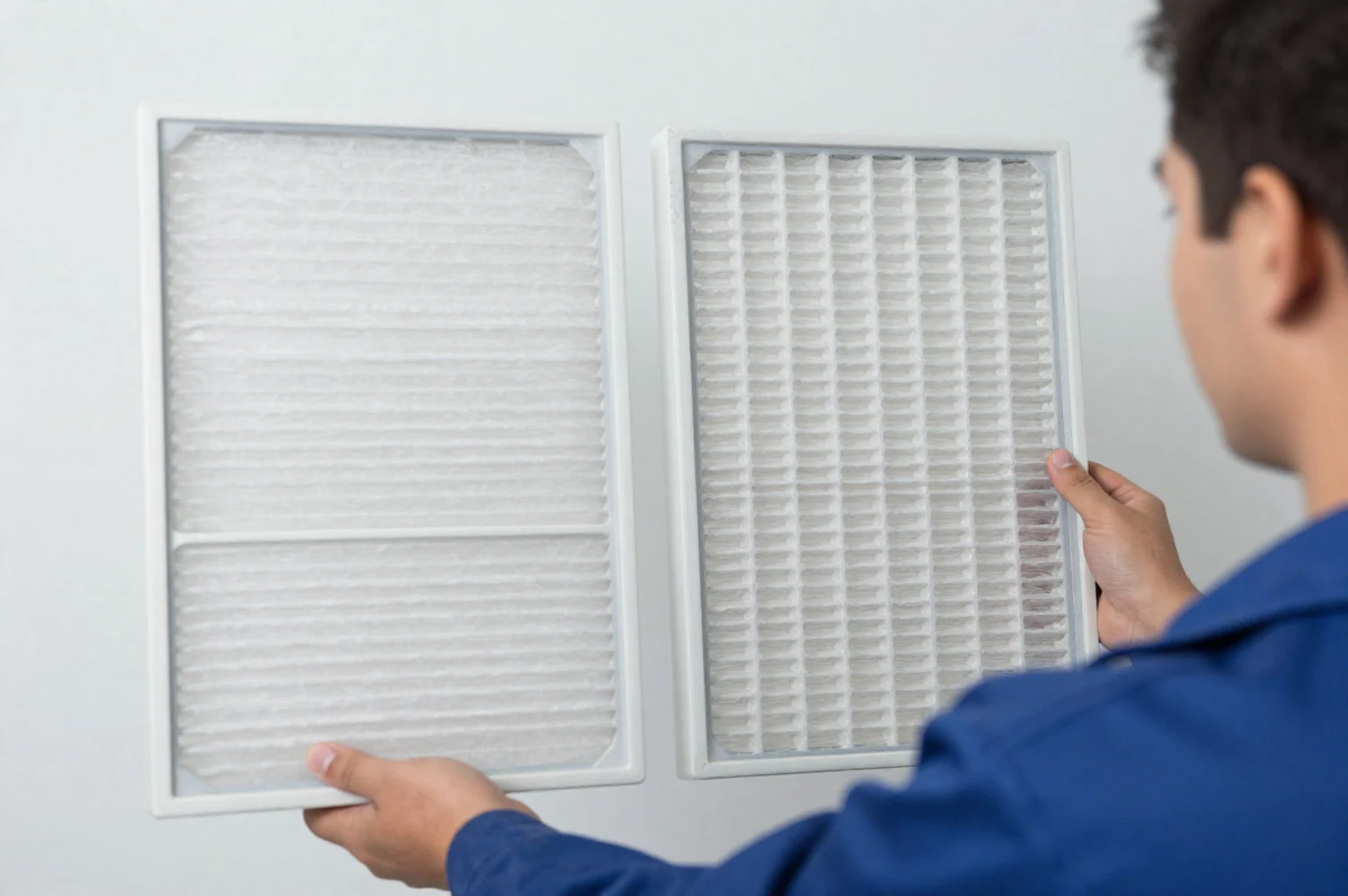
Side-by-side comparison of two HVAC air filters showing the difference between MERV 8 and MERV 10 filtration density

MERV 8 and MERV 10 filters look almost the same. They are the same size and the installation process is also the same . 

So what’s the real difference?

Well, just like MERV 11 VS MERV 13 air filters, the difference comes down to two main things:

  • How small of particles they capture
  • How that affects your airflow over time. 

Let’s have a close look at the difference between MERV 8 and 10 for a better understanding. 

MERV 8 air filter 

1. Offers reliable everyday air filtration

MERV 8 is built for normal, everyday air filtration. It captures common household particles like dust, pollen, lint, and pet dander, the things floating around in almost every home. 

And for most families, this already makes the air feel noticeably cleaner.

2. There is very low airflow resistance

One of the biggest advantages of MERV 8 is how easily air moves through it. Your HVAC system doesn’t have to strain or work harder to push air into your rooms. 

This means strong airflow, steady temperatures, and consistent comfort throughout the house. 

3. Excellent for older or smaller HVACs

If your HVAC system is older, smaller, or you’re simply unsure what it can handle, MERV 8 is usually the safest choice. 

In fact, older HVAC systems were designed for this very level of filtration. So, you get cleaner air while keeping the system running smoothly. 

4. Lower cost and longer usable life

MERV 8 filters are way more affordable than higher-rated options. Also, they tend to clog a little more slowly because they aren’t trapping the smallest particles. 

In most homes, they can last anywhere from one to three months, depending on dust levels and whether you have pets. This makes them practical and budget-friendly.

MERV 10 air filter

1. Offer better fine-particle filtration

MERV 10 is designed to catch smaller particles that MERV 8 might miss. This includes finer household dust, smaller pollen particles, and mold spores. 

Now, while the difference sounds small, it does make the air feel cleaner in homes that struggle with dust buildup.

2. Better for allergy-prone homes

If someone in your home deals with seasonal allergies, pet sensitivity, or dust irritation, MERV 10 can offer noticeable improvement in comfort. That’s because it traps smaller airborne particles, fewer allergens continue circulating through the air. 

Over time, this can mean less sneezing, less irritation, and more comfort indoors. 

3. There is slightly higher airflow resistance

Since a MERV 10 air filter is denser than MERV 8, airflow resistance is slightly higher, which in simple terms means that air doesn’t pass through quite as easily. 

However, in most properly sized and well-maintained residential HVAC systems, this difference is small and usually not a problem. 

Modern HVAC systems are designed to handle this level comfortably. So, as long as the filter is changed regularly, it should not cause noticeable airflow or comfort issues.

4. It clogs a bit faster

MERV 10 captures smaller particles which makes it fill up much faster, especially during heavy pollen seasons or in homes with pets. Meaning you might need to replace it a little more often than MERV 8. 

And if you don’t replace the filter often, airflow can start to decrease. 

So, you’ve got to check the filter almost every month and replace it when it looks loaded with dust. 

Note: A MERV 10 air filter is still safe for most residential HVACs

Even though it reduces the airflow slightly and clogs faster, MERV 10 is still considered safe for the majority of residential HVAC systems. That’s because it doesn’t create the kind of high resistance you see with very high-MERV filters. 

So, for most homeowners, this is a balanced upgrade offering better air quality without putting the system under stress.

In short, here are all the differences between MERV 8 vs MERV 10 air filters:

FeatureMERV 8MERV 10
Particle captureHousehold dust, pollen, lint, pet danderFiner dust, smaller pollen, mold spores
Airflow resistanceVery lowSlightly higher
Best forStandard homesHomes with allergies and dust concerns
Filter lifeSlightly longerMay clog a little faster
System impactVery minimalStill very safe for most systems

MERV 8 vs MERV 10 air filter: Which one is better for your home?
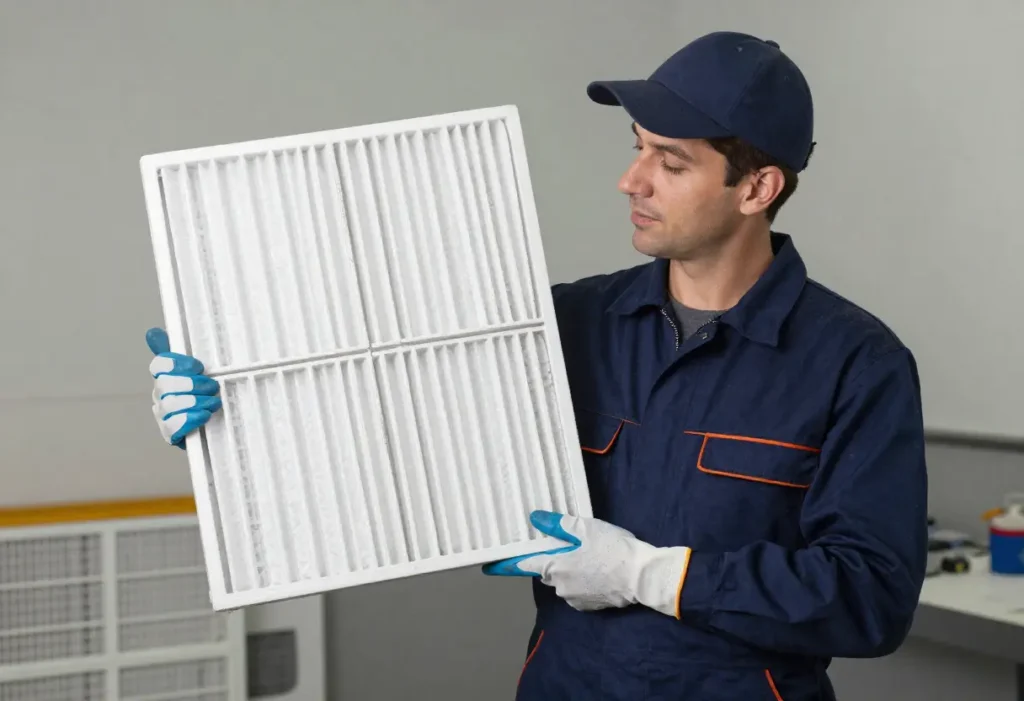
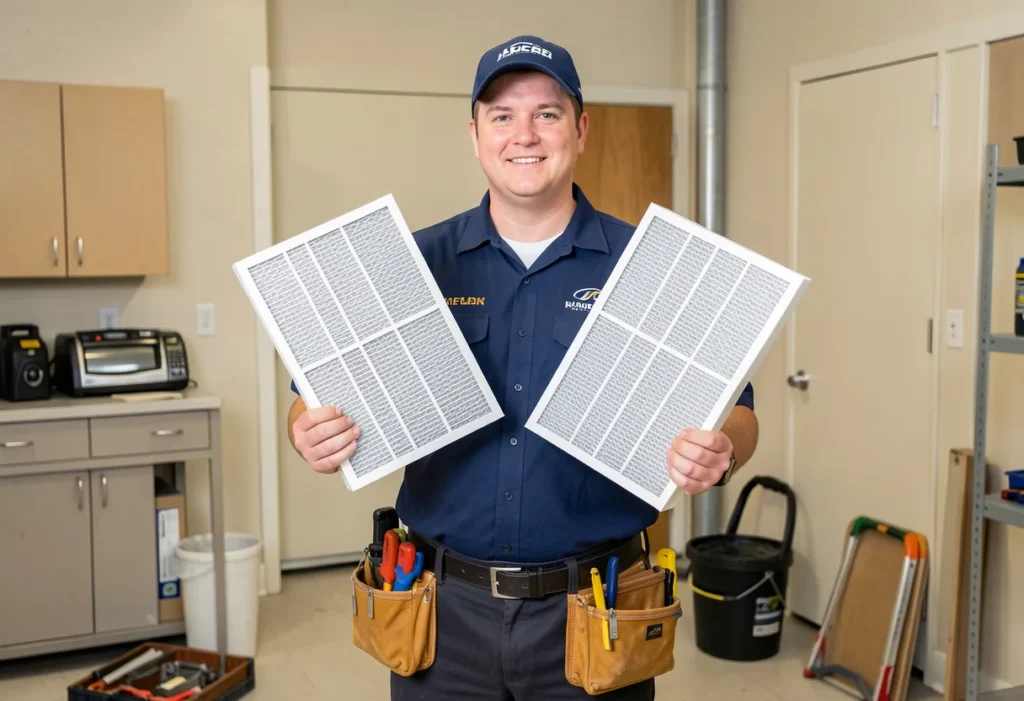
HVAC technician inspecting a residential air filter to check dust buildup and replacement timing

When it comes to the right choice between MERV 8 vs MERV 10 air filter, you’ll have to factor in your HVAC system and what air quality concerns you face. 

After all, while some homes need a basic yet reliable filtration, others do need an upgrade. 

Let me break this down so you can confidently decide which filter makes the most sense for you.

Choose MERV 8 if:

1. You want reliable filtration with zero risk

If your main goal is to keep things simple and safe, MERV 8 is hard to beat. It provides solid everyday filtration without adding strain to your HVAC system. 

Air flows easily, your blower motor doesn’t work harder than it should, and comfort stays consistent. 

2. Your home has normal dust and allergy levels

If your home doesn’t deal with constant dust buildup, heavy pet shedding, or strong allergy triggers, MERV 8 is usually more than enough. 

It handles common household particles very well and keeps the air clean for everyday living. In fact, families have been using MERV 8 for years without issues. 

3. You have an older or smaller HVAC system

Older HVAC systems were designed around lower-resistance filters like MERV 8. So, if your HVAC unit is aging or already struggles with airflow, keeping air resistance low is important.

MERV 8 allows air to pass through easily, which protects the blower motor and helps prevent unnecessary wear.

4. You want the safest and most affordable option

For many homeowners, cost and simplicity matter. 

MERV 8 filters are widely available and typically more budget-friendly than higher-rated options. Also, they last a little longer before clogging. 

So, if you want reliable performance, low cost, and minimal maintenance concerns, MERV 8 remains one of the safest and most practical choices.

Choose MERV 10 if:

1. You want better allergy and dust control

If someone in your home deals with allergies, sneezing, congestion, or dust sensitivity, MERV 10 can help. It captures smaller airborne particles that often trigger irritation. 

Over time, this can make your indoor air feel fresher and more comfortable. 

It is not a medical-grade solution, but it can provide noticeable improvement for households that want cleaner air without making a dramatic change.

2. Your home collects dust quickly

Do you clean your furniture only to see dust settling again a few days later? 

That’s often a sign that fine particles are staying airborne. 

MERV 10 is better at trapping those smaller particles before they circulate back into your living space. 

3. You want better air quality without jumping to high-MERV filters

Some filters with very high MERV ratings can restrict airflow if the system isn’t designed for them. 

MERV 10 gives you improved filtration without moving into that higher-risk category. It is a middle-ground upgrade offering better particle capture while still remaining safe for most residential systems.

4. Your HVAC system is new and well-maintained

Most newer HVAC systems can handle MERV 10 without any airflow problems. So, if your HVAC unit is in good condition and regularly serviced, this level of filtration is something you can go for without double thoughts.

In short, here’s how to decide between MERV 8 vs MERV 10 air filters:

Choose MERV 8 for Choose MERV 10 for
Normal home environmentDust and allergy concerns
Older or unknown system capacityModern, healthy HVAC system
Budget-friendlinessUpgrade in air quality
Maximum airflow safetyBetter fine-particle capture
Clean-Air-Technologies's Logo
Angies Super Service
Accredited Business
Aeroseal

Schedule Your Free Estimate Today

Contact us to improve your indoor air
quality with our expert cleaning services in NJ.

Final words

I am sure that by now you know all the differences between MERV 8 vs MERV 10 air filters. Also, you know how to pick the right filter from among them for your home. 

You see, for most homes, MERV 8 is still a great everyday air filter. It keeps airflow strong, protects your system, and removes common household particles very well.

MERV 10 is a smart upgrade only if you want:

  • Cleaner air
  • Better dust control
  • Improved allergy support

Also, it is a safe choice if you want to avoid airflow problems caused by higher MERV filters.

Got more questions or want to schedule an air filter replacement for your home?

You can get in touch with us!

At Clean Air Technologies, we offer the highest-quality MERV-rated air filters. We help you choose the right air filtration for your home based on your HVAC system type and indoor air quality concerns. 

FAQs about MERV 8 vs MERV 10 air filters

Is MERV 10 much better than MERV 8 for home air quality?

MERV 10 is better than MERV 8, but the difference is not huge for most homes. 

MERV 10 captures slightly smaller particles, such as finer dust and smaller pollen, that MERV 8 might miss. This can help if your home has allergy issues or feels dusty. 

However, MERV 8 already does a good job for everyday living. 

Will switching from MERV 8 to MERV 10 reduce airflow in my home?

In most homes, the airflow difference between MERV 8 and MERV 10 is very small. 

MERV 10 is only slightly denser than MERV 8, so properly sized residential systems usually handle it without problems. Your rooms should still feel comfortable and air should move normally. 

Is MERV 10 safe for older HVAC systems?

In many cases, yes. 

MERV 10 is still considered a low to moderate resistance filter and works safely in most homes.

That said, older systems were often designed around MERV 6 to MERV 8 filters. So, if your HVAC unit is very old or has weak airflow already, staying with MERV 8 is the safer choice.

How often should I replace MERV 8 and MERV 10 air filters?

Air filter replacement frequency differs for both MERV 8 and MERV 10 filters. 

Most MERV 8 filters should be replaced every one to three months, depending on how dusty your home is and whether you have pets. 

MERV 10 filters usually need to be changed a little more often, often every one to two months. Because MERV 10 traps finer particles, it can fill up faster. Checking your filter once a month is the easiest way to avoid airflow and performance problems.

Is MERV 10 better for allergies than MERV 8?

Yes, for many people it is. 

MERV 10 captures smaller dust and pollen particles than MERV 8, which helps reduce common allergy triggers. 

So, if someone in your home sneezes often, has mild asthma, or reacts to dust, MERV 10 might provide cleaner and more comfortable indoor air. 

That said, MERV 8 still performs well for everyday allergy control in most households.

Does MERV 10 use more energy than MERV 8?

Usually, no noticeable increase happens in most homes. That’s because the airflow resistance difference between MERV 8 and MERV 10 is small. 

However, if a filter becomes clogged and is not changed on time, the system has to work harder to move air. This can increase run time and energy use.

Which filter should I choose if I am not sure about my system?

If you are unsure about your HVAC system’s capacity, MERV 8 is the safest and most reliable choice. It provides solid filtration while keeping airflow strong and protecting your equipment. 
MERV 11 Vs MERV 13 Air Filters: All the Differences Explained

When it comes to shopping for the right HVAC air filter, we all wonder whether we should go for MERV 11 or MERV 13 filters. 

After all, both these filters look similar, promise cleaner air, claim to trap dust and allergens, and seem like a smart upgrade. 

Most importantly, both are MERV-rated and look like an ideal air filter replacement for your HVAC system. 

But here’s what most homeowners don’t realize: Your HVAC system is designed for a certain kind of filter, and it might not support one of these filters. 

So, choose the wrong MERV-rating and can affect indoor air quality, airflow, and your comfort. 

In this blog, I will walk you through all the differences between MERV 11 vs MERV 13 air filters. By the end, you’ll know exactly which filter is right for your home.

Let’s begin with it. 

Key takeaways 

  • MERV 11 is great for everyday homes and common allergens.
  • MERV 13 captures smaller particles like smoke and fine dust.
  • Higher MERV means better filtration but more airflow resistance.
  • Older or smaller HVAC systems may struggle with MERV 13.
  • Replace MERV 11 every 2-3 months, MERV 13 every 1-2 months.
  • Always check your HVAC system before upgrading to MERV 13.

What exactly is a MERV rating for air filters?

Before we get into MERV ratings, let’s first understand what this rating is all about. 

MERV stands for Minimum Efficiency Reporting Value. And although it sounds complicated, this rating is just a number that tells you how good an air filter is at catching tiny particles floating in the air.

You see, when you run your HVAC system, the air passes through a filter that traps things like dust, pollen, pet dander, and other particles. 

Now, all standard filters in the country are MERV-rated filters. And here, the higher the MERV number, the smaller the particles the filter can catch.

So yes, a higher MERV number usually means cleaner air.

What is a MERV 11 air filter?

HVAC technician holding air filter during replacement service

A MERV 11 filter is what I consider a strong, reliable upgrade for most homes. It is neither basic nor extreme, and it sits right in that sweet spot for residential use.

When air moves through your system, a MERV 11 filter does a very good job of catching common household particles. This includes dust, pollen, pet dander, mold spores, lint, and even some larger smoke particles. 

The result is fewer allergens floating around and less buildup inside your system.

So, if you’re currently using something like a MERV 6 or MERV 8 filter, switching to MERV 11 can make a noticeable difference in air quality. The air will feel cleaner, and your allergy symptoms might also show improvement, especially during pollen season.

The best part: For most households, MERV 11 provides a big step up in protection without creating airflow problems.

Clean-Air-Technologies's Logo
Angies Super Service
Accredited Business
Aeroseal

Schedule Your Free Estimate Today

Contact us to improve your indoor air
quality with our expert cleaning services in NJ.

MERV 11 filters are especially popular among homeowners, here’s why:

Homeowners like MERV 11 because it offers a healthy balance. It cleans the air well, and it doesn’t restrict airflow in most standard HVAC systems. 

Also, it is more affordable than higher-rated filters and tends to last longer. 

Most importantly, it doesn’t put as much strain on the blower motor. This is why MERV 11 is considered the safe upgrade for homes. 

What is a MERV 13 air filter?

Technician installing MERV rated HVAC air filter into system

A MERV 13 filter takes air filtration to the next level.

While MERV 11 handles common household particles very well, MERV 13 is built to catch much smaller and finer particles that you can’t even see. 

I am talking about very fine dust, smoke from cooking or wildfires, tiny allergen particles, bacteria-sized contaminants, and even small droplets released when people cough or sneeze.

In simple terms, MERV 13 is designed to grab the particles that easily slip through lower-rated filters.

And for this reason, it’s often used in places where air quality really matters, like schools, medical offices, and buildings that want a higher level of protection.

For homeowners who are concerned about smoke, pollution, asthma triggers, or strong allergies, MERV 13 filters do provide a noticeable boost in filtration. 

MERV 11 vs MERV 13 air filters: What’s the difference?

Technician comparing HVAC air filter thickness and density for airflow performance

At first look, MERV 11 and MERV 13 filters may look almost identical. But the real difference shows up when air starts moving through them. 

You see, these filters are built to capture different particle sizes. So their effect is different on both air quality and airflow inside your system. 

Let’s have a look at the main differences between MERV 11 vs MERV 13 filters: 

MERV 11 air filter

A. Offers decent household filtration

MERV 11 is designed for normal, everyday homes. It captures common particles like dust, pollen, pet dander, and mold spores very effectively. 

For most families, this already provides a noticeable improvement in indoor air quality. Y

So, if your main goal is reducing allergens and keeping the air cleaner without going overboard, MERV 11 does the job very well.

B. Pressure drop is lower than MERV 13

Pressure drop simply means how hard it is for air to pass through the filter. 

MERV 11 filters are less restrictive than MERV 13, so air flows through them more easily. This means your system doesn’t have to work as hard to push air through, which helps maintain proper airflow and steady comfort throughout your home.

C. It is easy on on old or small HVAC systems

If your HVAC system is older or wasn’t designed for high-efficiency filters, MERV 11 is a safe choice. 

It provides better filtration without adding too much strain on the blower motor. That’s important because too much resistance can reduce airflow and slowly wear down system components over time.

D. Good for dust, pollen, pets, and everyday allergens

For typical allergy triggers like pollen and pet hair, MERV 11 performs very well. 

In fact, most homeowners dealing with seasonal allergies or shedding pets find that this level of filtration makes a real difference. It helps reduce airborne irritants without creating airflow problems in most homes.

E. Lower cost and longer usable life

MERV 11 filters are generally more affordable than MERV 13. So you can expect a lower air filter replacement cost

Also, they tend to last a bit longer because they are not trapping ultra-fine particles as aggressively. 

In many homes, they can run for two to three months before needing replacement, depending on dust levels.

MERV 13 air filter

A. Offers much stronger fine-particle filtration  

MERV 13 is built to capture much smaller particles than MERV 11. This includes very fine dust, smoke particles, and other tiny airborne contaminants in the 0.3 to 10 micron range

So, if your goal is maximum air cleaning within a standard residential system, MERV 13 offers a noticeable step up in filtration performance.

B. Better for smoke, pollution, and sensitive occupants 

If someone in your home has asthma, strong allergies, or sensitivity to smoke, MERV 13 is great for added protection. 

It is especially helpful in areas affected by wildfire smoke or heavy outdoor pollution. The filter is designed to trap the finer particles that often trigger respiratory symptoms.

C. Pressure drop is higher than MERV 11

MERV 13 filters are denser, which makes it harder for air to move through them. This creates more resistance inside the system. 

And if your HVAC unit isn’t designed to handle that added resistance, airflow can decrease, and the system might need to run longer to keep your home comfortable.

D. Filters clog faster 

Since MERV 13 traps smaller particles, it fills up more quickly. And during heavy pollen seasons or smoky conditions, it might need to be replaced more often. 

Also, if it becomes clogged, airflow will drop even further, which can increase strain on the system.

E. Needs proper system evaluation

Before switching to MERV 13, you’ll need to make sure your HVAC system can handle it. 

A technician will check airflow and system capacity to confirm it won’t create problems. That’s because MERV 13 filters work best only when your HVAC system is designed to support it safely.

In short, here are all the differences between MERV 11 vs MERV 13 air filters: 

FeatureMERV 11MERV 13
Particle captureCommon household dust, pollen, pet danderFine dust, smoke, small allergens, bacteria
Airflow resistanceLowHigher
Best forEveryday homesHomes with allergies, asthma, smoke concerns
Filter lifeLongerShorter, clogs faster

Note: The biggest difference between MERV 11 and 13 filters is how small particles they can capture

The biggest difference between MERV 11 and 13 air filters comes down to how tiny the particles they can catch are.

MERV 11 does a great job capturing everyday particles like dust, pollen, and pet dander, mostly in the 1 to 3 micron range. That’s plenty for most homes and regular allergy protection.

MERV 13 goes further. It captures a much higher percentage of those same particles and starts trapping even smaller particles that MERV 11 might miss. 

This includes fine smoke, pollution, and tiny airborne irritants that can trigger asthma or allergies.

Simply put, MERV 13 cleans the air more deeply, which can make a noticeable difference if you’re sensitive to smoke or fine dust.

MERV 11 vs MERV 13 filters: What’s better for your home?

HVAC technician holding MERV 11 and MERV 13 air filters for comparison

The best air filter for you between MERV 11 vs MERV 13 depends on your home, your air quality needs, and your HVAC system. 

Both MERV 11 and MERV 13 clean the air, but in different ways. One is great for everyday use without stressing your system, and the other is stronger for very fine particles, smoke, and allergy triggers. 

Let’s see what suits your home the best: 

Choose MERV 11 air filter if:

1. You want better air quality without risking airflow problems

MERV 11 improves your home’s air quality significantly, catching dust, pollen, pet dander, and other common particles. 

At the same time, it doesn’t restrict airflow too much, so your HVAC system can keep running efficiently. 

This balance means cleaner air without putting extra strain on your system or reducing comfort in your home.

2. You have pets or mild allergies

If your household has pets or mild seasonal allergies, MERV 11 is a solid choice. It traps hair, dander, pollen, and dust effectively, helping reduce sneezing, itchy eyes, and other common allergy symptoms. 

This is strong enough to make a noticeable difference but gentle enough not to cause airflow or system issues.

3. Your home is fairly normal in terms of dust and pollution

For homes in areas with average dust, pollen, or pollution levels, MERV 11 is usually sufficient. It handles the everyday airborne particles without being overkill. 

Most households will notice cleaner air and fewer allergens floating around without the complications of higher-resistance filters.

4. You are not sure about your HVAC system’s capacity

If you aren’t certain how strong your HVAC system is, MERV 11 is the safer upgrade. It provides improved filtration without risking the system’s airflow or efficiency. 

This makes it a reliable choice for most homes, especially older units or smaller systems that might struggle with higher-MERV filters.

Simply put, MERV 11 is the best overall balance for most homes

Overall, MERV 11 is a great mix of clean air, system safety, and affordability. It improves indoor air quality noticeably while keeping your HVAC system running smoothly. 

For most households, this filter provides the best balance of performance, comfort, and long-term reliability.

Choose MERV 13 air filter if:

1. Someone in your home has asthma or severe allergies

MERV 13 is a strong choice for households dealing with asthma or serious allergies. It traps much smaller particles, like fine dust, smoke, and allergens, that MERV 11 may miss. 

This extra filtration can reduce triggers, help improve breathing, and make indoor air healthier for sensitive occupants.

2. You are concerned about wildfire smoke or heavy outdoor pollution

If you live in an area prone to wildfire smoke or heavy pollution, MERV 13 can provide extra protection. 

It captures tiny smoke particles and pollutants that easily bypass lower-rated filters. This means cleaner air indoors, even when the air outside is unhealthy, which is especially important during fire or high-pollution seasons.

3. You want the highest possible filtration your system can safely handle

MERV 13 provides the strongest residential-level filtration available. If your system can handle it, it will remove far more tiny particles than MERV 11, giving you the cleanest indoor air possible. 

This is ideal if you prioritize air quality, although it increases your typical air filter replacement frequency.

4. Your system has been checked and approved for higher-MERV filters

Before switching to MERV 13, it’s important to make sure your HVAC system can handle the higher resistance. 

A professional check ensures proper airflow and system efficiency. 

Once approved, MERV 13 can safely deliver superior filtration without causing strain, helping your home breathe cleaner and healthier air.

In short, here’s how to choose between MERV 11 vs MERV 13 filters: 

Choose MERV 11 ifChoose MERV 13 if
Pets or mild allergiesSevere allergies or asthma
Average dust & pollutionSmoke or heavy pollution concerns
Unsure about HVAC systemHVAC checked for higher MERV
Everyday clean airMaximum filtration possible
Clean-Air-Technologies's Logo
Angies Super Service
Accredited Business
Aeroseal

Schedule Your Free Estimate Today

Contact us to improve your indoor air
quality with our expert cleaning services in NJ.

Final words 

By now, I am sure you know all the differences between MERV 11 vs MERV 13 air filters. 

Also, you’ve clarity on which filters suit your home the best based on your HVAC system type and the level of air filtration you need. 

MERV 11 air filter is definitely the everyday winner. It improves air quality, handles common allergens, and keeps your system running smoothly without extra strain.

MERV 13 is a more powerful upgrade, as it catches smaller particles like fine smoke, pollution, and allergens. 

But it’s only a safe choice if your system can handle the extra resistance. 

Got more questions or want to schedule air filter replacement?

You can get in touch with us!

At Clean Air Technologies, we bring the highest quality MERV-rated air filters. Our technicians assess your HVAC system and suggest you the best MERV-rating for your home. 

Also, we offer recurring air filter replacement plans to help keep you on top of routine air filter replacement. 

Frequently asked questions 

Does a higher MERV filter increase energy use?

Yes, it can, but it doesn’t always happen. 

A higher MERV filter, especially MERV 13, can restrict airflow if your system isn’t designed for it.

And when airflow becomes restricted, the fan has to work harder and the system may run longer to reach the set temperature. So, total energy use can increase slightly. 

This is more likely when a system is pushed beyond what it was designed to handle, especially in older or smaller HVAC systems.

Is MERV 13 always better than MERV 11?

Not always. 

MERV 13 cleans the air more deeply, but that doesn’t mean it’s right for every home. If your HVAC system cannot handle the extra airflow resistance, you might actually lose comfort and system efficiency. 

In many homes, MERV 11 offers a much better balance between clean air and proper airflow.

So, the best filter is the one your system can handle safely, not just the one with the higher number.

What is the biggest difference between MERV 11 and MERV 13 filters?

The biggest difference is how small the particles they can capture. 

MERV 11 is great for dust, pollen, pet dander and mold spores. MERV 13 can trap much finer particles, including smoke and very small airborne contaminants. 

However, MERV 13 also creates more resistance to airflow. That’s why the real difference is not just cleaner air, but how much strain the filter may put on your HVAC system.

What role does filter thickness play when choosing MERV 11 or MERV 13?

Filter thickness really matters and is often overlooked. 

A 4-inch MERV 13 filter is usually much easier on airflow than a 1-inch MERV 13 filter. Thicker filters give air more surface area to pass through, which reduces resistance. 

Can MERV 13 filters cause airflow problems in some homes?

Yes, they can. 

MERV 13 filters are denser and catch much smaller particles, which means air has a harder time moving through them. 

In older HVAC systems, systems with small return ducts, or systems designed for basic filters, this can reduce airflow. 

Lower airflow can make rooms feel uncomfortable and can force the system to run longer. That is why it’s important to confirm your HVAC system can handle MERV 13 before switching.

How often should MERV 11 and MERV 13 filters be replaced?

MERV 11 filters usually last around two to three months in most homes. MERV 13 filters often need to be changed sooner, usually every one to two months. 

Should I upgrade from MERV 11 to MERV 13 for allergies or asthma?

Upgrading can help, especially if someone in your home has allergies, asthma, or reacts to smoke and fine dust. 

MERV 13 captures smaller airborne particles that MERV 11 might miss. 

However, the upgrade should only be done if your system can safely support it. 

Do I need a professional check before switching to MERV 13?

Yes, you do. 

A technician can check airflow and static pressure and see how much resistance your system can handle. This helps avoid problems like weak airflow, higher energy use, and extra strain on the blower.