Clean-Air-Technologies's logo

What Does Mold In Air Ducts Look Like? 8 Signs Of Mold Infestation

You turn on the AC or heater, and there is a strange musty smell. It is kind of damp, a little earthy, and definitely not right.

At first, you might ignore it, thinking it’s just the old filter or that the system hasn’t run in a while. But over time, it lingers and you start to wonder: What’s actually blowing through these vents?

Here’s the truth: That smell could be mold hiding inside your air ducts.

And while it might seem harmless at first, mold in your duct system can make you sick and even lead to bigger problems. This includes worsened allergies, unexplained headaches, poor indoor air quality, and even long-term damage to your home, which is why professional air duct cleaning in new jersey is often the fastest way to stop mold at the source.

The tricky part? 

You don’t know what does mold in air ducts look like. 

That’s because it could be masking itself as dust or black spot and quietly spreading through your ductwork every time the system turns on.

In this guide, I will walk you though 8 clear signs of mold in air ducts. I will show you what it looks like, what causes it, and what can you do about it.

So, let’s get started. 

Key takeaways

  • Mold in air ducts often smells musty or damp.
  • It can appear black, green, white, gray, or even yellow.
  • Mold spreads through moisture, leaks, and poor ventilation.
  • Common signs: visible growth, black dust, worsening allergies.
  • Mold can make you sick if left untreated.
  • It often returns if only surface-cleaned.
  • DIY kits can help detect, but pros should remove.
  • Prevent mold by fixing moisture problems and cleaning regularly.

What does mold in air ducts look and feel like? 8 Red Flags!

For starters, mold in air ducts can look like black, green, white, or even gray spots or patches. And depending on the type of mold, it might be fuzzy, slimy, or powdery.

You’ll often find it around vent covers, inside duct walls, or near the air handler. 

Mold usually feels damp or sticky to the touch and may give off a strong and musty odor. So, if you see strange stains or buildup in or around your vents, it could be mold growing.

Overall, here are the symptoms of mold in air ducts: 

SymptomWhat to Look or Smell For
Musty smellDamp or earthy odor when HVAC is running
Visible growthSpots or patches near vents or ducts
Black dustDark particles blowing from vents
Allergy flare-upsSneezing, coughing, itchy eyes indoors
Water stains or moistureStains, condensation, or damp insulation
Mold in filter or grilleFuzzy spots on or inside vent/filter
Mold returns after cleaningRepeated smell or spots in same area
Fuzzy/splotchy patches in ductsIrregular, fuzzy or dotted textures inside vents

Let’s have a detailed look. 

1. Musty smell when you turn the HVAC on 

Dog sitting near a dusty HVAC unit, showing the health risks of mold and poor indoor air quality.

One of the first signs that something’s not right inside your air ducts is the smell.

Here, every time you turn on your AC or heater, you’ll notice a damp, musty, or old-basement-like odor. 

This is a red flag because it’s not just dirty air or normal dust, but mold growing somewhere inside the ductwork.

But why does it smell like that?

Well, mold gives off gases as it grows, creating that funky or earthy scent. And since your HVAC system moves air all around your home, it also spreads that smell through every room.

So, even if you can’t see mold, if you can smell it, that’s reason enough to take a closer look. 

Clean-Air-Technologies's Logo
Angies Super Service
Accredited Business
Aeroseal

Schedule Your Free Estimate Today

Contact us to improve your indoor air
quality with our expert cleaning services in NJ.

2. Visible mold growth around vents or duct covers

Close-up of mold growth inside an air duct showing early signs of infestation.

Sometimes, mold doesn’t try to hide and it shows up right in front of you.

Take a close look at your vent covers, air returns, or the area around them. If you see any spots, streaks, or fuzzy patches that look out of place, it could be mold. Regular air vent cleaning can help eliminate dust and contaminants that provide a breeding ground for mold.

Here’s mold on vents actually look like:

  • Colors: Black, dark green, gray, brown, or even yellow
  • Texture: It might look fuzzy, slimy, or powdery
  • Shape: It can show up as small spots, splotchy smears, or full-on patches

Now, some people mistake it for dirt or dust buildup. But if it keeps coming back even after you clean it, it’s probably mold.

Pro tip: Don’t forget to check the ceiling or wall around the vent. That’s because sometimes mold spreads beyond the cover, hinting at a bigger problem inside the system.

3. Black dust or particles blowing from vents

Mold spores releasing inside an air duct, showing active contamination.

This one’s easy to miss.

You might have noticed black dust or tiny dark particles blowing out when the air kicks on. Maybe they settle on your furniture, window sills, or even your floor.

This might not be regular dust but mold spores or fragments breaking off from inside your air ducts.

Here’s how it works: 

When mold dries out, it becomes brittle. And the airflow from your HVAC system breaks it into dry and loose pieces, sending them flying through your vents and right into the air you’re breathing.

Moreover, people also notice dark smudges around the vent covers, like a soot-like ring. This is another clue that mold is growing inside and blowing out slowly over time.

4. Allergy worsens when you’re indoors

Child experiencing allergy symptoms caused by mold in air ducts.

If your body feels off at home but fine when you’re outside your air ducts might be to blame.

Why? 

You see, mold spores in your HVAC system don’t just stay in the vents but get pushed out into the air you breathe. And if you or someone in your household is sensitive, this mold-infestation in ducts can lead to all kinds of allergy-like symptoms.

Here’re some common symptoms you or your family members might experience: 

  • Sneezing, coughing, or sore throat
  • Itchy or watery eyes
  • Runny nose or nasal congestion
  • Headaches or dizziness
  • Skin irritation
  • Feeling tired or foggy

In fact, some people even report tightness in the chest or trouble breathing, more so if they’ve got asthma, allergies, or weak immune systems.

So if you feel crummy at home, but totally fine elsewhere, your home’s air is most likely mold infested. 

5. You notice water Stains, condensation, or moisture around duct

Mold thrives the most on one thing: moisture.

So, water stains on the ceiling around your vents, damp spots near your ductwork, or condensation on or inside the ducts are all red flags. These signs mean there’s too much humidity, and mold might already be moving in. In addition to fixing leaks, air filter replacement can help improve airflow and reduce moisture that contributes to mold growth.

Here are some symptoms of mold in air ducts you should look out for:

  • Water rings or stains around ceiling vents
  • Rust or corrosion on duct joints
  • Insulation that feels damp or looks discolored
  • Drips or puddles near air handler units or attic ducts

Even if you don’t see mold yet, moisture is the first ingredient it needs to grow. And in many cases, by the time you spot a water stain, mold has already started forming inside the ducts where you can’t see it.

Meaning if your duct system looks sweaty or your ceiling looks stained, it’s time to take a closer look.

6. You can clearly see mold inside filter, grille, or duct opening

Woman inspecting an air vent for cleaning in a residential home.

Sometimes, you don’t even need to go deep inside the ductwork to spot mold as it’s right there at the surface.

So the next time you’re changing your air filter or cleaning a vent cover, take a close look. If you see dark spots, fuzzy growth, or anything that doesn’t wipe off easily, there’s a good chance it’s mold.

Here’s where you should check for mold:

  • The back side of the vent cover or grille
  • The edges and corners of the air filter
  • The inside walls of the duct (use a flashlight)
  • Around the blower or air handler if accessible

Mold in these spots usually means it’s also growing deeper inside the system. And it often starts in the filter or return vents, where air first enters the ducts and moisture can collect.

7. Mold comes back even after you clean it

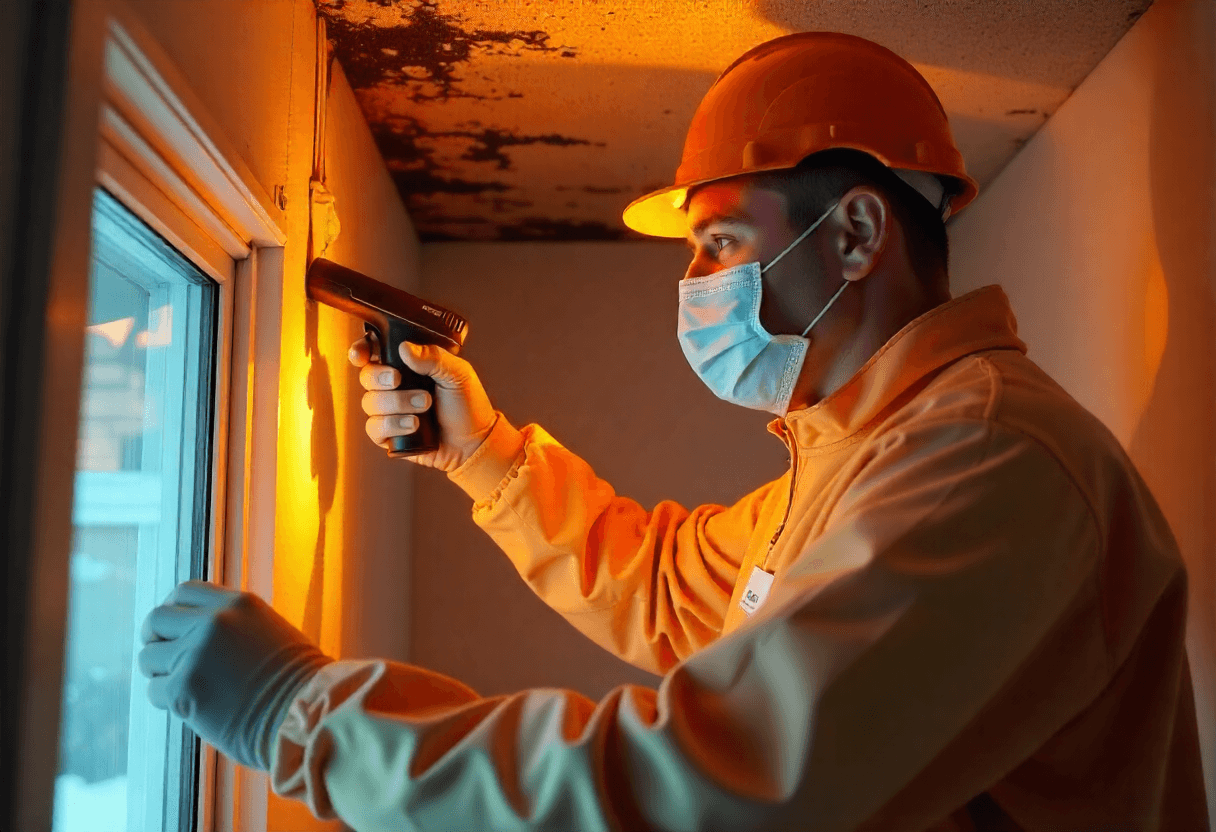
Technician inspecting ductwork with a flashlight in a narrow utility space.

You clean the vent and it looks absolutely fine. Even that musty smell’s gone.

But a couple weeks later, you start to notice mold over again.

That’s one of the clearest signs that there’s mold hiding deeper in your duct system.

You see, surface-level vent cleaning like wiping down vent covers or spraying some disinfectant has its benefits. However, if the root of the problem is still inside the ducts or the HVAC unit itself, the mold will keep coming back.

Here are some common clues:

  • Mold spots reappear in the same exact place
  • The musty smell fades but returns soon after
  • Allergy symptoms keep flaring up even after cleaning

This happens a lot because the actual mold colony might be living further inside on insulation, around bends, or near the evaporator coil where. 

Bottom line: If you feel like you’re cleaning the same spots over and over again, don’t ignore it as there’s a bigger problem under the surface.

8. You see fuzzy, splotchy, or speckled textures inside vents

Side-by-side comparison of a dirty duct and a clean duct after professional cleaning.

Sometimes mold can be sneaky. So much so you that you’d not even notice it at first.

However, if you shine a flashlight into your vents or behind a grille and see patches that look fuzzy, dusty, or speckled, that could be mold growth. And in this case, it is growing on a layer of dust inside the duct.

Here’s what you should look for: 

  • Fuzzy textures like cotton or felt
  • Splotchy patches irregular shapes, not uniform like dust
  • Speckled patterns like little dots in clusters
  • Unusual colors like dark green, gray, brown, yellowish, even bluish

These are clear signals that there is mold in your system. 

Here are the most common mold types in air ducts:

Mold TypeAppearanceCommon Traits
Stachybotrys (Black mold)Dark green-black, slimyNeeds lots of moisture; they’re potentially toxic
AlternariaDark green or brown, fuzzyOften found near damp areas
PenicilliumBlue-green, velvety or powderySpreads quickly in air
AspergillusWhite, green, or grayVery common in HVAC systems
UlocladiumBlack and fuzzyGrows in areas with water damage

Is it mold or just dust? Here’s how to tell: 

Not everything you see inside your vents is mold, even if it looks dark or suspicious. A lot of the time, it’s just regular dust buildup. 

But the tricky part is that mold and dust can look very similar. That’s why it’s important to look beyond color and pay attention to texture, smell, and how it behaves over time.

Here’s how you can tell if it is mold or just dust: 

It’s likely mold if:

A. It looks fuzzy, patchy, or uneven

Mold rarely looks smooth or uniform. Instead, it appears irregular, with fuzzy edges or blotchy patches that spread unevenly across a surface. 

Also, it might have slight color variations within the same area, which makes it look more organic and alive compared to flat, consistent dust buildup.

B. It comes back quickly after cleaning

If you clean a spot and it looks fine at first but returns within days or weeks, that’s a strong sign of mold. 

You see, unlike dust, mold grows back because the root problem still exists. It usually indicates that there’s hidden moisture or growth deeper inside the duct system.

C. There’s a musty smell along with it

Mold often gives off a distinct musty or damp smell, similar to a wet basement or old clothes left in a closed space.

This odor becomes more noticeable when your HVAC system runs, as air pushes the smell through your vents and spreads it across different rooms.

D. It feels slimy or damp (not dry)

When touched carefully, mold might feel slightly wet, sticky, or slimy, especially if it’s actively growing. This happens because mold thrives in moisture-rich environments.
Dust, on the other hand, always feels dry and powdery, so texture can be a helpful clue when identifying the difference.

It’s likely dust or dirt if:

A. It’s dry and wipes away easily

Dust is loose and dry, so it comes off surfaces without much effort. A simple wipe with a cloth usually removes it completely. 

It doesn’t cling or smear like mold might. So, if the area stays clean for a while after wiping, it’s most likely just regular dust buildup.

B. It looks like a fine, even layer

Dust tends to settle evenly across surfaces, forming a thin and consistent layer. It doesn’t create patches or clusters unless disturbed. 

This uniform appearance is an essential difference from mold, which usually grows in irregular shapes and spreads unevenly.

C. There’s no smell

Dust doesn’t produce any noticeable odor on its own. Even when there’s a lot of dust, the air smells neutral. 

So, if you’re not noticing any musty or damp scent when your HVAC system is running, the buildup you see is far more likely to be harmless dirt.

D. It doesn’t return quickly

Once you clean dust, it usually takes time to build up again. It settles gradually from the air and doesn’t suddenly reappear in the same spot. 

Meaning if the surface stays clean for a while after wiping, it’s a clear sign you’re dealing with dust, not mold growth.

In short, here’s how to tell if it is mold or just dust:

FeatureLikely MoldLikely Dust
AppearanceFuzzy, patchy, uneven, irregular shapesFine, smooth, and evenly spread layer
TextureDamp, sticky, or slightly slimyDry and powdery
SmellMusty, damp, or earthy odorNo noticeable smell
After CleaningComes back quickly in same spotTakes time to build up again
Color PatternUneven with slight variationsConsistent and uniform

What to do if you suspect mold in your air ducts?

If you’ve noticed one (or several) of the mold signs we just covered, don’t panic, but don’t ignore it either. 

Mold won’t go away on its own. And the longer it sits in your air system, the worse it can get.

So, here’s what you should do:

1. Inspect the vents 

Turn off your HVAC, remove a few vent covers, and use a flashlight to peek inside. Look for unusual spots, fuzzy patches, or black dust around the edges.

2. Smell for mustiness

Run your system for a few minutes and walk through your home. If there’s a strong earthy, damp, or mildew smell blowing from the vents, that’s a mold sign.

3. Use a DIY mold test kit

DIY mold test kits are easily available online or at hardware stores. And although they’re not the best solution, they can still confirm if mold spores are present in your air ducts. 

4. Call in a professional 

If you’ve seen visible mold or had recurring symptoms, it’s time to bring in a mold remediation or HVAC specialist.

Here’s what professionals can do: 

  • Inspect deeper parts of your duct system
  • Identify the mold type (if needed)
  • Fully clean and sanitize the ducts
  • Recommend fixes to prevent it from coming back

5. Fix the root cause

Mold needs moisture to grow. So, if your ducts are sweating, leaking, or not properly insulated that needs to be fixed too, or else, mold will just come back.

In short, here’s what to do if you suspect mold:

StepAction
1. Inspect ventsUse a flashlight to look for stains or spots
2. Smell testRun the system and walk around to sniff for musty odors
3. DIY mold kitUse a test kit to check for spores (basic screening)
4. Call professionalsFor deep cleaning and root-cause removal
5. Fix moisture issuesRepair leaks, insulate ducts, and reduce indoor humidity

Curious how to prevent mold from coming back?

Read my blog about how to get rid of mold in your air ducts

Clean-Air-Technologies's Logo
Angies Super Service
Accredited Business
Aeroseal

Schedule Your Free Estimate Today

Contact us to improve your indoor air
quality with our expert cleaning services in NJ.

Final words 

Mold in your air ducts isn’t always easy to spot. 

However, your nose, your eyes, and even your body can give you clues.

That musty smell when the AC runs?
The weird black dust around your vents?
The allergy symptoms that only show up at home?

These are all signs your air system might be hiding something nasty.

But the good news is you can still fix it. Just trust your gut feeling and schedule a complete HVAC cleanup

Got more questions or want to get your air ducts professionally cleaned?

You can get in touch with us!

At Clean Air Technologies, we are seasoned duct and HVAC cleaning professionals with three decades of experience delivering clean indoor environments throughout New Jersey. And from ducts to vents to full HVAC maintenance, we’ve got it all covered on a budget.

FAQs about mold in air ducts

What causes mold in air ducts?

Mold in air ducts is usually caused by excess moisture, poor ventilation, or leaks

Also, when warm and humid air meets cool duct surfaces, it forms condensation, creating the perfect damp environment for mold to grow and spread.

Where does mold grow inside your HVAC system?

When people think of mold in duct work, they usually imagine it sitting inside the ducts alone.

But here’s the truth: Mold often starts outside the ducts first, and then spreads.

You see, your HVAC system has multiple parts where moisture builds up, and any of these can become a breeding ground.

Here are the most common spots where mold hides:

  • Evaporator coils: These stay wet due to condensation and are one of the most common starting points
  • Drain pan: If water doesn’t drain properly, it becomes stagnant and mold-friendly
  • Air ducts: Especially if they’re poorly insulated or leaking
  • Air filters: Dirty filters trap moisture and organic debris
  • Blower components & air handler: Because they’re dark, enclosed, and often humid

Can air duct mold make you sick?

Yes. In fact, dirty air ducts can make you sick by triggering allergy-like symptoms such as sneezing, coughing, itchy eyes, headaches, and even worsening asthma when mold spores circulate through your HVAC system.

Some mold types, like black mold or white mold in air ducts, might even cause more serious health issues if left untreated.

What does mold in air vents smell like?

People describe smell from moldy air vents as a musty, damp, or earthy smell, kind of like a wet basement or old socks. If you notice that smell when the AC or heat is running, it could be mold.

Is it dangerous to run the HVAC if there’s mold in the ducts?

It’s not immediately dangerous for most people, but it’s not a good idea. 

Mold spores can circulate through your air and cause health issues over time, especially for kids, seniors, or people with allergies or asthma.

Can I clean mold out of air ducts myself?

Only small surface spots around vent covers might be safe to clean with a disinfectant and mask. 

But any mold on air vent deeper in the system should be handled by professionals. After all, you don’t want to spread spores or damage your HVAC.

How do professionals clean mold from ducts?

They use HEPA vacuums, antimicrobial sprays, and sometimes fogging equipment to sanitize the system. They’ll also find and fix what’s causing the moisture so it doesn’t come back.

Will cleaning my air ducts stop mold from coming back?

Not by itself. 

You’ll also need to reduce moisture (fix leaks, control humidity), change filters regularly, and schedule occasional checkups.

9 Benefits Of Duct Cleaning You Didn’t Know Existed

When we think about duct cleaning, we mostly picture someone vacuuming dust out of vents, and that’s about it.

Seems boring, right?

But here’s the surprise: The benefits of duct cleaning are way more than just getting rid of some dust bunnies. That’s because it can actually help you breathe easier, lower your energy bills, prevent nasty odors, stop mold from spreading, and even protect your home from fire risks. 

Yes, that’s true!

You see, most of us don’t realize how much gunk is hiding inside our air ducts. From pet hair to pollen and old construction dust to bugs and rodent droppings, dirty ducts circulate them all into the air we breathe every single day.

So if your home’s been feeling stuffy, dusty, or just off, your ducts could be the reason.

In this guide, I will break down 9 air duct cleaning benefits, including some you’ve probably never thought about. 

Whether you’re wondering if it’s worth the money or just trying to breathe a little easier, you’ll get everything you need right here.

Let’s dive right in.

Key takeaways

  • Clean ducts help your HVAC system work better and faster.
  • You can save money on energy bills with routine duct cleaning.
  • Duct cleaning removes dust, allergens, and pet dander from your air.
  • Say goodbye to musty, stale smells caused by dirty vents.
  • It helps prevent mold, bugs, and rodents from hiding in your system.
  • Your HVAC lasts longer when it doesn’t have to work as hard.
  • It reduces fire risks from lint and debris near heat sources.
  • A clean system boosts your home’s value during resale.
  • Cleaner ducts = less energy use = more eco-friendly living.

Benefits of duct cleaning for homes

HVAC technician inspecting and cleaning an air duct vent to improve airflow and indoor air quality

1. Better airflow & HVAC efficiency

Let’s start with something simple yet effective, i.e., when your air ducts are clean, air flows better through your home. 

How? 

You see, dust, dirt, pet hair, and other debris build up inside your ductwork over time. And they don’t take much to slow things down, just a thin layer of gunk can make the system ineffective.

As a result, your HVAC system has to work harder to push air through clogged pathways, and that means uneven airflow in your rooms.One of the most common signs of this one room freezing while another feeling warm and stuffy. 

Now, a professional cleaning improves airflow almost immediately, making air move freely and your rooms feeling more balanced. Also, this reduces the drag on your HVAC system as it doesn’t have to fight as hard to do its job.

In fact, a study by NADCA or the National Air Duct Cleaners Association found that cleaning dirty systems can boost airflow by up to 46%.

Bottom line: If your home feels uneven or your HVAC is always running, dirty ducts might be the reason. So, cleaning them out is like giving your whole system a fresh breath of air.

Clean-Air-Technologies's Logo
Angies Super Service
Accredited Business
Aeroseal

Schedule Your Free Estimate Today

Contact us to improve your indoor air
quality with our expert cleaning services in NJ.

2. Lower energy bills

Here’s something you might not realize: Dirty air ducts can quietly drain your wallet. 

Here’s how:

When your HVAC system has to push air through clogged or dusty vents, it works harder. And that means it uses more energy to do the same job, which adds up on your monthly bill.

Think of it like trying to breathe through a straw full of cotton. The harder you try, the more effort it takes. 

Your heating and cooling system works the same way when air isn’t flowing freely. So, if your energy bills are creeping up and you can’t figure out why, your air ducts might be the hidden culprit. 

A clean system, on the other hand, runs smoother, faster, and smarter. Moreover, in some homes, air duct cleaning has helped lower energy bills by up to 15%, especially when paired with regular maintenance like filter changes and coil cleaning.

And here’s the kicker: The harder your system works, the faster it wears out. Meaning dirty ducts aren’t just costing you money now, they could be shortening the life of your HVAC unit too.

3. Reduced allergens and irritants in the air

If you or someone in your home deals with allergies, asthma, or just constant sneezing, your air ducts might be part of the problem.

After all, your ductwork collects a lot more than dust. We’re talking pollen, pet dander, mold spores, bacteria, and even microscopic bits of dead skin. 

And every time your heat or AC kicks on, all that junk gets pushed into the air you breathe.

For people with sensitive lungs, that’s a recipe for runny noses, itchy eyes, and poor sleep.

A professional duct cleaning clears out those trapped allergens and gives your indoor air a serious refresh. It’s not a magic cure, but many homeowners report feeling better almost instantly, especially when they haven’t cleaned their ducts in years.

It’s simple: Cleaner ducts mean cleaner air, which also means fewer allergy triggers floating around your home.

4. No more breathing that musty and dirty-smelling air

Ever walk into a room and think, “What’s that smell?”

Well, it is more common than you might think. And your air ducts might be to blame that musty, stale, or just plain funky odor. 

As I said earlier, dust, mold, mildew, pet hair, and even tiny pests can settle into your ductwork. And when your HVAC system kicks on, it blows those smells all over your home. 

It’s like turning on a fan full of old gym socks and a damp basement.

After a deep duct cleaning, those trapped smells get flushed out, and so does whatever was causing them in the first place.

In fact, whether it’s leftover odors from cooking, pets, moisture, or mystery sources, cleaning your ducts can make your whole home feel fresher. Literally.

5. Eliminates hidden mold, rodents, and insects

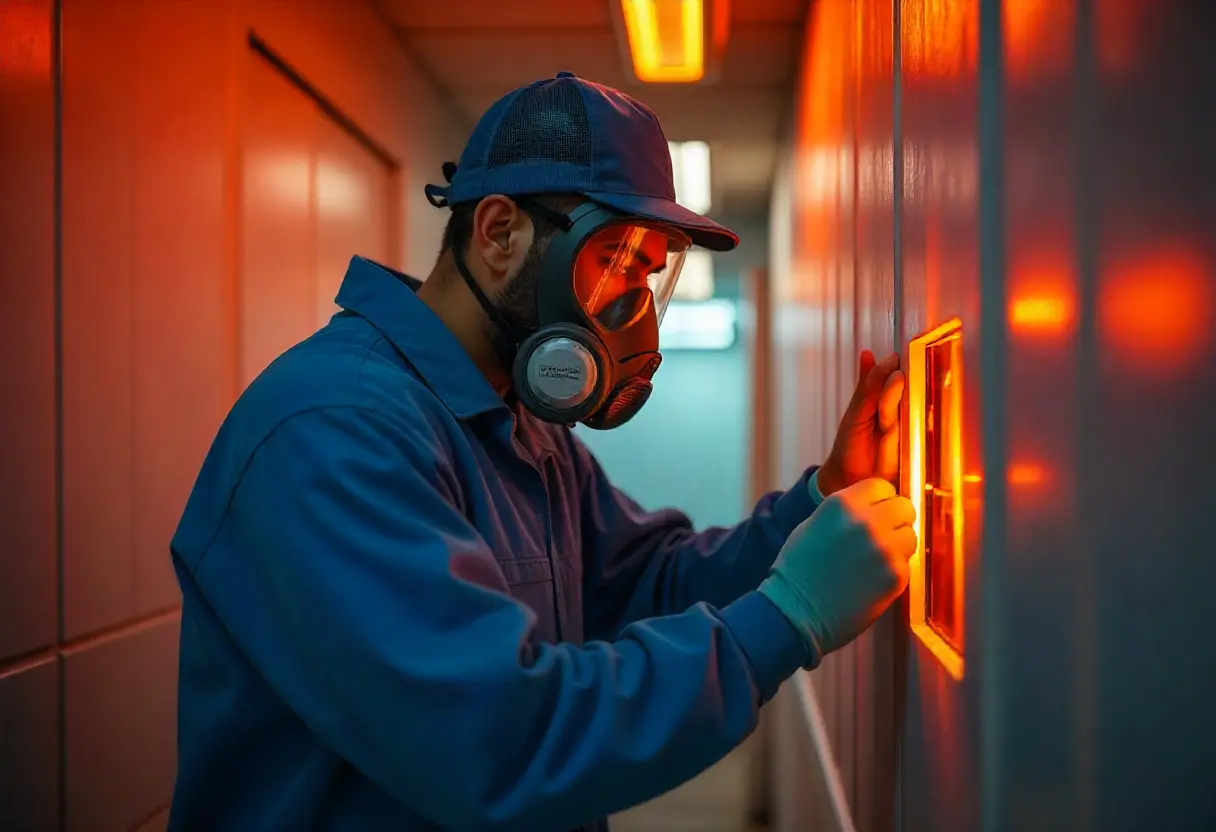
Professional in protective gear removing mold from air ducts to improve indoor air quality

Here’s the truth nobody really wants to think about: Your air ducts might be home to things you definitely didn’t invite in.

I am talking about mold spores, insect remains, rodent droppings, and even the occasional dead mouse or bird (yes, it happens more than you’d think). 

You see, since ducts are dark, dusty, and usually ignored for years, they’re the perfect hiding place for all kinds of unwanted guests.

And the worst part?

No sooner your HVAC system runs, it can spread bacteria, spores, and smells from those hidden messes into your living space.

So, if you’ve ever noticed odd smells, increased allergy symptoms, or scratching noises behind the walls, don’t ignore it. Duct cleaning can uncover and safely remove these nasty surprises before they cause health issues.

6. Extended lifespan of your HVAC system

When your air ducts are clogged with dust, dirt, and debris, it leads your HVAC system to overwork. That’s because your system has to run longer and push harder just to heat or cool your home the way it’s supposed to. 

And just like a car with clogged filters, that kind of strain wears it down faster.

Clean ducts, on the other hand, reduce resistance, which helps your HVAC system breathe easier and run more efficiently. 

The result? 

Fewer breakdowns, less need for repairs, and a longer life for one of the most expensive systems in your home.

In fact, reports suggest that homeowners who clean their ducts regularly tend to get several extra years out of their furnace or AC unit. And that difference could save you thousands on early replacements.

Interesting, isn’t it? 

7. Prevents fires from lint and dust

Strange as it might sound, dirty ducts can actually be a fire hazard.

How?

Dust, lint, and debris can build up in air vents over time, especially near furnace components. And if they’re exposed to enough heat, they can catch fire, sometimes turning into serious fires.

In fact, according to the US Fire Administration, about 374,300 house fires are reported every year by clogged vents alone. And the National Fire Protection Association suggests nearly 16,000 of these fires are caused by clogged vents. 

Now, the benefits of cleaning ducts include removing this hidden layer of flammable material before it ever becomes a problem. 

This is one of those safety steps that no one talks about, until it’s too late. 

8. Better resale value for your home

One of the benefits of duct cleaning is that it can give your home a quiet boost in value. Or at the very least, it will prevent potential red flags during inspection.

That’s because when buyers walk into a house and it smells fresh, the air feels clean, and the HVAC system runs smoothly, it sends one message: This place is well cared for.

On the flip side, dusty vents, musty smells, or airflow issues can make potential buyers wonder:

  • Is the HVAC system in bad shape?
  • Are there hidden mold or pest issues?
  • Will this be a future repair bill for me?

So, even if it’s not visible, buyers and inspectors notice the effects of dirty ducts. 

Moreover, some home inspectors even check ductwork during the evaluation. And if they spot years of buildup or signs of rodents, that’s getting mentioned in the report.

A professional duct cleaning before listing can help your HVAC system look, smell, and perform better, all without a major investment.

9. It supports sustainable living

Want to make your home more eco-friendly? 

Cleaning your air ducts might not be the first thing that comes to mind, but it plays a big role in sustainable homes.

You see, when your ducts are clogged with dust and debris, your HVAC system uses more energy to push air through the mess. This means more electricity, more fuel, and a bigger carbon footprint.

But when your system runs smoothly, thanks to clean ducts, it doesn’t have to work as hard. Thus, less energy use, fewer greenhouse gas emissions, and a more sustainable home.

In fact, some commercial buildings have used HVAC cleaning as part of their decarbonization strategy. It’s simple: Cleaner ducts = lower bills + fewer emissions.

Sounds awesome, doesn’t it? 

Here are all the benefits of duct cleaning in short

Benefit Reason
Better Airflow & HVAC EfficiencyCleaner airflow reduces HVAC strain; improves comfort.
Lower Energy BillsLess energy use thanks to reduced blower load and resistance.
Fewer Allergens & IrritantsRemoves pollen, dust, pet dander, and mold spores.
Eliminates Musty & Stale OdorsStops hidden smells from propagating throughout your HVAC system.
Removes Mold, Rodents & DebrisHelps address hidden contaminants before they impact health.
Extends HVAC LifespanLess wear and tear equals fewer repairs and longer equipment life.
Reduces Fire RiskClears lint and debris that could ignite near heat sources.
Enhances Home Resale AppealClean system + fresh air = better inspection results & buyer trust.
Supports Sustainable LivingLower energy use = fewer emissions and long-term savings.

To sum up: Is duct cleaning actually worth it?

By now, you know all the benefits of duct cleaning.

But does it really make a difference?

Well, if you’re expecting a miracle, maybe not. 

But if you’re dealing with stale air, dust buildup, high energy bills, or allergy flare-ups, then yes, duct cleaning is absolutely worth it.

It’s one of those services people tend to ignore until the signs are too obvious to miss. 

So if your gut says something’s off, trust it. You can start with something as simple as a duct inspection.

Got more questions or want to schedule a full-service air duct cleaning?

You can get in touch with us!

At Clean Air Technologies, we are seasoned air duct and vent cleaning professionals with three decades of expertise delivering healthy and efficient HVACs across New Jersey. And we’ve got all your HVAC cleaning and maintenance needs covered on a budget.  

Clean-Air-Technologies's Logo
Angies Super Service
Accredited Business
Aeroseal

Schedule Your Free Estimate Today

Contact us to improve your indoor air
quality with our expert cleaning services in NJ.

FAQs about air duct cleaning

Technician inspecting attic air ducts with a flashlight to detect dust and airflow issues

How often should you get your air ducts cleaned?

Most homes can go 2 to 3 years between cleanings. 

But if you have pets, allergies, recent renovations, or musty smells in the house, it might be time sooner. 

Is air duct cleaning really necessary?

Not always, but when it is, it’s worth it. 

For instance, if your ducts are visibly dirty, clogged with dust, or triggering allergy symptoms, a cleaning can make a noticeable difference in air quality and system performance.

Can dirty air ducts make you sick?

Yes, dirty air ducts can indeed make you sick

Dust, pollen, mold spores, bacteria, and even rodent droppings can circulate through dirty ducts. This can aggravate asthma, allergies, and other respiratory issues, especially in kids and older adults.

Will duct cleaning reduce my energy bills?

Yes, it will. 

Clean ducts mean your HVAC system doesn’t have to work as hard to move air. This often leads to better airflow, more even temperatures, and lower monthly energy costs.

Does duct cleaning remove mold?

Only if it’s done properly. 

As I detailed in my blog on how to get rid of mold in ducts, if mold is growing inside your ductwork, it needs to be physically removed and sanitized.

Just spraying something into the vents won’t cut it. So, I suggest you hire a certified duct cleaning company with mold remediation experience.

A Complete Guide On How To Get Rid Of Mold In Air Ducts

We’ve all noticed that weird musty smell every time our AC kicks on. In fact, a lot of us even end up sneezing or feeling congested breathing this air. 

And while we think of dust and debris as probable causes, what we don’t realize is it might be mold hiding inside your air ducts. After all, with nearly 47% of all homes being mold infested, this is more common than you think.

What’s worse? 

Mold in your air ducts isn’t just gross, it can mess with your health, make allergies worse, and even wear down your HVAC system, which is why professional air duct cleaning services in NJ are often the safest and most effective way to remove mold at the source.

So, how to get rid of mold in air ducts? 

In this guide, I will walk you through exactly that. You’ll learn:

  • How to spot signs of mold in your vents
  • What causes mold to grow inside ductwork
  • 8-Step guide for safe mold removal
  • When it’s time to get professional help
  • And how to keep mold from coming back for good

Let’s get started. 

Key takeaways

  • Musty smells or allergy symptoms can be signs of mold in your air ducts.
  • DIY cleaning works only for small surface-level mold near vent covers.
  • Use HEPA vacuums, EPA-approved mold cleaners, and full protective gear.
  • Bleach is not safe or effective for HVAC duct mold removal.
  • Call a professional if mold keeps coming back or spreads system-wide.
  • Prevent future mold with humidity control, filter changes, and yearly HVAC checkups.

How to know if there is mold in air ducts? 

Mold growth and heavy contamination inside an air duct.

If you ever smell something musty when your AC kicks on, there’s a chance your air ducts have mold.

You see, mold doesn’t always look black and fuzzy like you’d expect. In fact, a lot of times, the signs are very subtle. 

And the most common giveaway is that earthy and damp smell when the air con starts running. It might come and go, but it usually sticks around just long enough to make your nose crinkle.

Now, you might mistake it for stale air. But if it triggers sneezing fits or makes your eyes itch, it is likely mold.

In some cases, you might actually see visible mold around your vents in the form of little black or green spots on or near the grilles. 

Sometimes this buildup starts with dust and moisture collecting around the vent edges, and having an experienced air vent cleaner handle routine maintenance can help prevent mold from developing in the first place.

That’s a clear warning sign. 

However, most of the time, it’s hiding deeper in the system, where it’s dark, humid, and almost impossible to check without tools. 

So your best bet is to trust your instincts whenever you smell foul odor or sneeze unusually more and call in a professional to inspect your ductwork. 

Also, there are simple DIY mold test kits you can buy online or at your local hardware store. These don’t give lab-level results, but they can confirm if mold is likely present.

How to get rid of mold in air ducts?

Heavy dust buildup inside an air duct, affecting indoor air quality.

Now that you know what are the signs of mold presence, let’s see how to remove mold from air ducts. 

For starters, treating mold in air ducts is no rocket science. And with the right tools and procedure, you should be able to do air duct cleaning as good as a professional. 

I’ve detailed all the tools you’ll need to procure and steps you’ll need to follow for cleaning mold in air ducts. 

Clean-Air-Technologies's Logo
Angies Super Service
Accredited Business
Aeroseal

Schedule Your Free Estimate Today

Contact us to improve your indoor air
quality with our expert cleaning services in NJ.

First off, get the right tools

If you’re planning to clean in and around your vents, you’ll need the right tools. 

And as you do so, take my advice and don’t skip any tool or settle for its substitute. That’s because mold cleanup is a serious health risk if you do it casually.

Here’s exactly what to gather before you start:

ToolPurpose
N-95 Mask, Gloves, GogglesProtects you from inhaling spores and exposure to mold or chemicals.
ScrewdriverHelps remove vent covers or grilles.
HEPA Filter VacuumSafely traps mold spores and prevents them from circulating.
EPA-Registered Mold CleanerSpecifically formulated to kill mold and mildew safely.
Microfiber Cloths/Soft BrushesScrubs away mold without damaging duct surfaces.
Spray Bottle with Clean WaterUsed to rinse off cleaner and mold residue without soaking.
Fan or DehumidifierFully dries the cleaned area to prevent mold regrowth.

Let’s have a closer look:

1. N-95 mask, gloves, and safety goggles

Mold releases spores when disturbed. And breathing them out of dirty ducts can irritate your lungs or trigger allergies

An N-95 mask helps protect your respiratory system, and gloves and goggles shield your skin and eyes from contact with both mold and cleaning chemicals.

2. Screwdriver

You’ll need a screwdriver to remove vent covers or grilles. That’s because while some vents might pop off with gentle pressure others are secured with visible screws.

3. Vacuum with a HEPA filter

A regular vacuum isn’t safe as it can blow mold spores back into the air. That’s why I suggest you use a HEPA-equipped vacuum as it traps mold particles instead of recirculating them.

4. EPA-registered mold cleaner or disinfectant

Look for a product labeled as a mold-killing antimicrobial cleaner. Avoid bleach as it’s not effective for porous surfaces and can produce harmful fumes.

5. Microfiber cloths or soft scrub brushes

Microfiber and soft scrub brushes hold particles instead of just pushing them around. And they help scrub mold off without damaging your vents.

6. Spray bottle and clean water

Water is used to rinse off residue from both mold and cleaning agents. A spray bottle helps you control moisture and avoid over-soaking.

7. Fan or dehumidifier

The final and crucial step is drying the cleaned area completely. Any leftover moisture can bring the mold right back which is often worse than before.

Now, follow these steps to get rid of mold in air ducts 

Once you’ve got all the essential tools, you can follow this 8-step guide and clean your air ducts. 

Step 1: Turn off your HVAC system completely

Before you do anything else, switch off your entire heating or cooling system from the thermostat. Then, flip the breaker for added safety.

This is essential because keeping the HVAC on could suck mold spores deeper into the system or blow them into other rooms. And you don’t want mold-infested air blowing back while you clean. 

Step 2: Remove vent covers

Use your screwdriver to carefully unscrew the vent covers from the wall or floor. Once removed, set the covers aside as you’ll clean those separately.

Now, look inside the duct opening. Here, if you see mold buildup just beyond the opening, this cleaning method can still help. 

But if it’s further in or more widespread than expected, pause and reassess as you might be dealing with a bigger issue that needs professional clean-up. 

Step 3: Vacuum the area with a HEPA filter vacuum

Use your vacuum’s hose attachment to remove any loose dust, debris, and surface mold inside and around the duct opening.

I suggest you use a vacuum cleaner with a HEPA filter

Why? 

A HEPA filter traps extremely small particles, including mold spores. Without one, you’re just stirring mold into the air which defeats the whole point of cleaning.

Don’t rush this part. Go slow and thorough, and if your vacuum has a brush attachment, gently use it to break up stubborn dust layers.

Step 4: Spray the moldy area with mold cleaner and let it sit

Now, spray your EPA-approved mold cleaning solution directly onto the moldy surfaces inside the vent and on the vent cover.

Let it sit for 5 to 10 minutes, or as directed on the label, to give the cleaner time to break down the mold.

Never use bleach here as it can damage your metal ductwork. Also, it doesn’t penetrate porous material well which means it might just bleach the color without killing the mold beneath.

Worse, bleach fumes can also mix with other HVAC residues and become toxic.

This is why I suggest using a mold-specific cleaner that says “EPA registered” or “kills mold and mildew.” These are designed for HVAC-safe use and don’t leave dangerous fumes behind.

Step 5: Gently scrub the affected area

Once the mold cleaner has done its part, take a microfiber cloth or soft brush and scrub the area gently.

Start with the vent cover, then move into the visible duct opening as far as your arm comfortably reaches. Use a flashlight if needed.

If the mold comes off easily, that’s a good sign as you’re dealing with surface-level growth only.

Note: Be careful not to scrape too hard or damage the duct coating, especially if it’s fiberglass-lined.

Step 6: Rinse the area with clean water

Lightly mist the scrubbed area using a clean spray bottle filled with water to rinse off any chemical residue.

Then, wipe the surface with a clean microfiber cloth. This step ensures you’re not leaving behind any cleaner that might attract dust or cause further irritation when the HVAC is turned back on.

Step 7: Dry the area completely

This is the step most people skip, but you shouldn’t. 

Use a fan or a dehumidifier to fully dry the inside of the vent and the surrounding area. That’s because if the space stays damp, the mold will come right back, sometimes within 24 to 48 hours.

Let the fan run for at least 30 minutes to an hour. And make sure everything, including the vent cover, feels bone dry before moving on.

Step 8: Replace the air filter before restarting the system

This is the perfect time to swap in a fresh, high-quality air filter, ideally a HEPA or MERV-13 rated filter. After all, your old filter might have trapped mold spores, and you don’t want those circulating through your newly cleaned ducts.

Having replaced the air filter, you can reinstall your vent cover and turn the HVAC system back on.

In short: Here’s an 8 step checklist to safely remove mold from air ducts

StepActionWhy It Matters
1Turn off your HVAC system completelyPrevents mold spores from spreading during cleaning.
2Remove vent coversGives you access to clean both the cover and duct opening.
3Vacuum the duct opening with a HEPA vacuumRemoves loose mold, dust, and spores safely.
4Spray EPA-approved mold cleaner on affected areasKills mold at the surface before scrubbing.
5Gently scrub moldy surfaces using microfiber cloth or soft brushRemoves visible mold without damaging the duct.
6Rinse the area lightly with water from a spray bottleCleans away leftover chemical residue.
7Use a fan or dehumidifier to dry everything thoroughlyPrevents moisture buildup, which is the number one cause of mold return.
8Replace your HVAC air filter before turning the system back onKeeps spores from re-entering the system and improves air quality.

IMPORTANT NOTE: This method is only for surface-level mold near the vent covers. If you see mold inside the ductwork, or if you smell mold in multiple rooms, stop here and call a professional. 

Bonus: Pro tips to prevent mold growth in your air ducts 

TipWhy It Works
Keep humidity below 50%Mold can’t survive in dry environments
Replace filters every 1-3 monthsStops airflow issues and spore spread
Annual HVAC inspectionsCatches moisture or mold early
Seal and insulate ductworkPrevents condensation and leaks
Install UV lightsKills mold spores before they grow

Should You DIY or call a professional for cleaning mold in air ducts? 

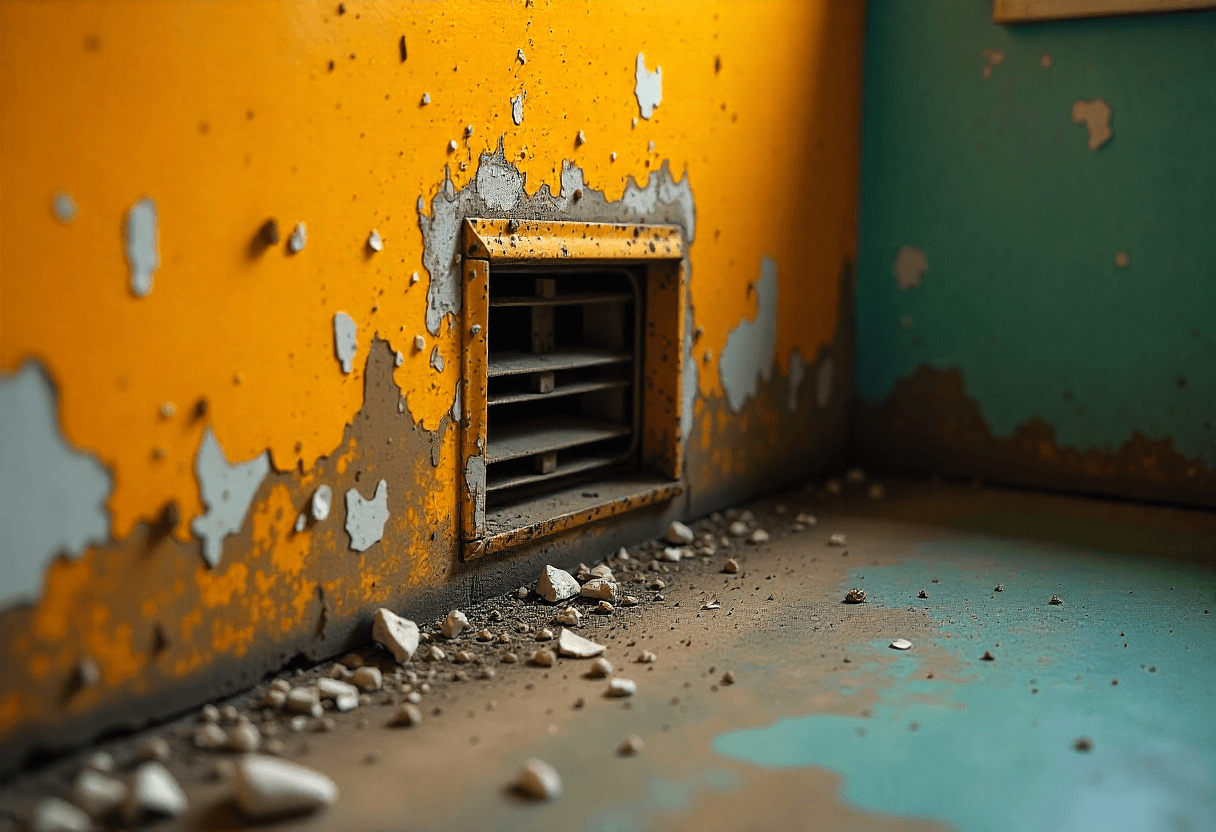
Mold and dirt buildup on an air vent cover in a bathroom.

Not sure whether you should tackle the mold in your air ducts yourself or bring in a professional?

In many cases, a simple air quality assessment can help you understand whether the mold is minor enough for DIY or if it’s spread deeper into the system.

You’re not alone as any homeowners struggle with this exact question, especially because mold can be sneaky, expensive, and a little scary too, 

Let me break it down and make it simple for you.

When to do DIY mold cleaning

1. The mold is limited to one or two vents

If it’s just a bit of visible surface mold on a vent cover or just inside the opening, and there’s no sign of it deeper in the system, you can likely handle it yourself.

2. You don’t smell mold throughout the house

Musty smells in multiple rooms may mean it’s spread through the duct system and that’s beyond DIY territory.

3. You have the right protective gear and cleaners

This isn’t a paper towel and Febreze job. You’ll need gloves, mask, eye protection, HEPA vac, and EPA-registered cleaner, plus the patience to do it safely and thoroughly.

4. You’re 100% confident it’s not toxic black mold

If it’s slimy, dark black, or greenish-black and you or anyone in the home has allergies or breathing issues, I strongly suggest you not risk it. That’s a job for a mold cleaning expert and you should let them tackle it. 

When to call an air duct cleaning professional

Let’s be honest: Mold in ductwork is a serious hazard for health and wellbeing. And it’s not just you at risk but also your family. 

Here are signs you should absolutely bring in a professional:

  • The mold keeps coming back, even after cleaning.
  • Musty smell spreads across multiple rooms.
  • People in your home have worsening asthma, allergies, or unexplained coughing.
  • There’s visible mold near the HVAC unit itself (blower motor, coils, drain pan, etc.).
  • You see water stains, rust, or standing moisture inside vents or near duct joints.
  • Your home recently had water damage, roof leaks, or a major humidity issue.

Here’s a quick comparison of DIY vs professional air duct cleaning

CriteriaDIY CleaningProfessional Remediation
CostLow ($30–$100 in supplies)Higher ($300–$2500+)
Best forSmall, surface-level moldWidespread or recurring mold
Tools usedBasic (HEPA vac, sprays)Commercial-grade (foggers, vacs)
RisksIncomplete removal, spreadMinimal (if certified company)
GuaranteeNoneOften includes warranty or report
Health protectionLimited (DIY gear)Full containment + PPE

Bottom line: You can absolutely try DIY mold removal if it’s a small, visible spot and you’re prepared to do it safely. But if there’s any doubt about the extent of mold contamination, don’t risk your health or HVAC system.

Clean-Air-Technologies's Logo
Angies Super Service
Accredited Business
Aeroseal

Schedule Your Free Estimate Today

Contact us to improve your indoor air
quality with our expert cleaning services in NJ.

Final words

Mold in your air ducts is a problem you shouldn’t ignore. That’s because it’s not just about the musty smell or black spots around your vents as mold can trigger allergies, worsen asthma, and spread spores through your entire HVAC system.

Now, if it’s just a small, surface-level patch, you know how to get rid of mold in air ducts by following a DIY process. You can:

  • Wear protective gear
  • Use an EPA-approved mold cleaner (never bleach)
  • Vacuum with a HEPA filter
  • Scrub gently and dry everything thoroughly
  • Replace your air filter

However, if mold is deep inside your ductwork, or if you keep smelling it even after cleaning, it’s time to call in the professionals.

Got more questions or looking to get your air ducts professionally cleaned? 

You can get in touch with us!

At Clean Air Technologies, we have been pioneering affordable and clean indoor air solutions for almost three decades now. From homeowners to businesses, and more, we serve all settings throughout New Jersey. 

In short, we’ve got all your indoor air quality requirements covered on a budget. 

FAQs about how to get rid of mold in air ducts

How can I tell if there’s mold in my air ducts?

Your air ducts likely have mold if you notice the following red flags: 

  • A persistent musty or mildew-like smell when the HVAC runs
  • Black, green, or white specks around your vents or inside duct openings
  • Worsening allergies or asthma symptoms at home
  • Recent water damage, flooding, or high humidity issues
  • Condensation or visible moisture around vents

If you’re unsure, I suggest hiring a mold inspection specialist to confirm it.

Is mold in air vents dangerous to my health?

It can be, especially for sensitive groups.

Mold spores may trigger:

  • Allergic reactions (sneezing, coughing, itchy eyes)
  • Asthma flare-ups
  • Headaches or fatigue
  • Skin irritation
  • Respiratory issues in infants, elderly, or immunocompromised individuals

Even non-toxic mold can cause problems if it’s allowed to grow unchecked and circulate through your home.

Can I use bleach to kill mold in air ducts?

You should not.

Bleach isn’t recommended for porous surfaces like duct insulation or drywall. It can corrode metal ductwork and doesn’t penetrate deeply enough to kill mold roots.

Instead, use an EPA-registered mold cleaner specifically made for HVAC-safe use. 

When in doubt, always err on the safe side — pros have the tools and antimicrobial sprays to fully eliminate the problem.

How much does professional mold removal from ducts cost?

On average, expect to pay between $400–$1,000+ for mold removal from air ducts. But the cost varies depending on:

  • Size of your HVAC system
  • Severity of mold growth
  • Whether duct insulation needs replacement
  • Your location and local service rates

Tip: Look for NADCA-certified air duct cleaners with mold remediation experience.

How do I prevent mold from coming back in my HVAC system?

Here’s how you can keep mold away for good:

  • Run a dehumidifier in humid areas (aim for less than 50% indoor humidity)
  • Change your HVAC filter every 1-3 months
  • Get annual HVAC maintenance as professionals can spot moisture issues early
  • Seal air leaks to prevent warm air from mixing with cold ducts
  • Keep vents clean and dry, especially in bathrooms, kitchens, and basements

Can mold in air ducts affect my pets?

Yes, just like humans can get sick because of dirty mold-infested air ducts, pets can also react to mold spores. 

If your dog or cat starts sneezing, scratching, or having respiratory symptoms, indoor mold could be a hidden culprit. 

Does Air Duct Cleaning Help With Allergies? Insights From Health Experts

Homes are supposed to be safe havens for people with allergies. But a lot of people tell me they suffer almost year-round allergic reactions at home.

This, they say, happens even when the windows are closed and their home feels clean.

So what’s going on here?

Well, one sneaky culprit could be the air ducts. 

That’s because when your air ducts are full of dust, pet hair, mold, or other irritants, they also spread these allergens and make you feel miserable.

Now, a lot of homeowners suggest their allergic reactions significantly after air duct cleaning.

And that brings us to one question: Does air duct cleaning help with allergies or is it a waste of money?

The truth is, it depends.

In some cases, cleaning the ducts can make a huge difference, while in others, it might not help at all.

In this article, I will help you figure out when duct cleaning is worth it for your home and health and when it isn’t effective.

Let’s get started.

Key takeaways 

  • Indoor allergies are common even in clean-looking homes.
  • Dust, pet hair, mold, and other allergens can build up inside air ducts.
  • Duct cleaning can help, but only if those allergens are in the ducts.
  • It won’t help if the allergy sources are carpets, furniture, or bedding.
  • Poorly done duct cleaning can make allergies worse.
  • If it’s been 5+ years since your last cleaning, it might be time.
  • Pet owners, allergy sufferers, and recently renovated homes benefit most.
  • HEPA filters, UV lights, and dehumidifiers are also great for air quality.
  • Spring or Fall is the best time to clean ducts.
  • Always hire a certified, professional company. 

How do dirty air ducts trigger allergies?

Child sitting in a cluttered indoor environment, appearing uncomfortable, illustrating potential allergy symptoms caused by poor indoor air quality.

Before we dive into duct cleaning, let’s quickly talk about what allergies are and how dirty air ducts trigger them.

Allergies happen when your body overreacts to something harmless.

Here, instead of ignoring things like dust or pollen, your immune system treats them like a threat. And this is when sneezing, watery eyes, runny nose, and itchy throat kick in.

Now, a lot of these allergy triggers are inside your home’s air ducts. They include:

  • Dust mites (tiny bugs that live in dust)
  • Pet dander (tiny flakes of skin from dogs and cats)
  • Mold spores
  • Pollen that sneaks in through windows or doors
  • Cockroach droppings (gross, but real)

Over time, these allergens build up and get stirred around as you use your HVAC system.

Worse, they can stay in the air you breathe all day long. And that’s exactly why some people feel sick indoors because of their air ducts.

Clean-Air-Technologies's Logo
Angies Super Service
Accredited Business
Aeroseal

Schedule Your Free Estimate Today

Contact us to improve your indoor air
quality with our expert cleaning services in NJ.

Does air duct cleaning help with allergies?

Let’s cut to the chase.

Yes, air duct cleaning can help with allergies. But only if they are part of the problem.

You see, if your ductwork is full of dust, pet hair, mold, or other allergens, then cleaning it out can definitely make a huge difference.

However, if your ducts are already clean and your allergies are coming from somewhere else, like carpets or bedding, then cleaning them probably won’t do much.

I’ve detailed when duct cleaning really helps and when it doesn’t. 

When does air duct cleaning help with allergies?

Home service professional in blue uniform cleaning an air vent with tools and a cloth near a bright window, illustrating steps to enhance indoor air quality and reduce household allergens.

Air duct cleaning can help reduce allergic reactions in a lot of situations. More so if it’s been a while since you last got the ducts cleaned. 

Here are the most common situations where cleaning your air ducts can offer real allergy relief:

1. If your ducts are dusty 

Dust isn’t just on your shelves, it also collects inside air ducts. And it gets blown back into your rooms every time the HVAC system runs. 

For people with allergies, this means sneezing, itchy eyes, and poor air quality.

Thankfully, duct cleaning removes all that trapped dust and fine particles from the system. So when the air flows again, it’s cleaner, fresher, and has fewer allergens. 

2. If your ducts are full of pet dander

Got pets at home? 

If yes, your ducts might be full of their hair and dander. 

Here’s why:

In homes with dogs or cats, fur and dander easily settle inside air ducts. So, every time you turn on heating or cooling, allergen-filled air flows inside, triggering allergic reactions and leaving people sneezing. 

Now, a good duct cleaning removes that trapped pet mess and helps the air feel fresher. It’s a relief for allergy sufferers, especially in the mornings or while sleeping when allergic reactions peak.

3. If you had renovation or construction work done recently 

Construction creates a ton of dust which includes drywall particles, sawdust, insulation bits. And a lot of that ends up in your HVAC ducts.

This leftover debris can circulate throughout your home for weeks, worsening allergies. 

So, if your home was recently remodeled, cleaning your air ducts is essential to stop the debris from circulating through your rooms.

4. If there’s mold or moisture in the system

Mold can grow inside air ducts when there’s a lot of humidity or moisture. This is a serious trigger for many allergy sufferers. 

So, if you smell something musty when the HVAC is on, or you’ve had past water damage, I suggest you get a duct inspection done. And if mold is found, you should get the ducts cleaned right away. 

5. If it’s been over five years since the last duct clean-up

Dust settles in your ductwork over the years. And experts suggest cleaning them at-least every 5 to 7 years, especially if someone in the home has asthma or allergies. 

After all, regular cleaning removes all built-up dust, pollen, and debris, making it easier to breathe. 

In short: Here’s when air duct cleaning helps with allergies

SituationWhy It Helps
Ducts are dustyRemoves particles that get blown back into rooms
Ducts have pet dander or hairClears out allergens from pets that trigger sneezing and irritation
Recent renovation workRemoves drywall dust, sawdust, and debris that circulate through the system
Mold or moisture in ductsEliminates mold spores and damp smells that worsen allergies
Haven’t cleaned ducts over five yearsGets rid of years’ worth of allergen buildup

When air duct cleaning doesn’t help with allergies?

Technician in blue coveralls using specialized equipment to sanitize air ducts near a window, demonstrating allergy prevention and indoor air quality improvement.

Air duct cleaning isn’t a miracle cure. and in some cases, it might not help at all.

Here’s when duct cleaning might not help at all:

1. If the problem is somewhere else

Allergens don’t just live in air ducts. That’s because allergy triggers can also come from things like:

  • Dirty carpets or rugs
  • Bedding that’s not washed frequently
  • Curtains or fabric furniture
  • Poor outdoor air quality sneaking in

In these cases, duct cleaning alone won’t solve the problem.

2. If your ducts are already clean

Some homes just don’t have a serious buildup in their HVAC system. This is especially true for newer homes or ones with regular filter changes and maintenance. 

Here, cleaning the ducts might not make any noticeable difference.

3. If the job Is done poorly

Sometimes, unqualified duct cleaners can actually make things worse by stirring up dust and not fully removing it. 

This can leave allergens floating in the air and make your symptoms even more intense.

In short: Here’s when air duct cleaning doesn’t help with allergies

ScenarioWhy It Doesn’t Help
Allergens are in carpets/furnitureDucts aren’t the source and surface cleaning is needed
Ducts are already cleanNo buildup to remove = no real difference
Poor-quality cleaning jobDust gets stirred up but not removed, making air quality worse

Can air duct cleaning worsen allergy symptoms?

Technician cleaning air ducts in a sunlit living room for better indoor air quality.

Yes, air duct cleaning can actually make allergies worse in some cases.

Surprising as it might sound, it happens when the job is done poorly or by someone who’s not properly trained.

Here’s how:

1. Dust gets stirred up but not removed

If the cleaner uses weak equipment or skips steps, they might just loosen all the dust and allergens inside the ducts without fully vacuuming them out. 

The dust then blows straight into your living space, making symptoms even worse and exposing you to other dangers of indoor air pollution.

2. Chemical cleaners can trigger reactions

Some companies use harsh chemicals or strong disinfectants to sanitize ducts. 

But if those fumes linger or aren’t fully rinsed out, they can irritate your lungs, especially if you have asthma or chemical sensitivities.

3. Mold spores are not handled properly

If mold is present and not removed the right way (with containment and filtration), spores can actually get released into the air during cleaning. And this is the exact opposite of what you want.

In short: Here’s when duct cleaning can make the situation worse 

MistakeEffect
Dust not fully removedCirculates allergens into the air
Use of harsh chemicalsIrritates lungs, especially in people with asthma or chemical sensitivity
Mold not handled properlyReleases spores into the air, making allergy reactions worse 

Bonus: Here are some other ways to reduce allergy reactions at home

Duct cleaning can help with allergies. But it’s just one piece of the puzzle. 

Here are some other simple things you can do to breathe easier at home:

1. Use HEPA filters

Install HEPA filters in your HVAC system and vacuum cleaners. They catch tiny particles like dust, pollen, and dander that regular filters can miss.

2. Install a UV light in your ductwork

UV lights can kill mold spores and bacteria as air flows through the system. And this is especially helpful in humid climates.

3. Run a dehumidifier

Mold and dust mites thrive in moist air and trigger allergic reactions. So, use a dehumidifier to keep your indoor humidity around 30–50 percent as it makes it harder for them to survive.

4. Vacuum and dust regularly

Use a vacuum with a HEPA filter, and clean surfaces at least once a week. Also, don’t forget to get under the furniture and behind vents while vacuuming.

5. Replace HVAC filters 

Check your air filters monthly and replace them every 1-3 months, especially if you have pets or allergies.

6. Use air purifiers 

Place air purifiers in bedrooms, living rooms, or anywhere you spend the most time.

Clean-Air-Technologies's Logo
Angies Super Service
Accredited Business
Aeroseal

Schedule Your Free Estimate Today

Contact us to improve your indoor air
quality with our expert cleaning services in NJ.

To sum up 

By now, you know when does air duct cleaning help with allergies and when it doesn’t.

You see, if your air ducts are full of dust, pet dander, or mold, cleaning them out can lead to noticeable allergy relief. 

But if the real problem is coming from carpets, furniture, or the great outdoors, then duct cleaning might not do much on its own.

That’s why I suggest you do the following:

  • Look for the signs
  • Start with an inspection
  • Use duct cleaning as part of a bigger indoor air quality improvement plan
  • Don’t skip air vent cleaning when cleaning the ducts 

Got more questions or need to schedule air duct cleaning in your home or business? 

You can get in touch with us!
At Clean Air Technologies, we are seasoned HVAC maintenance experts with nearly three decades of expertise. And we’ve got all your air duct cleaning requirements covered on a budget. 

FAQs about air duct cleaning and allergies

Does duct cleaning cure allergies?

No, it doesn’t cure allergies. 

But it can reduce the triggers that make them worse, especially if your ducts are full of dust, mold, or pet dander.

How often should I get my air ducts cleaned?

Most homes should have ducts cleaned every 2-3 years. And if it’s been over five years, you should schedule a cleaning right away.

Also, if you have pets, allergies, or a recent renovation, you might need it more often.

Can duct cleaning help with pet allergies?

Yes! 

Pet hair and dander can collect inside ducts. So, cleaning them out helps reduce what’s blowing into your rooms.

What if my allergies got worse after duct cleaning?

It likely means the job was done poorly and dust might have been stirred up but not removed. This is why it’s so important to hire certified and experienced pros.

Is duct cleaning safe for people with asthma or severe allergies?

Yes, but only if it’s done correctly. 

In fact, many asthma and allergy specialists recommend it along with other air quality improvements.

What’s the best time of year to do it?

Spring and fall are ideal. That’s because you’re switching between heating and cooling, and it’s a good time to clean out whatever has built up in between seasons.

Can Dirty Air Ducts Make You Sick? Here’s What Health Experts Say

Have you ever noticed that you feel a little off when you’re at home? 

Maybe you’re always sneezing, waking up with a stuffy nose, or feeling extra tired for no clear reason. 

And yet when you leave the house, you start to feel better.

Strange, right?

Well, the air inside your home might be part of the problem.

You see, most of us don’t think twice about our air ducts, at least as long as the HVACs are working.

Over time, these ducts can collect dust, mold, pet hair, pollen, and even bacteria, which gets blown right back into the air you breathe.

But can dirty air ducts make you sick? 

The Environmental Protection Agency and most other health experts say they can.

This is exactly what I am going to break down in this article. Here, you’ll learn:

  • What happens when air ducts get dirty
  • How they can affect your health
  • Stories from people who’ve experienced it
  • Simple signs to look out for
  • And how to keep your home’s air clean and healthy

So, let’s get started.

Key takeaways

  • Dirty air ducts can collect dust, mold, pet dander, and bacteria over time
  • These contaminants can cause breathing problems, allergies, headaches, fatigue, and more
  • If you feel sick only when you’re at home, your air ducts might be the reason
  • Visible mold, pest activity, and dust blowing from vents are major red flags
  • You don’t need to clean ducts regularly but only when there’s a real issue
  • People with asthma, allergies, or weak immunity are more affected by dirty ducts
  • Bad indoor air can lead to Sick Building Syndrome, especially in older homes
  • Always verify the duct cleaning service and avoid scare tactics and fake discounts

What happens when your air ducts get dirty?

Technician in casual clothes inspecting dusty insulation and debris buildup in an attic, searching for signs of dirty air ducts.

Your home’s air ducts are part of the HVAC system that keeps air flowing, regulates indoor temperature, and maintains comfortable ambient temperature year-round. 

But just like any electrical or mechanical equipment in your home, these ducts can get dirty over time.

How?

Well, think about all the stuff floating around your home like dust, pet hair, pollen, tiny bits of dirt, even dead skin cells. All of that gets pulled into your HVAC system and can settle inside the ductwork.

In fact, if you haven’t a professional air duct cleaning in a while, here’s what might be building up inside:

  • Dust and dirt from daily life
  • Pet dander from your furry friends
  • Mold and mildew (especially in damp or humid areas)
  • Pollen that sneaks in from outside
  • Insects or rodent droppings (yikes, but it happens!)
  • Old construction debris if your home was recently remodeled

Now, every time your heat or AC kicks on, it can blow some of that stuff right back into the air you breathe.

You may not always see it, but you could be inhaling particles that irritate your lungs, trigger allergies, or even make you feel sick.

And the worst part? 

Most people have no idea it’s happening.

In short: Here’s what builds up in dirty ducts

Debris TypeWhere It Comes From
Dust and dirtEveryday life inside the home
Pet hair & danderDogs, cats, etc.
Mold & mildewHumidity, leaks, or moisture
PollenAir from windows, doors, shoes
Rodent/insect droppingsPest problems in ducts
Construction dustFrom remodeling or repairs
Clean-Air-Technologies's Logo
Angies Super Service
Accredited Business
Aeroseal

Schedule Your Free Estimate Today

Contact us to improve your indoor air
quality with our expert cleaning services in NJ.

Can dirty air ducts make you sick?

The short answer is, it depends on how dirty your ducts are.  

As per the Environmental Protection Agency or EP, there’s no solid proof that simply having dust in your air ducts is making you sick. 

However, the EPA does say there are a few clear cases when a dirty duct can be dangerous, including when:

  • There’s visible mold inside the ducts
  • Pests (like mice or insects) have gotten into the system
  • Dust or debris is actually blowing out of the ducts into your rooms

In these situations, the air coming through your ducts isn’t just dusty, it could be carrying stuff that’s harmful to breathe in.

In fact, HVAC professionals and air quality experts agree. They say air duct cleaning shouldn’t be done just because you have one of those red flag issues above. 

After all, clean ducts can make a real difference in how your home feels and how you feel inside it.

Simply put, if your air ducts look fine and you’re not having any health symptoms, you probably don’t need to clean them. But if your home has a musty smell, you’re getting sick more often, or you see mold, it’s time to get them cleaned.

How can dirty air ducts make you sick?

Now that we’ve talked about what collects in your air ducts and when it’s time to worry, let’s see how can dirty vents make you sick.

You see, all that hidden dust, mold, and debris isn’t just gross, it can seriously affect your body.

Here are the health problems they can cause:

SymptomWhy It Happens
Breathing issuesDust and mold irritate your lungs
Sneezing & itchy eyesAllergens get blown into the air
Frequent colds/infectionsBacteria and mold weaken your immunity
Headaches or brain fogPoor air = less oxygen to your brain
Allergy flare-upsDander, dust, and pollen spread through vents

1. Breathing problems

If your air ducts are full of dust, mold, or pet hair, your lungs take a toll. 

How?

Breathing in such air day after day can make your chest feel tight, leave you coughing or wheezing, and even make it hard to catch your breath. 

Even worse, if you have asthma, it might trigger flare-ups more often. 

Here’s one major clue you should pay attention to: Your breathing feels better when you’re out of the house, but worse at home. 

This could be your ducts affecting your lungs. 

2. Allergy-like reactions

Do you sneeze a lot at home but feel fine everywhere else? 

Well, dirty ducts could be the culprit in this case too. 

That’s because allergens like pollen, dust mites, and pet dander build up in the ducts over time. And when you turn the heating or cooling on, these irritants get blown through your house. 

This can leave you with itchy eyes, a runny nose, sneezing fits, or even random skin rashes. 

What’s worse?

Even if you’ve never had allergies before, dirty ducts can still trigger these reactions. 

3. More frequent colds or infections

Does it feel like you’re always getting sick? 

More likely than not your air ducts are part of the problem. 

How?

Mold spores, bacteria, and viruses can build up in your ductwork and get spread throughout your home. And this means your immune system is constantly under attack. 

Now, as your immunity weakens over time, you might catch colds more often and they’ll take forever to go away. 

In fact, some people even ended up with bronchitis or sinus infections more easily. They say they felt like their house was making them sick until they had their ducts cleaned. 

4. Headaches, fatigue, and brain fog

Poor air quality doesn’t just affect your body, it messes with your mind, too. 

So, when your ducts are pushing out dirty air, it can reduce the amount of clean oxygen you’re breathing. This can leave you feeling sluggish, dizzy, or like your brain’s in a fog. 

Some symptoms include constant low-grade headaches that just won’t quit, or feeling off when you’re home. 

After all, your brain needs fresh air to function at its best. And if it’s not getting it, you’ll definitely feel it in your energy, focus, and mood.

5. Worsening of existing conditions

If you or someone in your home already struggles with a health condition, like asthma, COPD, or severe allergies, dirty air ducts can make things way worse. So much so that you might find yourself using your inhaler more, needing extra allergy meds, or having more flare-ups than usual. 

That’s because poor indoor air quality puts extra stress on your body. And this is especially tough for kids, seniors, or anyone with a weaker immune system. 

Bonus: Here’s a Reddit user’s experience with dirty ducts

Since we’ve moved here, my significant other has been experiencing increased allergy/sinus symptoms, from fatigue/headaches, to a sore throat.

Reddit user on r/hvacadvice

How to tell if your air ducts are making you sick?

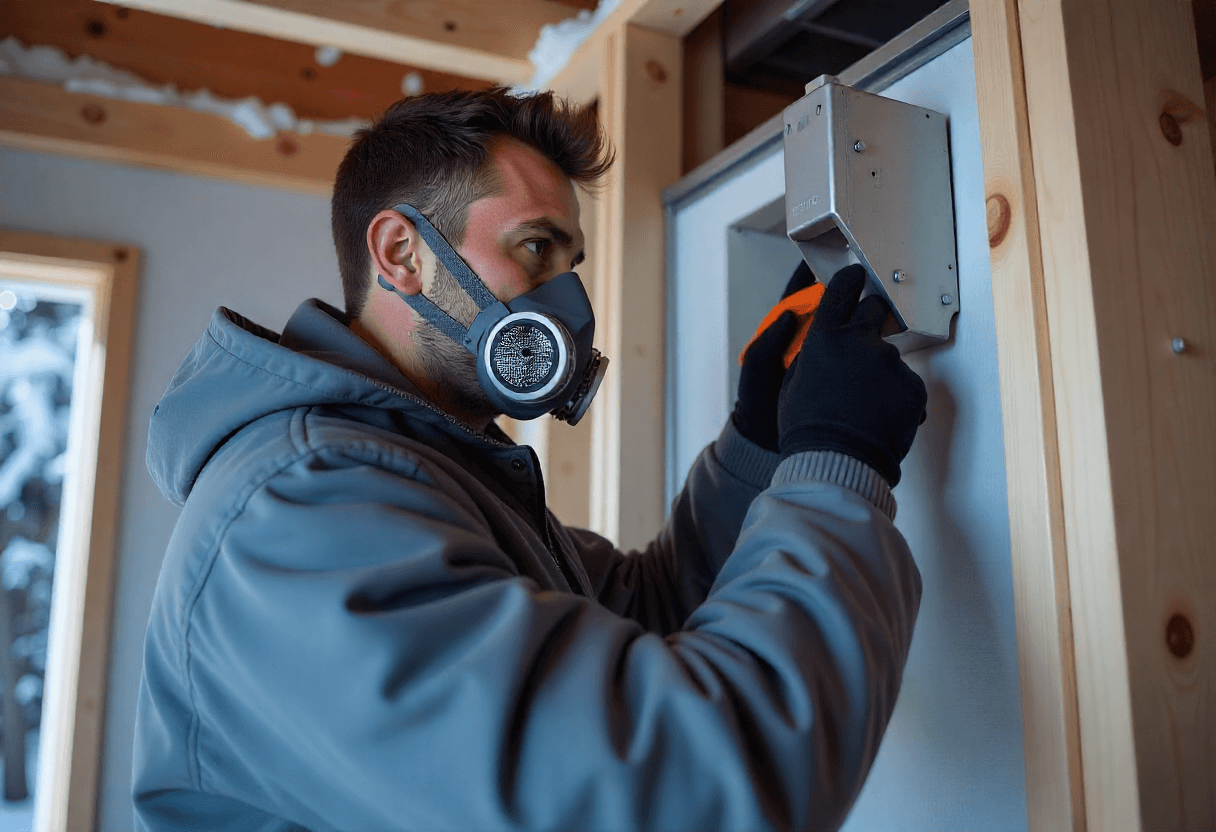
HVAC professional in blue uniform and gloves carefully checking the inside of a wall air duct for accumulated dirt and blockages.

So far, you know that dirty air ducts can indeed make you sick. 

But it’s important you know how your air ducts really make you sick. This will help you put a finger on those annoying sniffles, headaches, or weird smells in your home. 

Overall, here are some clear signs that your ducts might be making you sick:

SignWhat It Means
You feel sick only at homeIndoor air quality is poor
Musty smell when air turns onMold or bacteria in vents
Dust everywhere despite cleaningDucts are circulating particles
Recurring sore throat or sinus issuesPossibly mold or bacteria exposure
Visible dust/mold around ventsTime to clean the system
You had pests or leaks in the pastHigh chance of contaminated ducts

1. You feel worse at home and better when you leave

This is probably the biggest clue.

If you constantly feel congested, tired, or foggy only when you’re at home, your indoor air might be the culprit. 

And if you go to work or leave town and feel fine, that’s a big red flag about your air ducts, something you shouldn’t ignore. 

2. There’s a musty or dusty smell when the air turns on

If your home smells clean until heating or cooling kicks in, that could be mold or bacteria in your ducts. 

A musty or mildew-like smell is often a sign of moisture and microbial buildup inside the system.

3. There’s dust everywhere despite regular cleaning

If you wipe down surfaces and they’re dusty again a day later, your ducts might be blowing particles into the air every time your system runs. 

And this is also a sign that you’re exposed to dust, and, thus, sickness. 

It is simple: More dust in the air = more to breathe in.

4. You’re getting unexplained sickness more often

I am talking about the following symptoms:

  • Recurring colds
  • Sinus infections
  • Bronchitis
  • Sore throats
  • Headaches

These could all be connected to bacteria, allergens, or mold spores circulating through dirty ducts.

5. You see mold, dust, or black marks around your ducts

Take a flashlight and look at your vent grilles or inside the ducts if you can.

  • Do you see black or green spots or any other sign of mold? 
  • Do your ducts have thick dust buildup around the edges?
  • Is there any visible gunk blowing out when the air runs?

These are all strong indicators that your ducts are making you sick. 

6. You’ve had pests or water leaks in the past

If you’ve ever dealt with:

  • Rodents or insects in the home
  • Flooding, roof leaks, or water damage
  • High humidity in your basement or crawlspace

There are chances that your ducts might be infected and affecting your health even without you knowing it. 

When to clean your air ducts (and when not to)?

A man in glasses inspects dusty insulation in an attic with a flashlight, highlighting the importance of detecting dust and contaminants in air ducts.

Let’s be real: Not everyone needs their air ducts cleaned. And not every company that says you do is telling the full truth.

So how do you know when you need duct cleaning and when it’s just a waste of money?

You should clean your air ducts if:

1. There’s visible mold in or around your ducts

If you can see black or greenish spots inside the ducts or on your grilles, this is likely mold. Mold spores can easily spread through your air and cause health issues.

2. You’ve had pests in your ducts

Mice, rats, insects, etc., love crawling into ductwork. And they leave behind droppings, hair, and sometimes even carcasses (gross, but true). All of that can make you sick.

3. You’ve just done a major renovation

Drywall dust, sawdust, and paint fumes can get sucked into your system during remodeling and stay there. So, post-renovation is a great time for duct cleaning.

4. Debris is blowing out of the ducts

If you see puffs of dust come out when the HVAC kicks on, that’s not normal. Your system is dirty and it’s throwing all that gunk into the air you breathe.

5. You or someone in your home has ongoing health issues

If someone in your family has asthma, allergies, or breathing trouble, and nothing seems to help, cleaning the ducts may bring relief. More so if your HVAC system hasn’t been cleaned in years.

You don’t need to clean if:

  • Your ducts are clean and dust-free
  • You’re not having any strange smells or health issues
  • There’s no sign of mold, pests, or visible buildup
  • You’ve recently changed filters and everything is working fine

In short: 

Clean If…No Need If…
Visible mold is presentVents look clean, no odor
You’ve had mice/insectsNo history of pests
After major renovationsNo recent construction
Dust blows out of ventsFilters are clean and working
Someone has breathing problemsEveryone feels fine, no signs

Bonus: Red flag you should not ignore when hiring a cleaning professional

If a duct cleaning company says you have to clean every year, or uses scary language like “toxic buildup” without showing you proof, take a step back. 

In these situations, I suggest you ask for photos or a visual inspection before agreeing to anything.

Can dirty air ducts cause Sick Building Syndrome?

Three people wearing masks stand in a corridor lined with closed trash bins, illustrating concerns about indoor cleanliness and air quality.

You’ve probably heard of buildings that just feel off. These are places where people always seem tired, sneezy, or unwell for no obvious reason. 

This is what experts call Sick Building Syndrome or SBS.

And yes, dirty air ducts can definitely play a part. 

Let’s understand how.

What Is Sick Building Syndrome?

Sick Building Syndrome is when people inside a building, usually an office or home, start to experience health problems that seem to go away once they leave.

Symptoms often include:

  • Headaches
  • Dizziness
  • Fatigue
  • Dry eyes or throat
  • Sneezing and congestion
  • Difficulty focusing

What causes it? 

Poor indoor air quality.

That’s because things like mold, chemical fumes, dirty filters, or unclean ducts can all lower the air quality inside a building, even if it looks clean on the surface.

Where do air ducts enter the picture?

Air ducts are part of the problem because they:

  • Circulate mold spores
  • Blow dust and allergens through every room
  • Trap old smoke, chemical fumes, or pet dander
  • Create air that feels “stale” or low in oxygen

So if your ducts are full of gunk, and your air system just keeps cycling it around, it’s not hard to see how you could start to feel off.

In short: Here’s how dirty air ducts cause Sick Building Syndrome

SymptomPossible Cause
Headaches & fatigueLow air quality, stale air
Sneezing, runny noseAllergens in ducts
Brain fogLack of fresh air circulation
Throat or eye irritationMold, dust, or chemical residue

Can dirty air ducts make you sick: Myths vs reality

We often hear people say things like, “just clean the ducts and your allergies will be gone.” Or maybe they say, “if you don’t see dust, it’s probably clean.”

Now, a lot of these claims are not true. But some of them might well be. 

So, let’s bust some common air duct myths once and for all:

Cleaning ducts will fix your allergies: Myth!

Duct cleaning can help reduce allergens, but it’s not a cure-all. That’s because allergies can come from pets, fabrics, dust, and outdoor air too. 

So, if you’re allergic to something that’s already everywhere in your home, duct cleaning is just one part of the puzzle.

If I don’t see dirt, it’s clean: Myth!

The real mess is often hidden deep inside your ductwork. Meaning just because you got vent cleaning and it looks fine doesn’t mean there isn’t dust, mold, or droppings further down the line.

Duct cleaning improves HVAC efficiency: Fact!

If your system is clogged with dust and gunk, cleaning can definitely improve airflow and reduce strain on your HVAC. 

But if your ducts are already fairly clean, you probably won’t see a huge difference.

All duct cleaners are the same: Myth!

Some are professionals. Others are just guys with vacuums. 

Look for NADCA-certified technicians and avoid companies that make wild health claims or offer suspiciously low prices. 

Clean-Air-Technologies's Logo
Angies Super Service
Accredited Business
Aeroseal

Schedule Your Free Estimate Today

Contact us to improve your indoor air
quality with our expert cleaning services in NJ.

Conclusion

By now, you know that dirty air ducts can indeed make you sick. This is especially true if:

  • You have allergies or asthma
  • There’s mold, pests, or dust buildup in the vents
  • You notice weird smells, more sneezing, or visible grime

But not every vent needs to be scrubbed.

If you take care of your HVAC system, replace filters, and keep the area around vents clean, you’re already ahead of the game.

Got more questions or want to get your home’s air ducts cleaned?

You can get in touch with us!

At Clean Air Technologies, we are seasoned indoor air quality professionals with decades of experience cleaning air ducts and restoring indoor air quality across New Jersey. And we’ve got all your air duct cleaning and maintenance requirements covered on a budget. 

Frequently asked questions

Can I clean air vents myself?

Yes, to an extent.

You can vacuum around the vent covers, wipe them down, and replace filters.

But for deep duct cleaning, you’ll need professional-grade tools and training.

Are duct cleaning services worth the money?

Sometimes, yes.

If you’ve had pets, remodeling, mold, or allergy flare-ups, duct cleaning can help a lot.

Just avoid companies with scare tactics or crazy-low prices.

Do air purifiers help with dirty vents?

They don’t clean your ducts, but they do help with indoor air quality overall.

Use a purifier in high-traffic rooms or near pets for an extra layer of protection.

What’s the best filter for allergies?

HEPA filters are great for those who have allergies. They trap smaller particles like pollen and pet dander.

However, make sure your HVAC system can handle them (some older systems can’t).

Can dirty vents affect pets?

Yes!

Pets breathe the same air we do. And they’re often more sensitive to dust, mold, and poor ventilation. 

If your pet seems to cough, wheeze, or shed more, the air could be a factor.