Clean-Air-Technologies's logo

Does Air Duct Cleaning Help With Allergies? Insights From Health Experts

Homes are supposed to be safe havens for people with allergies. But a lot of people tell me they suffer almost year-round allergic reactions at home.

This, they say, happens even when the windows are closed and their home feels clean.

So what’s going on here?

Well, one sneaky culprit could be the air ducts. 

That’s because when your air ducts are full of dust, pet hair, mold, or other irritants, they also spread these allergens and make you feel miserable.

Now, a lot of homeowners suggest their allergic reactions significantly after air duct cleaning.

And that brings us to one question: Does air duct cleaning help with allergies or is it a waste of money?

The truth is, it depends.

In some cases, cleaning the ducts can make a huge difference, while in others, it might not help at all.

In this article, I will help you figure out when duct cleaning is worth it for your home and health and when it isn’t effective.

Let’s get started.

Key takeaways 

  • Indoor allergies are common even in clean-looking homes.
  • Dust, pet hair, mold, and other allergens can build up inside air ducts.
  • Duct cleaning can help, but only if those allergens are in the ducts.
  • It won’t help if the allergy sources are carpets, furniture, or bedding.
  • Poorly done duct cleaning can make allergies worse.
  • If it’s been 5+ years since your last cleaning, it might be time.
  • Pet owners, allergy sufferers, and recently renovated homes benefit most.
  • HEPA filters, UV lights, and dehumidifiers are also great for air quality.
  • Spring or Fall is the best time to clean ducts.
  • Always hire a certified, professional company. 

How do dirty air ducts trigger allergies?

Child sitting in a cluttered indoor environment, appearing uncomfortable, illustrating potential allergy symptoms caused by poor indoor air quality.

Before we dive into duct cleaning, let’s quickly talk about what allergies are and how dirty air ducts trigger them.

Allergies happen when your body overreacts to something harmless.

Here, instead of ignoring things like dust or pollen, your immune system treats them like a threat. And this is when sneezing, watery eyes, runny nose, and itchy throat kick in.

Now, a lot of these allergy triggers are inside your home’s air ducts. They include:

  • Dust mites (tiny bugs that live in dust)
  • Pet dander (tiny flakes of skin from dogs and cats)
  • Mold spores
  • Pollen that sneaks in through windows or doors
  • Cockroach droppings (gross, but real)

Over time, these allergens build up and get stirred around as you use your HVAC system.

Worse, they can stay in the air you breathe all day long. And that’s exactly why some people feel sick indoors because of their air ducts.

Clean-Air-Technologies's Logo
Angies Super Service
Accredited Business
Aeroseal

Schedule Your Free Estimate Today

Contact us to improve your indoor air
quality with our expert cleaning services in NJ.

Does air duct cleaning help with allergies?

Let’s cut to the chase.

Yes, air duct cleaning can help with allergies. But only if they are part of the problem.

You see, if your ductwork is full of dust, pet hair, mold, or other allergens, then cleaning it out can definitely make a huge difference.

However, if your ducts are already clean and your allergies are coming from somewhere else, like carpets or bedding, then cleaning them probably won’t do much.

I’ve detailed when duct cleaning really helps and when it doesn’t. 

When does air duct cleaning help with allergies?

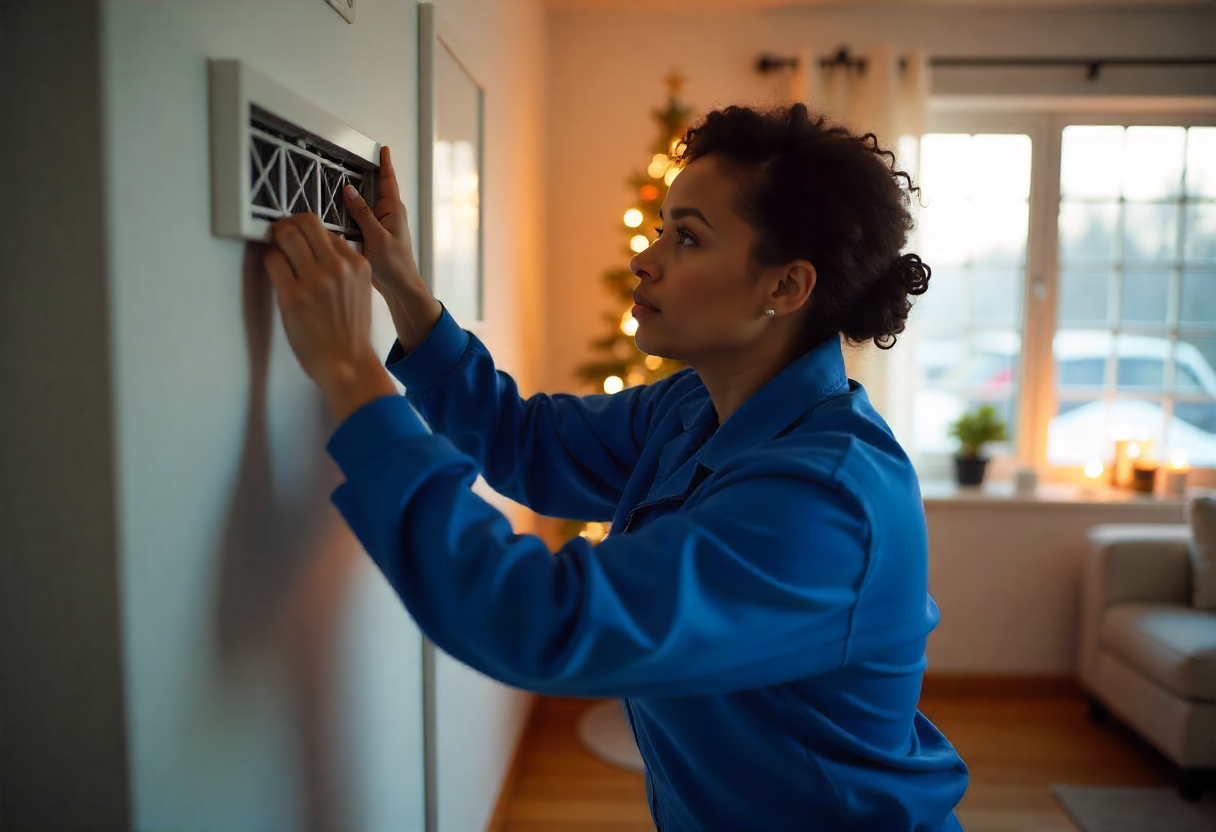
Home service professional in blue uniform cleaning an air vent with tools and a cloth near a bright window, illustrating steps to enhance indoor air quality and reduce household allergens.

Air duct cleaning can help reduce allergic reactions in a lot of situations. More so if it’s been a while since you last got the ducts cleaned. 

Here are the most common situations where cleaning your air ducts can offer real allergy relief:

1. If your ducts are dusty 

Dust isn’t just on your shelves, it also collects inside air ducts. And it gets blown back into your rooms every time the HVAC system runs. 

For people with allergies, this means sneezing, itchy eyes, and poor air quality.

Thankfully, duct cleaning removes all that trapped dust and fine particles from the system. So when the air flows again, it’s cleaner, fresher, and has fewer allergens. 

2. If your ducts are full of pet dander

Got pets at home? 

If yes, your ducts might be full of their hair and dander. 

Here’s why:

In homes with dogs or cats, fur and dander easily settle inside air ducts. So, every time you turn on heating or cooling, allergen-filled air flows inside, triggering allergic reactions and leaving people sneezing. 

Now, a good duct cleaning removes that trapped pet mess and helps the air feel fresher. It’s a relief for allergy sufferers, especially in the mornings or while sleeping when allergic reactions peak.

3. If you had renovation or construction work done recently 

Construction creates a ton of dust which includes drywall particles, sawdust, insulation bits. And a lot of that ends up in your HVAC ducts.

This leftover debris can circulate throughout your home for weeks, worsening allergies. 

So, if your home was recently remodeled, cleaning your air ducts is essential to stop the debris from circulating through your rooms.

4. If there’s mold or moisture in the system

Mold can grow inside air ducts when there’s a lot of humidity or moisture. This is a serious trigger for many allergy sufferers. 

So, if you smell something musty when the HVAC is on, or you’ve had past water damage, I suggest you get a duct inspection done. And if mold is found, you should get the ducts cleaned right away. 

5. If it’s been over five years since the last duct clean-up

Dust settles in your ductwork over the years. And experts suggest cleaning them at-least every 5 to 7 years, especially if someone in the home has asthma or allergies. 

After all, regular cleaning removes all built-up dust, pollen, and debris, making it easier to breathe. 

In short: Here’s when air duct cleaning helps with allergies

SituationWhy It Helps
Ducts are dustyRemoves particles that get blown back into rooms
Ducts have pet dander or hairClears out allergens from pets that trigger sneezing and irritation
Recent renovation workRemoves drywall dust, sawdust, and debris that circulate through the system
Mold or moisture in ductsEliminates mold spores and damp smells that worsen allergies
Haven’t cleaned ducts over five yearsGets rid of years’ worth of allergen buildup

When air duct cleaning doesn’t help with allergies?

Technician in blue coveralls using specialized equipment to sanitize air ducts near a window, demonstrating allergy prevention and indoor air quality improvement.

Air duct cleaning isn’t a miracle cure. and in some cases, it might not help at all.

Here’s when duct cleaning might not help at all:

1. If the problem is somewhere else

Allergens don’t just live in air ducts. That’s because allergy triggers can also come from things like:

  • Dirty carpets or rugs
  • Bedding that’s not washed frequently
  • Curtains or fabric furniture
  • Poor outdoor air quality sneaking in

In these cases, duct cleaning alone won’t solve the problem.

2. If your ducts are already clean

Some homes just don’t have a serious buildup in their HVAC system. This is especially true for newer homes or ones with regular filter changes and maintenance. 

Here, cleaning the ducts might not make any noticeable difference.

3. If the job Is done poorly

Sometimes, unqualified duct cleaners can actually make things worse by stirring up dust and not fully removing it. 

This can leave allergens floating in the air and make your symptoms even more intense.

In short: Here’s when air duct cleaning doesn’t help with allergies

ScenarioWhy It Doesn’t Help
Allergens are in carpets/furnitureDucts aren’t the source and surface cleaning is needed
Ducts are already cleanNo buildup to remove = no real difference
Poor-quality cleaning jobDust gets stirred up but not removed, making air quality worse

Can air duct cleaning worsen allergy symptoms?

Technician cleaning air ducts in a sunlit living room for better indoor air quality.

Yes, air duct cleaning can actually make allergies worse in some cases.

Surprising as it might sound, it happens when the job is done poorly or by someone who’s not properly trained.

Here’s how:

1. Dust gets stirred up but not removed

If the cleaner uses weak equipment or skips steps, they might just loosen all the dust and allergens inside the ducts without fully vacuuming them out. 

The dust then blows straight into your living space, making symptoms even worse and exposing you to other dangers of indoor air pollution.

2. Chemical cleaners can trigger reactions

Some companies use harsh chemicals or strong disinfectants to sanitize ducts. 

But if those fumes linger or aren’t fully rinsed out, they can irritate your lungs, especially if you have asthma or chemical sensitivities.

3. Mold spores are not handled properly

If mold is present and not removed the right way (with containment and filtration), spores can actually get released into the air during cleaning. And this is the exact opposite of what you want.

In short: Here’s when duct cleaning can make the situation worse 

MistakeEffect
Dust not fully removedCirculates allergens into the air
Use of harsh chemicalsIrritates lungs, especially in people with asthma or chemical sensitivity
Mold not handled properlyReleases spores into the air, making allergy reactions worse 

Bonus: Here are some other ways to reduce allergy reactions at home

Duct cleaning can help with allergies. But it’s just one piece of the puzzle. 

Here are some other simple things you can do to breathe easier at home:

1. Use HEPA filters

Install HEPA filters in your HVAC system and vacuum cleaners. They catch tiny particles like dust, pollen, and dander that regular filters can miss.

2. Install a UV light in your ductwork

UV lights can kill mold spores and bacteria as air flows through the system. And this is especially helpful in humid climates.

3. Run a dehumidifier

Mold and dust mites thrive in moist air and trigger allergic reactions. So, use a dehumidifier to keep your indoor humidity around 30–50 percent as it makes it harder for them to survive.

4. Vacuum and dust regularly

Use a vacuum with a HEPA filter, and clean surfaces at least once a week. Also, don’t forget to get under the furniture and behind vents while vacuuming.

5. Replace HVAC filters 

Check your air filters monthly and replace them every 1-3 months, especially if you have pets or allergies.

6. Use air purifiers 

Place air purifiers in bedrooms, living rooms, or anywhere you spend the most time.

Clean-Air-Technologies's Logo
Angies Super Service
Accredited Business
Aeroseal

Schedule Your Free Estimate Today

Contact us to improve your indoor air
quality with our expert cleaning services in NJ.

To sum up 

By now, you know when does air duct cleaning help with allergies and when it doesn’t.

You see, if your air ducts are full of dust, pet dander, or mold, cleaning them out can lead to noticeable allergy relief. 

But if the real problem is coming from carpets, furniture, or the great outdoors, then duct cleaning might not do much on its own.

That’s why I suggest you do the following:

  • Look for the signs
  • Start with an inspection
  • Use duct cleaning as part of a bigger indoor air quality improvement plan
  • Don’t skip air vent cleaning when cleaning the ducts 

Got more questions or need to schedule air duct cleaning in your home or business? 

You can get in touch with us!
At Clean Air Technologies, we are seasoned HVAC maintenance experts with nearly three decades of expertise. And we’ve got all your air duct cleaning requirements covered on a budget. 

FAQs about air duct cleaning and allergies

Does duct cleaning cure allergies?

No, it doesn’t cure allergies. 

But it can reduce the triggers that make them worse, especially if your ducts are full of dust, mold, or pet dander.

How often should I get my air ducts cleaned?

Most homes should have ducts cleaned every 2-3 years. And if it’s been over five years, you should schedule a cleaning right away.

Also, if you have pets, allergies, or a recent renovation, you might need it more often.

Can duct cleaning help with pet allergies?

Yes! 

Pet hair and dander can collect inside ducts. So, cleaning them out helps reduce what’s blowing into your rooms.

What if my allergies got worse after duct cleaning?

It likely means the job was done poorly and dust might have been stirred up but not removed. This is why it’s so important to hire certified and experienced pros.

Is duct cleaning safe for people with asthma or severe allergies?

Yes, but only if it’s done correctly. 

In fact, many asthma and allergy specialists recommend it along with other air quality improvements.

What’s the best time of year to do it?

Spring and fall are ideal. That’s because you’re switching between heating and cooling, and it’s a good time to clean out whatever has built up in between seasons.

Can Dirty Air Ducts Make You Sick? Here’s What Health Experts Say

Have you ever noticed that you feel a little off when you’re at home? 

Maybe you’re always sneezing, waking up with a stuffy nose, or feeling extra tired for no clear reason. 

And yet when you leave the house, you start to feel better.

Strange, right?

Well, the air inside your home might be part of the problem.

You see, most of us don’t think twice about our air ducts, at least as long as the HVACs are working.

Over time, these ducts can collect dust, mold, pet hair, pollen, and even bacteria, which gets blown right back into the air you breathe.

But can dirty air ducts make you sick? 

The Environmental Protection Agency and most other health experts say they can.

This is exactly what I am going to break down in this article. Here, you’ll learn:

  • What happens when air ducts get dirty
  • How they can affect your health
  • Stories from people who’ve experienced it
  • Simple signs to look out for
  • And how to keep your home’s air clean and healthy

So, let’s get started.

Key takeaways

  • Dirty air ducts can collect dust, mold, pet dander, and bacteria over time
  • These contaminants can cause breathing problems, allergies, headaches, fatigue, and more
  • If you feel sick only when you’re at home, your air ducts might be the reason
  • Visible mold, pest activity, and dust blowing from vents are major red flags
  • You don’t need to clean ducts regularly but only when there’s a real issue
  • People with asthma, allergies, or weak immunity are more affected by dirty ducts
  • Bad indoor air can lead to Sick Building Syndrome, especially in older homes
  • Always verify the duct cleaning service and avoid scare tactics and fake discounts

What happens when your air ducts get dirty?

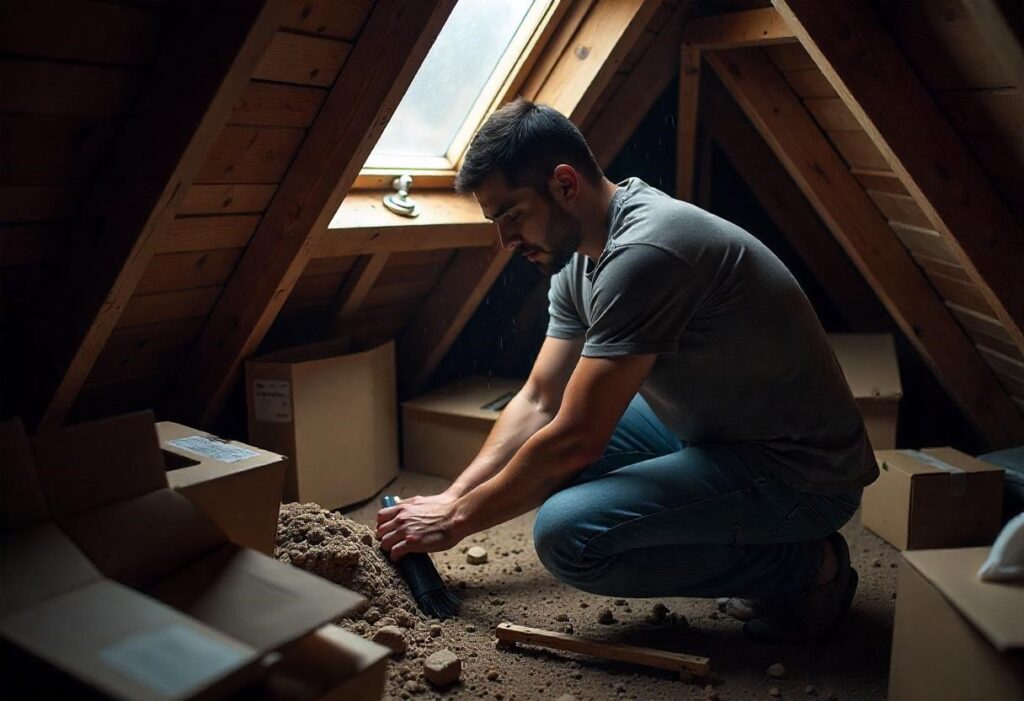
Technician in casual clothes inspecting dusty insulation and debris buildup in an attic, searching for signs of dirty air ducts.

Your home’s air ducts are part of the HVAC system that keeps air flowing, regulates indoor temperature, and maintains comfortable ambient temperature year-round. 

But just like any electrical or mechanical equipment in your home, these ducts can get dirty over time.

How?

Well, think about all the stuff floating around your home like dust, pet hair, pollen, tiny bits of dirt, even dead skin cells. All of that gets pulled into your HVAC system and can settle inside the ductwork.

In fact, if you haven’t a professional air duct cleaning in a while, here’s what might be building up inside:

  • Dust and dirt from daily life
  • Pet dander from your furry friends
  • Mold and mildew (especially in damp or humid areas)
  • Pollen that sneaks in from outside
  • Insects or rodent droppings (yikes, but it happens!)
  • Old construction debris if your home was recently remodeled

Now, every time your heat or AC kicks on, it can blow some of that stuff right back into the air you breathe.

You may not always see it, but you could be inhaling particles that irritate your lungs, trigger allergies, or even make you feel sick.

And the worst part? 

Most people have no idea it’s happening.

In short: Here’s what builds up in dirty ducts

Debris TypeWhere It Comes From
Dust and dirtEveryday life inside the home
Pet hair & danderDogs, cats, etc.
Mold & mildewHumidity, leaks, or moisture
PollenAir from windows, doors, shoes
Rodent/insect droppingsPest problems in ducts
Construction dustFrom remodeling or repairs
Clean-Air-Technologies's Logo
Angies Super Service
Accredited Business
Aeroseal

Schedule Your Free Estimate Today

Contact us to improve your indoor air
quality with our expert cleaning services in NJ.

Can dirty air ducts make you sick?

The short answer is, it depends on how dirty your ducts are.  

As per the Environmental Protection Agency or EP, there’s no solid proof that simply having dust in your air ducts is making you sick. 

However, the EPA does say there are a few clear cases when a dirty duct can be dangerous, including when:

  • There’s visible mold inside the ducts
  • Pests (like mice or insects) have gotten into the system
  • Dust or debris is actually blowing out of the ducts into your rooms

In these situations, the air coming through your ducts isn’t just dusty, it could be carrying stuff that’s harmful to breathe in.

In fact, HVAC professionals and air quality experts agree. They say air duct cleaning shouldn’t be done just because you have one of those red flag issues above. 

After all, clean ducts can make a real difference in how your home feels and how you feel inside it.

Simply put, if your air ducts look fine and you’re not having any health symptoms, you probably don’t need to clean them. But if your home has a musty smell, you’re getting sick more often, or you see mold, it’s time to get them cleaned.

How can dirty air ducts make you sick?

Now that we’ve talked about what collects in your air ducts and when it’s time to worry, let’s see how can dirty vents make you sick.

You see, all that hidden dust, mold, and debris isn’t just gross, it can seriously affect your body.

Here are the health problems they can cause:

SymptomWhy It Happens
Breathing issuesDust and mold irritate your lungs
Sneezing & itchy eyesAllergens get blown into the air
Frequent colds/infectionsBacteria and mold weaken your immunity
Headaches or brain fogPoor air = less oxygen to your brain
Allergy flare-upsDander, dust, and pollen spread through vents

1. Breathing problems

If your air ducts are full of dust, mold, or pet hair, your lungs take a toll. 

How?

Breathing in such air day after day can make your chest feel tight, leave you coughing or wheezing, and even make it hard to catch your breath. 

Even worse, if you have asthma, it might trigger flare-ups more often. 

Here’s one major clue you should pay attention to: Your breathing feels better when you’re out of the house, but worse at home. 

This could be your ducts affecting your lungs. 

2. Allergy-like reactions

Do you sneeze a lot at home but feel fine everywhere else? 

Well, dirty ducts could be the culprit in this case too. 

That’s because allergens like pollen, dust mites, and pet dander build up in the ducts over time. And when you turn the heating or cooling on, these irritants get blown through your house. 

This can leave you with itchy eyes, a runny nose, sneezing fits, or even random skin rashes. 

What’s worse?

Even if you’ve never had allergies before, dirty ducts can still trigger these reactions. 

3. More frequent colds or infections

Does it feel like you’re always getting sick? 

More likely than not your air ducts are part of the problem. 

How?

Mold spores, bacteria, and viruses can build up in your ductwork and get spread throughout your home. And this means your immune system is constantly under attack. 

Now, as your immunity weakens over time, you might catch colds more often and they’ll take forever to go away. 

In fact, some people even ended up with bronchitis or sinus infections more easily. They say they felt like their house was making them sick until they had their ducts cleaned. 

4. Headaches, fatigue, and brain fog

Poor air quality doesn’t just affect your body, it messes with your mind, too. 

So, when your ducts are pushing out dirty air, it can reduce the amount of clean oxygen you’re breathing. This can leave you feeling sluggish, dizzy, or like your brain’s in a fog. 

Some symptoms include constant low-grade headaches that just won’t quit, or feeling off when you’re home. 

After all, your brain needs fresh air to function at its best. And if it’s not getting it, you’ll definitely feel it in your energy, focus, and mood.

5. Worsening of existing conditions

If you or someone in your home already struggles with a health condition, like asthma, COPD, or severe allergies, dirty air ducts can make things way worse. So much so that you might find yourself using your inhaler more, needing extra allergy meds, or having more flare-ups than usual. 

That’s because poor indoor air quality puts extra stress on your body. And this is especially tough for kids, seniors, or anyone with a weaker immune system. 

Bonus: Here’s a Reddit user’s experience with dirty ducts

Since we’ve moved here, my significant other has been experiencing increased allergy/sinus symptoms, from fatigue/headaches, to a sore throat.

Reddit user on r/hvacadvice

How to tell if your air ducts are making you sick?

HVAC professional in blue uniform and gloves carefully checking the inside of a wall air duct for accumulated dirt and blockages.

So far, you know that dirty air ducts can indeed make you sick. 

But it’s important you know how your air ducts really make you sick. This will help you put a finger on those annoying sniffles, headaches, or weird smells in your home. 

Overall, here are some clear signs that your ducts might be making you sick:

SignWhat It Means
You feel sick only at homeIndoor air quality is poor
Musty smell when air turns onMold or bacteria in vents
Dust everywhere despite cleaningDucts are circulating particles
Recurring sore throat or sinus issuesPossibly mold or bacteria exposure
Visible dust/mold around ventsTime to clean the system
You had pests or leaks in the pastHigh chance of contaminated ducts

1. You feel worse at home and better when you leave

This is probably the biggest clue.

If you constantly feel congested, tired, or foggy only when you’re at home, your indoor air might be the culprit. 

And if you go to work or leave town and feel fine, that’s a big red flag about your air ducts, something you shouldn’t ignore. 

2. There’s a musty or dusty smell when the air turns on

If your home smells clean until heating or cooling kicks in, that could be mold or bacteria in your ducts. 

A musty or mildew-like smell is often a sign of moisture and microbial buildup inside the system.

3. There’s dust everywhere despite regular cleaning

If you wipe down surfaces and they’re dusty again a day later, your ducts might be blowing particles into the air every time your system runs. 

And this is also a sign that you’re exposed to dust, and, thus, sickness. 

It is simple: More dust in the air = more to breathe in.

4. You’re getting unexplained sickness more often

I am talking about the following symptoms:

  • Recurring colds
  • Sinus infections
  • Bronchitis
  • Sore throats
  • Headaches

These could all be connected to bacteria, allergens, or mold spores circulating through dirty ducts.

5. You see mold, dust, or black marks around your ducts

Take a flashlight and look at your vent grilles or inside the ducts if you can.

  • Do you see black or green spots or any other sign of mold? 
  • Do your ducts have thick dust buildup around the edges?
  • Is there any visible gunk blowing out when the air runs?

These are all strong indicators that your ducts are making you sick. 

6. You’ve had pests or water leaks in the past

If you’ve ever dealt with:

  • Rodents or insects in the home
  • Flooding, roof leaks, or water damage
  • High humidity in your basement or crawlspace

There are chances that your ducts might be infected and affecting your health even without you knowing it. 

When to clean your air ducts (and when not to)?

A man in glasses inspects dusty insulation in an attic with a flashlight, highlighting the importance of detecting dust and contaminants in air ducts.

Let’s be real: Not everyone needs their air ducts cleaned. And not every company that says you do is telling the full truth.

So how do you know when you need duct cleaning and when it’s just a waste of money?

You should clean your air ducts if:

1. There’s visible mold in or around your ducts

If you can see black or greenish spots inside the ducts or on your grilles, this is likely mold. Mold spores can easily spread through your air and cause health issues.

2. You’ve had pests in your ducts

Mice, rats, insects, etc., love crawling into ductwork. And they leave behind droppings, hair, and sometimes even carcasses (gross, but true). All of that can make you sick.

3. You’ve just done a major renovation

Drywall dust, sawdust, and paint fumes can get sucked into your system during remodeling and stay there. So, post-renovation is a great time for duct cleaning.

4. Debris is blowing out of the ducts

If you see puffs of dust come out when the HVAC kicks on, that’s not normal. Your system is dirty and it’s throwing all that gunk into the air you breathe.

5. You or someone in your home has ongoing health issues

If someone in your family has asthma, allergies, or breathing trouble, and nothing seems to help, cleaning the ducts may bring relief. More so if your HVAC system hasn’t been cleaned in years.

You don’t need to clean if:

  • Your ducts are clean and dust-free
  • You’re not having any strange smells or health issues
  • There’s no sign of mold, pests, or visible buildup
  • You’ve recently changed filters and everything is working fine

In short: 

Clean If…No Need If…
Visible mold is presentVents look clean, no odor
You’ve had mice/insectsNo history of pests
After major renovationsNo recent construction
Dust blows out of ventsFilters are clean and working
Someone has breathing problemsEveryone feels fine, no signs

Bonus: Red flag you should not ignore when hiring a cleaning professional

If a duct cleaning company says you have to clean every year, or uses scary language like “toxic buildup” without showing you proof, take a step back. 

In these situations, I suggest you ask for photos or a visual inspection before agreeing to anything.

Can dirty air ducts cause Sick Building Syndrome?

Three people wearing masks stand in a corridor lined with closed trash bins, illustrating concerns about indoor cleanliness and air quality.

You’ve probably heard of buildings that just feel off. These are places where people always seem tired, sneezy, or unwell for no obvious reason. 

This is what experts call Sick Building Syndrome or SBS.

And yes, dirty air ducts can definitely play a part. 

Let’s understand how.

What Is Sick Building Syndrome?

Sick Building Syndrome is when people inside a building, usually an office or home, start to experience health problems that seem to go away once they leave.

Symptoms often include:

  • Headaches
  • Dizziness
  • Fatigue
  • Dry eyes or throat
  • Sneezing and congestion
  • Difficulty focusing

What causes it? 

Poor indoor air quality.

That’s because things like mold, chemical fumes, dirty filters, or unclean ducts can all lower the air quality inside a building, even if it looks clean on the surface.

Where do air ducts enter the picture?

Air ducts are part of the problem because they:

  • Circulate mold spores
  • Blow dust and allergens through every room
  • Trap old smoke, chemical fumes, or pet dander
  • Create air that feels “stale” or low in oxygen

So if your ducts are full of gunk, and your air system just keeps cycling it around, it’s not hard to see how you could start to feel off.

In short: Here’s how dirty air ducts cause Sick Building Syndrome

SymptomPossible Cause
Headaches & fatigueLow air quality, stale air
Sneezing, runny noseAllergens in ducts
Brain fogLack of fresh air circulation
Throat or eye irritationMold, dust, or chemical residue

Can dirty air ducts make you sick: Myths vs reality

We often hear people say things like, “just clean the ducts and your allergies will be gone.” Or maybe they say, “if you don’t see dust, it’s probably clean.”

Now, a lot of these claims are not true. But some of them might well be. 

So, let’s bust some common air duct myths once and for all:

Cleaning ducts will fix your allergies: Myth!

Duct cleaning can help reduce allergens, but it’s not a cure-all. That’s because allergies can come from pets, fabrics, dust, and outdoor air too. 

So, if you’re allergic to something that’s already everywhere in your home, duct cleaning is just one part of the puzzle.

If I don’t see dirt, it’s clean: Myth!

The real mess is often hidden deep inside your ductwork. Meaning just because you got vent cleaning and it looks fine doesn’t mean there isn’t dust, mold, or droppings further down the line.

Duct cleaning improves HVAC efficiency: Fact!

If your system is clogged with dust and gunk, cleaning can definitely improve airflow and reduce strain on your HVAC. 

But if your ducts are already fairly clean, you probably won’t see a huge difference.

All duct cleaners are the same: Myth!

Some are professionals. Others are just guys with vacuums. 

Look for NADCA-certified technicians and avoid companies that make wild health claims or offer suspiciously low prices. 

Clean-Air-Technologies's Logo
Angies Super Service
Accredited Business
Aeroseal

Schedule Your Free Estimate Today

Contact us to improve your indoor air
quality with our expert cleaning services in NJ.

Conclusion

By now, you know that dirty air ducts can indeed make you sick. This is especially true if:

  • You have allergies or asthma
  • There’s mold, pests, or dust buildup in the vents
  • You notice weird smells, more sneezing, or visible grime

But not every vent needs to be scrubbed.

If you take care of your HVAC system, replace filters, and keep the area around vents clean, you’re already ahead of the game.

Got more questions or want to get your home’s air ducts cleaned?

You can get in touch with us!

At Clean Air Technologies, we are seasoned indoor air quality professionals with decades of experience cleaning air ducts and restoring indoor air quality across New Jersey. And we’ve got all your air duct cleaning and maintenance requirements covered on a budget. 

Frequently asked questions

Can I clean air vents myself?

Yes, to an extent.

You can vacuum around the vent covers, wipe them down, and replace filters.

But for deep duct cleaning, you’ll need professional-grade tools and training.

Are duct cleaning services worth the money?

Sometimes, yes.

If you’ve had pets, remodeling, mold, or allergy flare-ups, duct cleaning can help a lot.

Just avoid companies with scare tactics or crazy-low prices.

Do air purifiers help with dirty vents?

They don’t clean your ducts, but they do help with indoor air quality overall.

Use a purifier in high-traffic rooms or near pets for an extra layer of protection.

What’s the best filter for allergies?

HEPA filters are great for those who have allergies. They trap smaller particles like pollen and pet dander.

However, make sure your HVAC system can handle them (some older systems can’t).

Can dirty vents affect pets?

Yes!

Pets breathe the same air we do. And they’re often more sensitive to dust, mold, and poor ventilation. 

If your pet seems to cough, wheeze, or shed more, the air could be a factor.