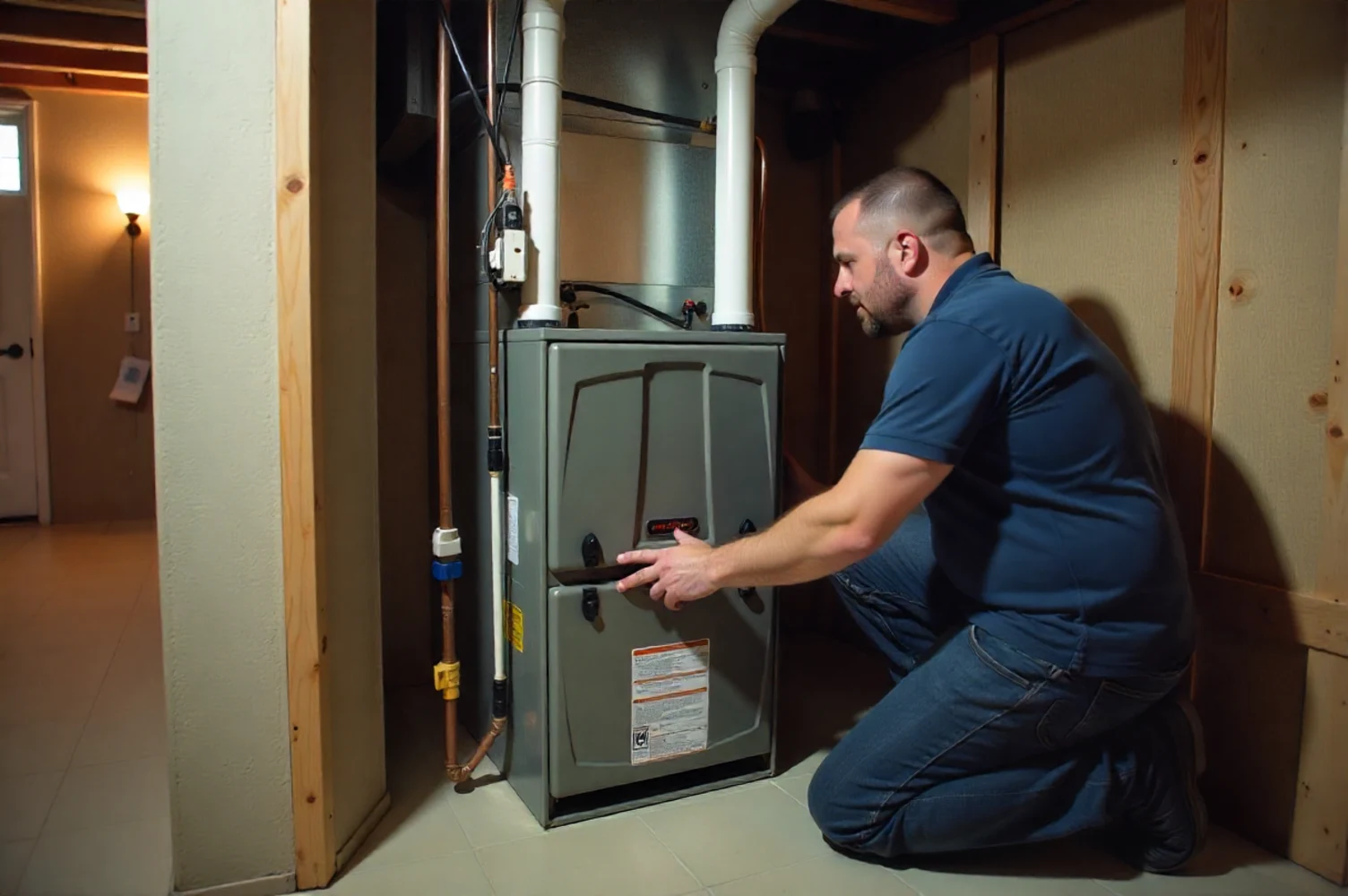
If your HVAC system is struggling to keep up or constantly breaking down, you might already be looking to replace it.
But before you zero in on a new HVAC model, the big question you’re probably looking answers to is: How much does a new HVAC system cost?
Now, if you’ve already started Googling, you might have seen wildly different figures ranging from $5,000 all the way up to $18,000.
The reality is, HVAC replacement costs in New Jersey are very different from national averages.
So, if you came across a figure of $6,000-$7,000 on Forbes Business, chances are you’ll pay $2,000-$3,000 more than that in NJ.
Sounds confusing?
Rest easy, as I will break it all down in this blog, including:
- The realistic cost to replace an HVAC system in NJ
- Cost breakdowns by system type
- What affects your final price
- How to avoid overpriced quotes
And much more.
So, let’s get started.
Key takeaways
- HVAC replacement costs in NJ range from $9,000 to $16,000 on average.
- Costs depend on system type, home size, and installation complexity.
- For just AC or furnace replacements, expect prices from $3,500 to $9,500.
- Always get 2-3 quotes and ask for an itemized breakdown.
- High-efficiency systems save energy but cost more upfront.
- Consider repair if your system is under 12 years old and the repair is minor.
- New Jersey offers rebates and incentives for energy-efficient systems.
What’s the average cost to replace an HVAC system in New Jersey?
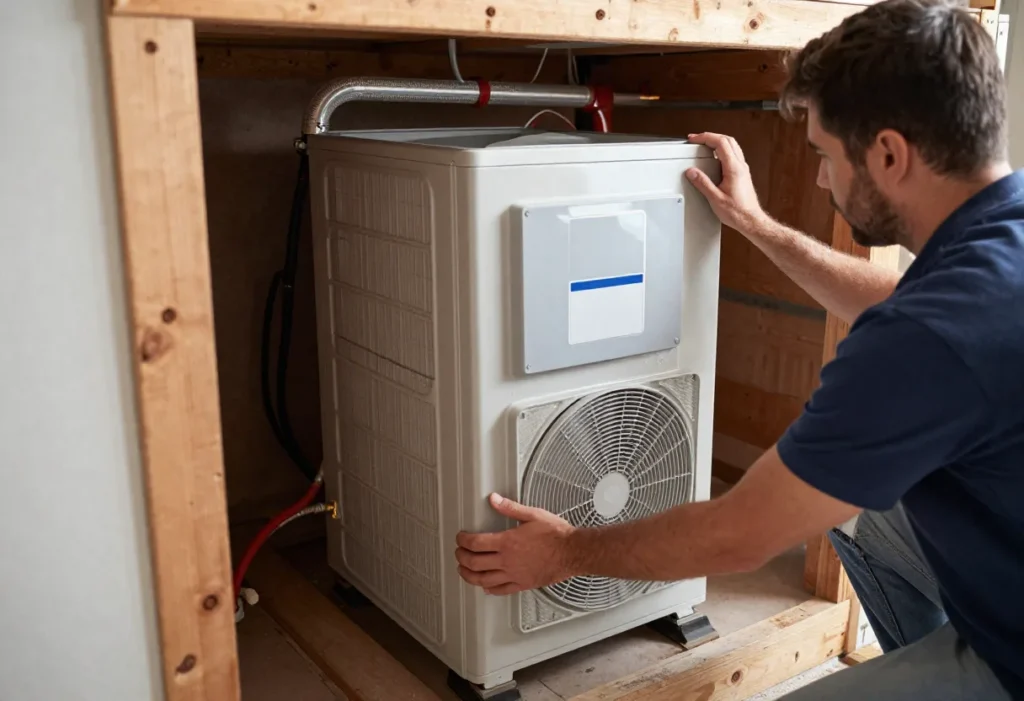
On average, you can expect the average cost to replace HVAC system in NJ to fall between $9,000 and $16,000.
However, the price can vary quite a bit depending on system type, the size of your home, and how complicated the installation is.
For instance, if you’ve got a large home or you want a high-efficiency system, the cost might be on the higher end of this range.
But if you’re just replacing a part of your system, like just the furnace or just the AC, it won’t cost you so much.
Let’s take a closer look at how the prices vary.


Schedule Your Free Estimate Today
Contact us to improve your indoor air
quality with our expert cleaning services in NJ.
How much does HVAC replacement cost based on system type?
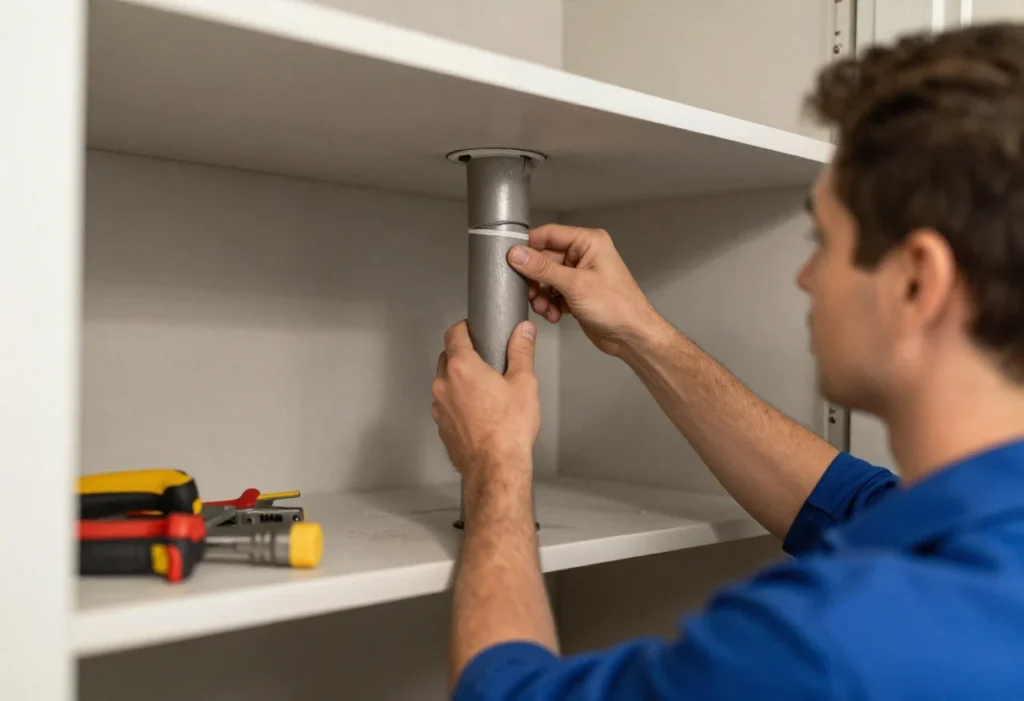
When it comes to HVAC replacement in New Jersey, the cost will depend on the type of system you’re installing and the features you want.
You see, different systems come with different price tags, so it’s important to know what you’re getting and what’s best for your home.
Here’s a breakdown of the typical costs for various HVAC system types:
1. Central air conditioning: $5,500-$9,500
If your furnace is still working well, you might only need to replace the central air conditioning system.
This is a common scenario for homeowners who are just looking to fix their cooling without touching the heating side. Here, costs typically range between $5,500 and $9,500.
There are several factors that affect the final cost of AC replacement, including :
- Home size: The larger the home, the more tonnage (or cooling power) you’ll need, which increases the price.
- SEER rating: The higher the SEER (Seasonal Energy Efficiency Ratio), the more efficient the unit. Higher SEER units cost more upfront, but they’ll save you on energy bills over time.
- Compatibility: If your AC coils need to be swapped out or if your existing furnace doesn’t match, that could add extra costs.
- Electrical work: Sometimes, older homes might need electrical upgrades to handle a new unit.
In short, replacing just the AC might be a budget-friendly option if your furnace is still doing its job. But the total cost can still vary based on your home’s needs.
2. Furnace: $3,500-$9,000
If your air conditioning is still working fine, but your furnace is on its way out, you’ll be looking at replacing just the furnace.
Now, the total furnace cost in NJ looks something like this:
- Gas furnace (standard efficiency): $4,500-$6,500
- High-efficiency gas furnace: $6,500-$9,000
- Electric furnace: $3,500-$6,000
The final cost of furnace replacement will depend on several factors including:
- AFUE rating: The higher the AFUE (Annual Fuel Utilization Efficiency), the more energy-efficient the furnace is, but it also comes with a higher price tag.
- Venting and chimney modifications: Older homes might need additional work done to vent the furnace correctly, which can add to the cost.
- Gas line modifications: In some cases, the existing gas line might need to be upgraded to handle a higher-capacity furnace.
- Condensate drain installation: High-efficiency furnaces often require a special condensate drain for water runoff, which can add extra labor costs.
3. Heat pump: $7,500-$14,000
Heat pumps are growing in popularity in New Jersey because they provide both heating and cooling in one system.
Now, their upfront cost is in the range of $7,500-$14,000, which is higher. But in the long run, heat pumps often save money by using less energy.
However, heat pumps might not be ideal for every home as they work best in moderate climates only.
Note: Sometimes, it is not your cooling or heating system but the air duct that needs replacement. Your HVAC system might be working just fine, but the air ducts might not be doing their part. Thankfully, the cost to replace air ducts starts at just about $1,400 in New Jersey.
4. Full HVAC system (AC and furnace): $9,000-$16,000+
The most common scenario for homeowners in New Jersey is replacing both the furnace and air conditioning unit at the same time.
This is often the most cost-effective solution in the long run, as both systems will be properly matched for optimal efficiency and comfort.
But you’re looking to pay anywhere between $9,000 and $16,000 (or more) upfront.
This price includes both a new furnace and a new AC unit, plus everything you’ll need for installation. This includes:
- New furnace or air handler
- New central AC
- Refrigerant lines
- Startup and testing
5. High-efficiency systems: $14,000-$20,000+
High-efficiency systems are designed to give you better energy performance, which can lower utility bills over time.
They cost more upfront, anywhere between $14,000 and $20,000 (or more). But they can pay off in the long run.
A high-efficiency HVAC system includes things like:
- Variable-speed furnaces that adjust heating output depending on your home’s needs
- Higher SEER AC units for more cooling power and energy savings
- Better insulation and ductwork to improve overall performance
These systems are ideal if you’re looking for long-term savings and don’t mind spending a little more upfront.
TL;DR, here’s the cost to replace an HVAC system based on system type:
| System Type | Typical NJ Cost Range | Main Cost Factors |
| Central AC | $5,500-$9,500 | Home size, SEER rating, compatibility, electrical upgrades |
| Furnace | $3,500=$9,000 | Type (gas, electric), efficiency rating, venting & gas lines |
| Heat Pump | $7,500-$14,000 | Dual function (heating & cooling), efficiency, rebates |
| Full HVAC System | $9,000-$16,000+ | Includes both furnace & AC, refrigerant lines, testing |
| High-Efficiency Systems | $14,000-$20,000+ | Variable-speed motors, better insulation, higher SEER ratings |
Why is the average cost to replace HVAC systems higher in New Jersey?

When it comes to HVAC replacement, you might see national averages like $6,000-$8,000. But that’s usually not what you’ll find in New Jersey.
You see, costs here tend to be higher for a few important reasons, which include:
1. Labor and licensing costs
In New Jersey, HVAC work isn’t just about installing a new system, it requires licensed professionals. Contractors must have the proper training and certifications to make sure the job is done safely and up to code.
This can cost a bit more upfront, but it also ensures that the installation is done correctly and follows all local regulations.
2. Older homes
New Jersey has a lot of homes that are decades old. While that gives them charm and character, it can also make HVAC replacement trickier and add extra costs.
3. Permit and inspection requirements
You can’t skip the permits and inspections as they’re required by law.
But the cost of permits and the time needed for town inspections can add a bit to your total price.
4. Local climate
New Jersey’s weather can be pretty extreme with hot and humid summers followed by cold winters. That means your HVAC system needs to work overtime to keep your home comfortable year-round.
These higher demands often require higher-capacity systems or dual-function units. Plus, you might need features like AUX heat to meet the extra heating demands during winters.
These systems cost more because they need to be more robust.
| Reason | Why It Affects Costs |
| Labor and Licensing Costs | Requires licensed contractors, adding to the cost. |
| Older Homes | May need duct or electrical upgrades, increasing expenses. |
| Permit & Inspection Costs | Permits and inspections are required, adding extra fees. |
| Climate Demands | Extreme weather needs higher-capacity systems, which are more expensive. |
Bonus: You might not need a new HVAC system at all
Yes, that’s right.
You see, a lot of times, a dirty HVAC system might trick you into believing that you need a complete HVAC replacement.
In many cases, a thorough air duct cleaning services in NJ can restore airflow, improve efficiency, and eliminate the issues that make a system feel like it needs replacement. In some situations, even basic HVAC duct cleaning can noticeably improve performance.
What’s included in an HVAC system replacement quote and what’s not?
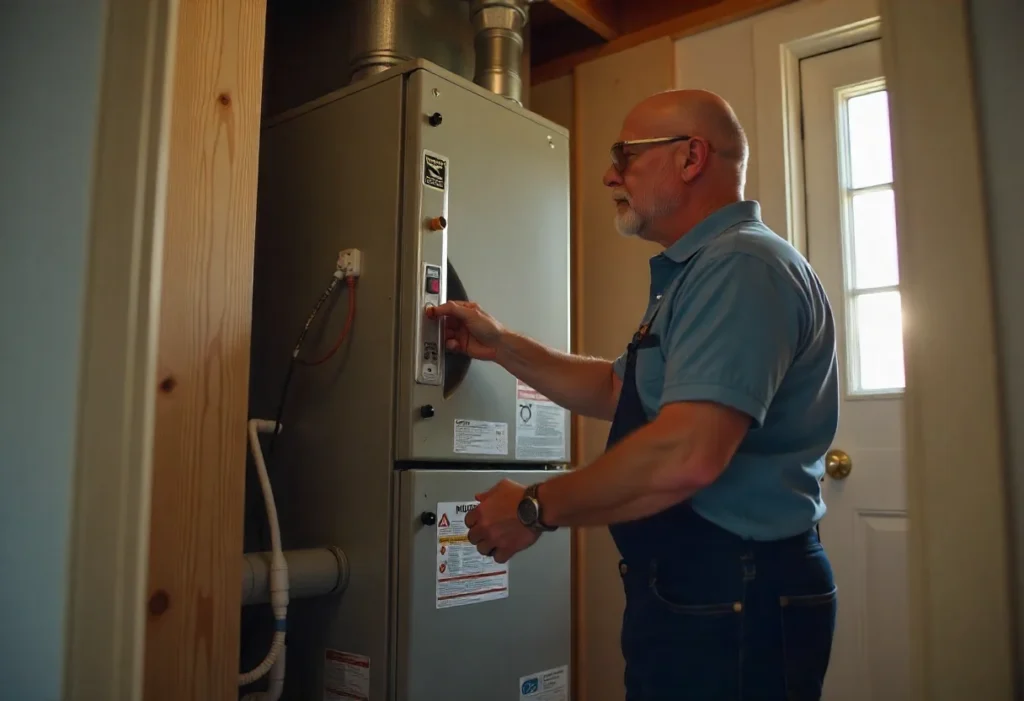
When you get an HVAC replacement quote, the number on the estimate might seem like a good deal at first. But sometimes, there are extra costs that pop up later on.
So, it is always a good idea to ask for a fully itemized quote so you know exactly what you’re getting for your money.
Let’s take a look at what’s usually included in your quote, and what isn’t included.
Here’s what’s usually included in the cost:
- Equipment: Your quote will definitely cover the cost of the new system itself, whether it’s a furnace, air conditioner, or full HVAC system.
- Basic installation labor: The labor to install your new system is typically included.
- Removal of old system: Most contractors will include the removal of your old system in the price. This includes taking out the old furnace, AC, or heat pump and hauling it away.
- Refrigerant handling: If you’re replacing your AC or heat pump, the cost of refrigerant will likely be included. Your contractor will make sure the refrigerant is safely handled and that your new system is properly charged.
- Startup and testing: After installation, the system will be started up, and the technician will test it to make sure everything is running smoothly.
- Manufacturer warranty registration: Once your system is installed, your contractor will typically register your manufacturer warranty for you.
Here’s what’s not included in the cost:
- Ductwork repair or replacement: If your existing ductwork is old, damaged, or incompatible with the new system, repairs or replacements might not be included in your quote.
- Electrical panel upgrades: If your electrical panel is outdated or doesn’t have the capacity to support the new system, an upgrade might be needed. This costs extra and isn’t a part of your initial quote.
- Gas line modifications: If your gas line isn’t sized properly for your new furnace or HVAC system, it might need to be modified or upgraded. Again, this isn’t always part of the original quote.
- Zoning systems: HVAC zoning allows you to control temperatures in different areas of your home. But zoning systems are typically considered an upgrade and they might not be included in a standard quote.
- Air quality add-ons: You might choose to add things like air purifiers, humidifiers, or UV lamps to your HVAC setup. These air quality upgrades are not included in the standard quote and will cost extra. For instance, the cost to install UV lamps can be $200-$1000 above your HVAC replacement cost.
- Permit fees: In New Jersey, permits are required, and the cost for them might be listed separately in your quote.
TL;DR, here’s what’s included and what’s not included in the HVAC replacement cost:
| Included | Not Included |
| Equipment (new system) | Ductwork repair/replacement |
| Basic installation labor | Electrical panel upgrades |
| Removal of old system | Gas line modifications |
| Refrigerant handling | Zoning systems |
| Startup and testing | Air quality add-ons (e.g. purifiers) |
| Manufacturer warranty registration | Permit fees (sometimes separate) |
Pro tip: Always ask for a fully itemized quote. This way, you won’t be caught off guard by any unexpected charges.
Bonus: Here are a few factors that might increase the cost of HVAC system replacement
There are certain factors that can increase the cost to replace an HVAC system very quickly.
Let’s go through some of the biggest price drivers that can increase the final price.
| Factor | Why It Drives Costs Up |
| Oversized/Undersized Equipment | Wrong-sized systems need more adjustments, causing higher costs. |
| Ductwork in Poor Condition | Damaged ducts make the system inefficient, leading to added repair/replacement costs. |
| Electrical Panel Upgrades | Old panels may not handle new systems, needing an upgrade. |
| High-Efficiency Systems | More upfront costs but can save on long-term energy bills. |
| Tight Install Spaces | Cramped attics/crawlspaces require more time and labor. |
| Zoning or Multi-Story Homes | Requires more complex systems for even air distribution. |
| Cheap System Installed Incorrectly | Poor installation leads to higher long-term costs. |
Schedule Your Free Estimate Today
Contact us to improve your indoor air
quality with our expert cleaning services in NJ.
Final words
By now, I am sure you know exactly how much it will cost to replace an HVAC system in New Jersey.
You see, even though replacing an HVAC system is a major investment, when done correctly, a new system will:
- Improve comfort
- Lower energy bills
- Reduce breakdowns
- Increase home value
- Improve indoor air quality
Also, there are times when you don’t need to replace your HVAC system at all. Instead, you can get it cleaned and you’re good to go.
Got more questions or want to schedule professional HVAC system cleaning?
You can get in touch with us!
At Clean Air Technologies, we’ve been helping New Jersey homeowners with NADCA-certified HVAC air duct cleaning services for over 30 years now. And we’ve got all your HVAC cleaning needs covered on a budget.
FAQs about HVAC system replacement cost
How much does it really cost to replace an HVAC system in New Jersey?
In most New Jersey homes, a full HVAC system replacement typically costs between $9,000 and $16,000.
The exact price depends on your home’s size, system type, efficiency level, and whether upgrades like ductwork or electrical work are needed.
Why are HVAC replacement quotes so different from one contractor to another?
HVAC quotes can vary widely because contractors might use different equipment, efficiency ratings, labor scope, and installation quality.
Also, some quotes exclude permits, ductwork, or electrical upgrades, which makes them appear cheaper. Others include everything needed for a code-compliant installation.
That’s why it’s important to compare detailed itemized estimates rather than just looking at the final price number.
How to avoid overpaying for HVAC replacement in NJ?
To avoid overpaying for your HVAC replacement, take these steps:
- Get 2-3 detailed quotes from different contractors to compare prices and services.
- Ask for Manual J load calculations to ensure the system is the right size for your home.
- Avoid ‘today-only’ discounts that pressure you into a quick decision, take your time.
- Don’t buy oversized systems as bigger isn’t always better. A properly sized unit is more efficient.
- Work with licensed, local contractors to ensure quality and compliance with local codes.
- Ask for an itemized quote to understand exactly what’s included and what’s not.
Should you repair or replace your HVAC system?
Replacing your HVAC system often makes sense when:
- Your system is 12-15+ years old, and repairs are becoming frequent.
- Repairs exceed 30-40% of replacement cost, meaning it’s more cost-effective to replace it.
- Your energy bills keep rising despite regular maintenance.
- Comfort is inconsistent, like uneven temperatures or poor airflow.
- Parts are discontinued, making repairs difficult or expensive.
But if your system is relatively new and the repair is minor, it might be worth fixing rather than replacing.
Is it cheaper to replace just the AC or furnace instead of the full system?
Yes, replacing only the AC or furnace can cost less upfront if the other component is still in good condition and compatible.
However, mismatched systems can reduce efficiency and cause performance issues.
In many cases, replacing both together provides better comfort, efficiency, and long-term savings.
A professional assessment will help you determine whether a partial or full replacement makes more sense for your home.
Are there rebates or incentives in New Jersey?
Yes, New Jersey homeowners do qualify for various rebates and incentives when replacing their HVAC systems. Depending on the type of system you choose, you may be eligible for:
- Utility rebates for high-efficiency units.
- Manufacturer incentives for certain brands or models.
- Energy-efficiency federal programs make you eligible for federal energy efficient home improvement tax credit of up to $3,200 annually if you buy ENERGY STAR certified HVAC systems.
How long does a new HVAC system typically last in New Jersey?
Most HVAC systems in New Jersey last 12 to 15 years, depending on usage, maintenance, and installation quality.
Homes that schedule regular HVAC system cleaning and maintenance see longer system life.
What hidden costs should I watch out for when replacing my HVAC system?
Common hidden costs include ductwork repairs, electrical panel upgrades, gas line modifications, permits, and zoning systems.
Some quotes don’t include these upfront, which can lead to surprise charges later.
I suggest you ask your contractor what is included and what could cost extra. A transparent contractor will explain potential add-ons before installation, not after the job starts.