Clean-Air-Technologies's logo

Ventless Dryer Pros And Cons: Are They Right for New Jersey Homes?

You might have noticed the buzz around ventless dryers lately, those sleek models that don’t need any external vent. They promise easy installation, less energy use, and a lot of convenience. 

But are they actually a good fit for your home?

Well, it depends. 

You see, ventless dryers are excellent if you live in a condo or have trouble installing a traditional vent. 

Nevertheless, they also come with a few trade-offs, like longer drying times and some added humidity.

In this blog, I will walk you through all ventless dryer pros and cons, plus things you should keep in mind if you live in New Jersey. 

So, let’s get started. 

Key takeaways

  • Ventless dryers are good for apartments, condos, or homes where installing a vent is tricky.
  • They work well for small loads of laundry, delicate clothes, and people who care about energy efficiency.
  • Drying time, however, is longer than regular dryers.
  • You should watch out for extra humidity in the room, especially during humid New Jersey summers.
  • You might need a dehumidifier or extra ventilation to keep the air dry.

For starters, how do ventless dryers work? 
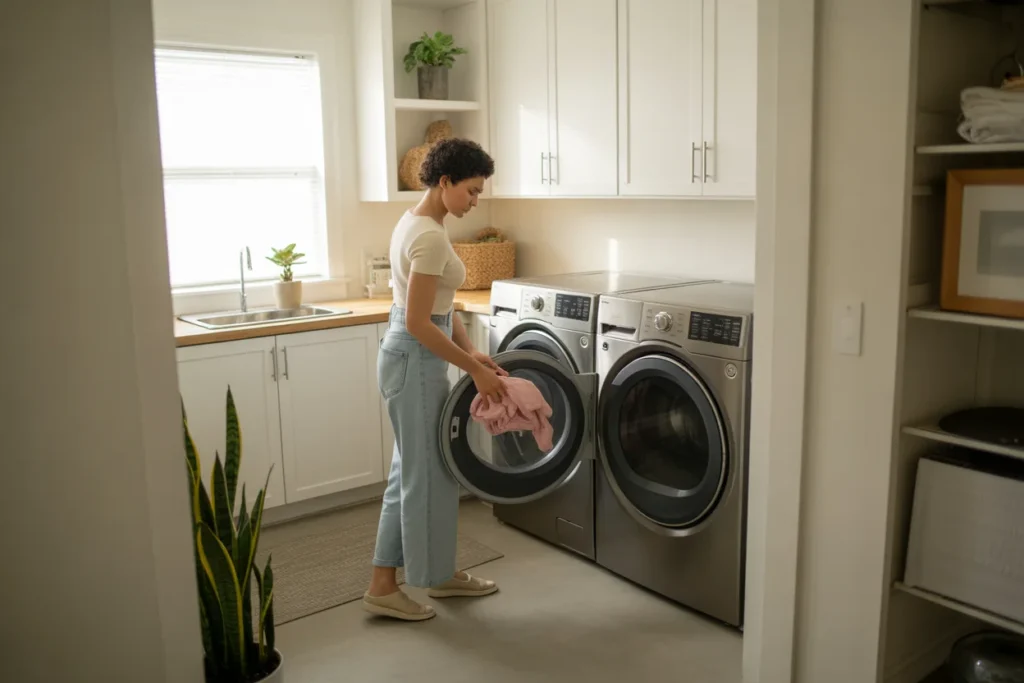
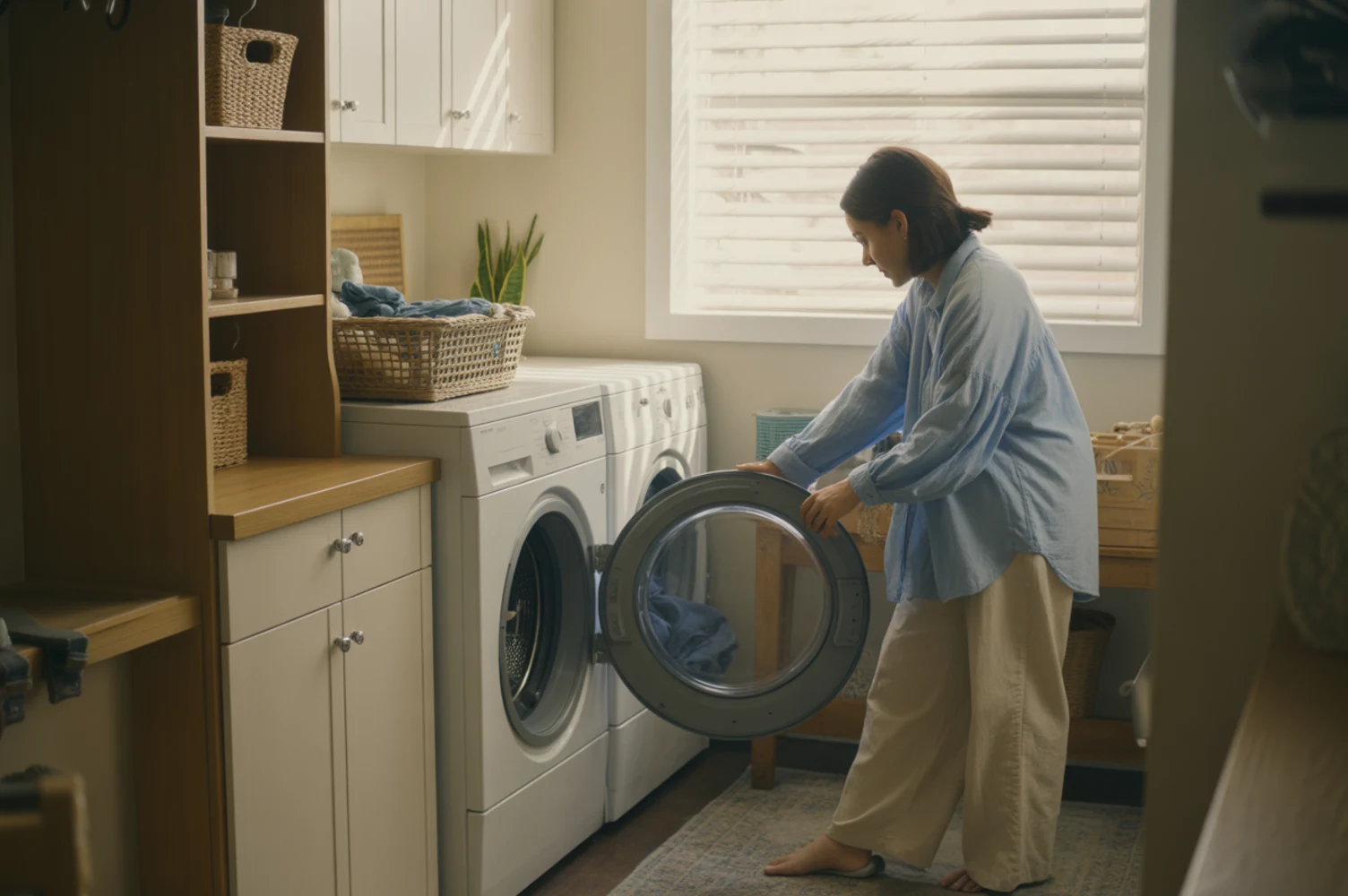
Ventless washer and dryer installed in a compact indoor laundry room with a homeowner loading clothes

To begin with, ventless dryers come in two main types, namely, condenser and heat-pump dryers. And both dryer types work without needing an outside vent, making them great for apartments or places where installing a vent is tough.

Here are the two ventless dryer types and how they work: 

  1. Condenser dryers: These dryers heat the air, pass it through your clothes, and then cool it down. The moisture from your clothes turns into water, which is either collected in a tray or drained away. 
  2. Heat-pump dryers: These dryers use a heat pump to recycle warm air, which helps save energy. They dry clothes more gently and efficiently, but cost more upfront.

Notwithstanding their type, both ventless dryers collect moisture inside instead of pushing it outside. 

Clean-Air-Technologies's Logo
Angies Super Service
Accredited Business
Aeroseal

Schedule Your Free Estimate Today

Contact us to improve your indoor air
quality with our expert cleaning services in NJ.

Ventless dryer pros and cons: What do you need to know? 

Ventless dryers are getting popular by the day, especially among people who live in apartments and condos and need flexibility in their laundry setups.

However, even though they solve a lot of problems, like not needing to install a vent, they also come with their own set of challenges. 

For instance, if you’re installing the dryer in a closet, it can lead to excessive humidity. Plus, it can also cause overheating and you might end up with a burning smell coming out of the dryer

I have detailed all the pros and cons of ventless dryers, so let’s go over them all. 

Ventless dryer pros 
Homeowner sorting laundry next to a stacked ventless washer and dryer in an indoor laundry room

1. No external vent needed

Ventless dryers are perfect for homes that don’t have a good way to run a vent. 

For instance, if you live in a condo, apartment, or older home, installing a vent can be a huge hassle. 

With a ventless model, you don’t have to worry about that at all. This means you can place the dryer pretty much anywhere, as long as there’s power. 

2. Installation flexibility

One of the best things about ventless dryers is the flexibility they offer. That’s because, unlike traditional dryers that need to be placed near a vent or an exterior wall, ventless dryers can go in almost any room. 

You can install them in a closet, bathroom, or even a kitchen cabinet, as long as you have the necessary electrical connections. 

This makes them a great option for homes with tight spaces or no easy access to an exterior wall.

3. Energy efficiency (especially with heat-pump models)

Dryers use a lot of energy, and even with regular use chances are you’ll have increased energy bills. 

But that’s not the case with heat-pump dryers. These models are more energy-efficient than traditional electric dryers because they recycle the warm air inside the dryer instead of letting it go to waste. 

Although they cost more upfront, you’ll save on your electric bill over time. Unlike traditional vented dryers that require routine dryer vent cleaning in New Jersey to prevent lint buildup and fire risks, ventless dryers eliminate the need for exterior vent maintenance entirely.

4. Gentler on clothes

Ventless dryers dry clothes at lower temperatures, which helps protect delicate fabrics like wool, silk, or anything that’s prone to shrinking or fading. 

So, if you’re tired of your clothes wearing out too quickly, a ventless dryer might be a good solution. The gentler drying process helps keep your clothes looking newer for longer.

5. Safe to use if even if there’s no place for venting

Ventless dryers are safer in places where venting might be a problem since they don’t need an exterior vent.

Plus, in a traditional dryer, the vent can get clogged with lint, which can cause a fire hazard.

Ventless dryers don’t have that issue either, and you won’t need to worry about your duct becoming blocked or damaged over time. 

Ventless dryer cons 
Stacked ventless washer and dryer installed inside an indoor laundry space without exterior venting

1. Slower drying time

One of the most common complaints about ventless dryers is that they take longer to dry clothes compared to vented models. So much so that a typical ventless dryer takes 90 minutes to 2 hours to dry clothes for a normal load. 

And this is especially true for older condenser models.

You see, since ventless dryers don’t expel hot air outside, the moisture in the clothes has to be absorbed and condensed inside the unit. This process is way slower, and you’ll need to plan for longer cycles when doing laundry.

2. Increases indoor humidity 

Another downside to ventless dryers is that they add moisture to the room where they’re placed. 

Why? 

The moisture from your clothes is collected inside the unit instead of being vented outside. And it increases the humidity in your laundry room.

This is a big problem particularly in New Jersey where summers are very humid. So much so that you might need to run a dehumidifier or make sure the area is well-ventilated to avoid the damp feeling in the room.

3. Upfront cost is higher 

While heat-pump ventless dryers are incredibly energy-efficient, they do tend to come with a higher price tag. And if you’re on a budget, this could be a dealbreaker. 

However, the good news is that heat-pump models can save you money in the long run by reducing your energy bills. 

4. Smaller drum capacity

Many ventless dryers have smaller drums compared to traditional dryers. This means you need to do smaller loads, which can be a hassle if you have a big family or need to dry lots of clothes at once. 

Also, some ventless dryers have specific loading rules (like not overloading them) to ensure they dry your clothes properly. This might take some getting used to, especially if you’re used to throwing everything in one big load.

5. Maintenance

Although you don’t need to schedule regular dryer vent cleaning service, ventless dryers still need more attention when it comes to maintenance. 

You’ll need to regularly empty the water reservoir (if your model has one) or make sure it’s properly plumbed to a drain. 

Also, you’ll have to clean the condenser and filters more often than with a regular dryer. 

TL;DR, here are all ventless dryer pros and cons: 

ProsCons
Perfect for spaces where installing a vent is tough.Ventless dryers can take longer to dry clothes.
Can be installed in small spaces like closets or cabinets.Moisture can build up, especially in humid NJ summers.
Heat-pump dryers recycle heat to save energy.Higher upfront cost (for heat-pump models).
Lower temperatures help keep fabrics in better condition.Some models have smaller drums, requiring smaller loads.
No vents to clog or pose fire risks.Regular cleaning and draining are required to keep the dryer in good condition.

Bonus: Here are all the differences between ventless and vented dryers

FactorVentless (Condensor / Heat-Pump)Vented Dryer
InstallationEasy, no exterior duct neededNeeds exterior vent/duct
Drying speedSlowerFaster
Energy useHeat-pump: very efficient; condenser: midVaries; electric vented often uses more energy
Indoor humidityCan increase humidityExhausts moisture outside
Upfront costHeat-pump models cost moreUsually cheaper upfront
Where it fits bestClosets, condos, retrofitsHouses with exterior walls for venting

What New Jersey residents need to know about ventless dryer installations? 
Ventless dryer operating in an indoor laundry room with closed cabinetry and shelving

Ventless dryers are a great option in many situations, but there are a few important things to consider when it comes to homes in New Jersey. 

The local climate, building types, and unique space challenges can all impact how well a ventless dryer will perform. 

Because ventless dryers can affect indoor humidity and airflow, many New Jersey homeowners consult experienced indoor air specialists like Clean Air Technologies before deciding which dryer setup is right for their home.

Here’s everything you need to know: 

1. Ventless dryers don’t fare well in humid summers 

New Jersey summers can get pretty humid, and that’s something you’ll need to think about when using a ventless dryer. 

You see, these dryers work by collecting moisture from your clothes. And if the area around the dryer isn’t well-ventilated, the extra humidity can quickly build up inside your home.

 In a small laundry closet, this can lead to mildew, damp walls, and even a musty smell. 

To avoid this, you might need to add extra ventilation or use a dehumidifier to keep things dry.

2. You need to factor space and layout 

Many NJ homes, especially rowhouses, apartments, and condos, don’t have easy access to the exterior walls for venting. This makes ventless dryers a great choice when you can’t install a traditional vent. 

However, if your building has limited space or layout challenges, you’ll need to carefully consider where the dryer will go. 

Ventless dryers work best in spaces where airflow is at least somewhat decent, and where you won’t have to worry about moisture buildup or cramped conditions.

3. Basement are fine for ventless dryers but be cautious with closet installations

In New Jersey, many homes have basements that work well for ventless dryers. Basements generally have more natural airflow, so the humidity from drying clothes can dissipate more easily. 

But if you’re thinking of putting your dryer in a small closet, you’ll need to be extra cautious. That’s because small enclosed spaces without ventilation can trap moisture and create a damp environment. 

I suggest you place a dehumidifier or make sure the space has good airflow to prevent such issues.

4. Energy savings may or may-not offset the initial cost 

Heat-pump dryers are energy-efficient, but it’s important you think about how often you run your dryer. 

If you do laundry frequently, a heat-pump model can save you money over time. 

However, heat-pump dryers also have higher upfront costs. So, do consider your typical usage and if energy savings can alone offset the initial cost. 

TL;DR, here’s what New Jersey residents should know before installing ventless dryers: 

ConsiderationWhat to Keep in Mind
HumidityNJ’s humid summers can cause moisture buildup if there’s no ventilation.
Space and Building TypeGreat for homes with no venting options, but airflow and space matter.
PlacementBasements are fine; small closets may need extra ventilation to prevent moisture.
Energy CostsHeat-pump dryers save energy, but consider your usage and upfront cost.

When to install a ventless dryer, and when not to? 

Install a ventless dryer if:

  • You live in an apartment/condo or older home with no practical exterior vent.
  • You need flexible placement (closet, kitchen, interior laundry).
  • You want the most energy-efficient option available. 
  • You do mostly small to medium loads.

Don’t install a ventless dryer if:

  • You need rapid, frequent drying for large loads.
  • You already have a good exterior vent and don’t want extra indoor humidity.
  • You want the lowest upfront cost and fastest dry cycles.
Clean-Air-Technologies's Logo
Angies Super Service
Accredited Business
Aeroseal

Schedule Your Free Estimate Today

Contact us to improve your indoor air
quality with our expert cleaning services in NJ.

Final words

By now, I am sure you know all the ventless dryer pros and cons. 

You see, these dryers are an excellent solution for many New Jersey homes, especially where venting is difficult or impossible. 

But you should be prepared for slower cycles and pay extra attention to indoor humidity and maintenance.

Got more questions or want to schedule routine HVAC maintenance?

You can get in touch with us!

At Clean Air Technologies, we are seasoned HVAC professionals with 3+ decades of experience serving New Jersey homes. And we’ve got all your HVAC cleaning and maintenance needs covered on a budget. 

FAQs about ventless dryers 

Are ventless dryers safe?

Yes, ventless dryers are safe when installed and maintained properly. Unlike traditional dryers, they don’t expel hot air or lint through an exterior vent, which eliminates the risk of duct fires due to lint buildup. 

However, the key safety concern is moisture buildup in the room where the dryer is located. If moisture isn’t properly managed, it can lead to mold or mildew. 

Do ventless dryers use less energy?

Heat-pump ventless dryers are generally more energy-efficient than traditional vented dryers.

They work by recycling the hot air inside the unit, rather than venting it outside, which means less energy is wasted. 

This process not only reduces electricity consumption but also makes them a more environmentally friendly choice. 

Condenser models are somewhat energy-efficient but not as much as heat-pump versions. 

Can I install a ventless dryer in a closet?

Yes, in most cases, ventless dryers can be installed in a closet, as long as there’s sufficient clearance and ventilation. 

Unlike traditional dryers, ventless models don’t require an external vent, making them ideal for smaller or enclosed spaces. 

However, it’s crucial to consider airflow and humidity. Without proper ventilation, moisture from the drying process can accumulate, leading to dampness, mold, or unpleasant odors.

Will my clothes wear out faster?

No, ventless dryers, especially heat-pump models, are actually gentler on clothes compared to traditional dryers. They operate at lower temperatures, which helps prevent fabrics from shrinking, fading, or losing their shape. 

High-heat drying cycles can be harsh on delicate fabrics, but heat-pump dryers use a more gentle drying method that maintains fabric integrity. This makes them an excellent choice for items like wool, silk, and delicate synthetics.

How often do I need to clean a ventless dryer?

You should clean the lint screen after every load to prevent lint buildup.

Also, if your model has a water reservoir, you should empty it  regularly, usually after each load. 

For models with a condenser or heat pump, you will need to clean the condenser and filters every few months. 
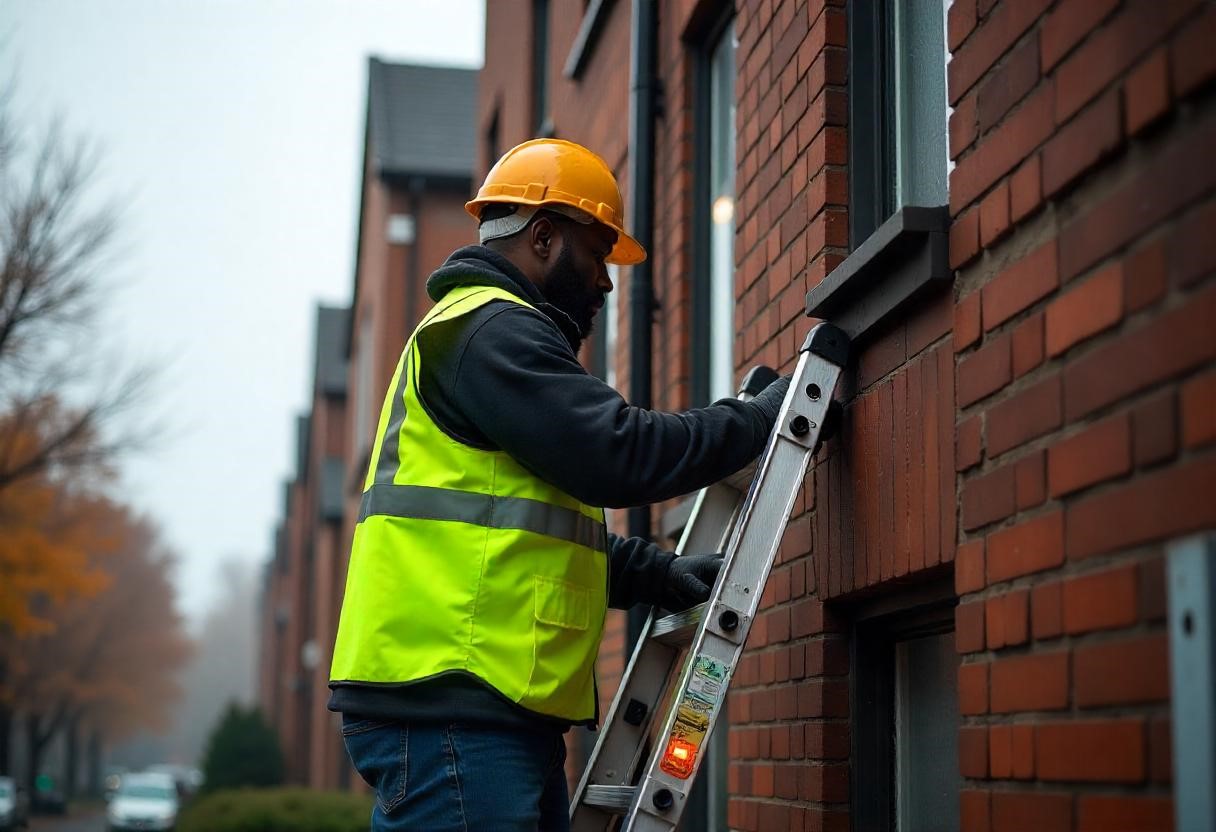
How Much Does Dryer Vent Cleaning Cost In 2026?

Ever noticed your dryer taking longer to dry clothes getting hotter than usual?

This might not be your dryer’s fault, but your dryer vent crying out for a clean.

You see, dryer vent cleaning isn’t something most of us think about often. But this is one job that makes a huge difference. 

Proper maintenance like regular dryer vent cleaning in NJ can improve dryer efficiency, lower energy bills, and dramatically reduce fire risks.

So much so that it helps your dryer run better, lowers your energy bill, and even prevents fire hazards in your home.

But how much does dryer vent cleaning cost, you might ask?

The short answer is, it depends. 

Most people in the country pay between $100 and $150. However, the price can go higher if the vent is on the roof or needs extra work. 

Talking about New Jersey, you might find some great flat-rate deals here which can be a huge saver. 

In this guide, I break it all down, including:

  • What you can expect to pay
  • What makes the price go up or down
  • Whether DIY is worth it or not
  • What homeowners out there are actually paying 
  • And how to avoid getting ripped off

So, let’s get started. 

Key takeaways

  • Dryer vent cleaning usually costs $100-$150 nationwide. New Jersey professionals offer flat rates starting around $89 for simple jobs.
  • Vents on the roof or second floor cost more due to safety and equipment needs.
  • Heavy lint buildup or bird nests can add $100-$200 extra.
  • DIY is cheaper for easy, short vents; but professionals are better for long, roof, or clogged vents.
  • Base price covers lint removal, vent cap check, and airflow test; but extras like nest removal or duct repair cost more.
  • Clean your dryer vent annually, or more often if you do heavy laundry or notice slow drying.

How much does dryer vent cleaning cost? (national average)

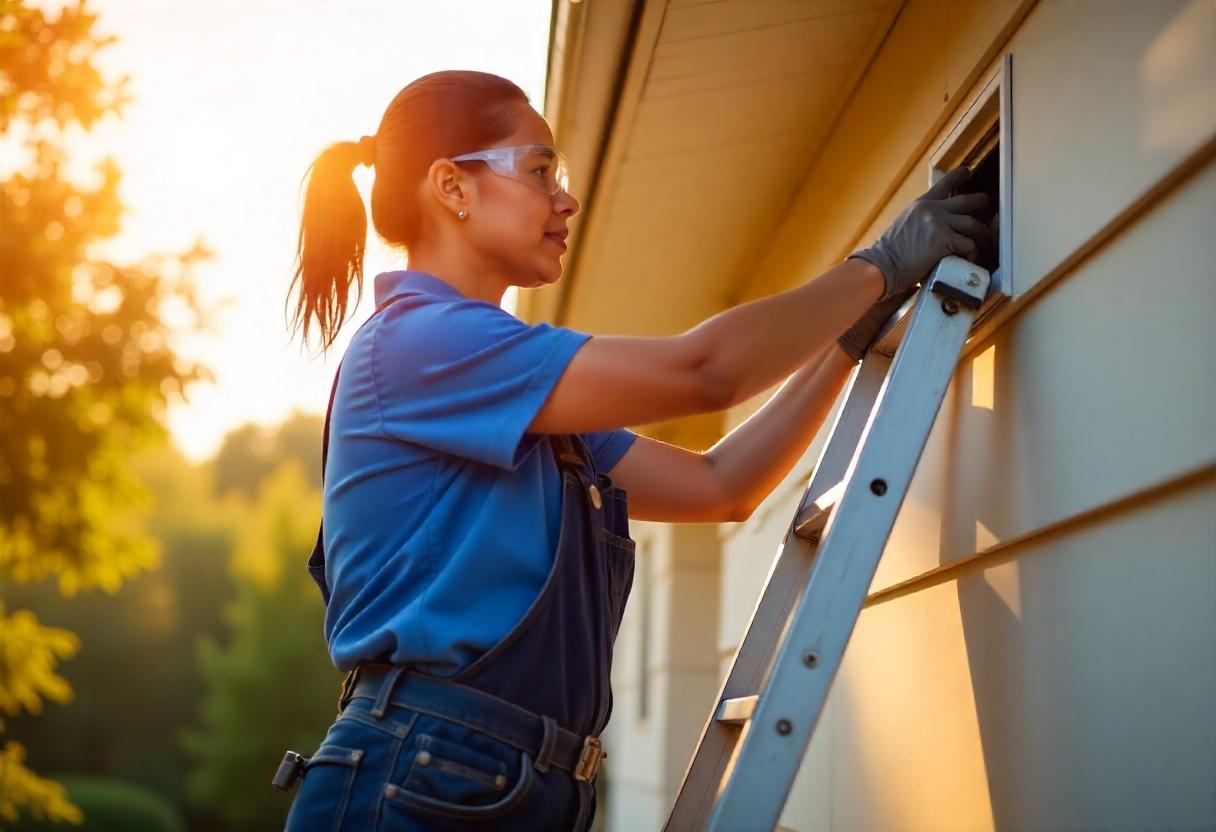
Technician standing on a ladder cleaning an exterior dryer vent on a house during daylight.

The average cost of dryer vent cleaning is between $100 and $150 across the country. But depending on your setup, it could be less or a lot more.

Here’s a quick breakdown:

Type of JobTypical Cost Range
Basic ground-level vent (easy access)$75 – $130
Second-story or hard-to-reach vent$130 – $200
Roof-mounted vent (needs ladders/safety equipment)$150 – $250+
Severe clogs or bird nest removalAdditional $100 – $200

Let’s have a closer look at these prices. 

1. Basic ground-level vent: $75 – $130

If your dryer vent is on the first floor and easy to reach from outside, you’re likely to spend the least. That’s because this is the most straightforward job that requires no ladders and or working in tight corners. 

Here, most professionals charge a flat rate in the range of $75 – $130 because it’s quick and low-risk.

You’re essentially paying for the technician’s time, tools, and the peace of mind that your dryer is running safely and efficiently again.

2. Second-story or hard-to-reach vent: $130 – $200

Let’s say your vent runs through a wall and exits on the second floor. Or maybe it is behind heavy appliances or tight spaces.

Now, in these cases you can expect to pay a bit more. After all, thorough cleaning might require longer hoses, extra time, or even partial disassembly of parts to reach the vent. 

Still, for under $200, it’s a smart investment to prevent potential fire hazards or dryer damage from poor airflow.

3. Roof-mounted vent (needs ladders and safety equipment): $150 – $250+

When your vent exits through the roof, the job becomes more complicated. Here, the cleaner needs to climb up, bring safety gear, and sometimes even deal with steep angles or slippery shingles. 

This is riskier and more time-consuming, which is why the price jumps here. Also, roof jobs can take longer because the technician has to clean both ends of the duct thoroughly from inside and on the roof.

4. Severe clogs or bird nest removal: Additional $100 – $200

If your vent hasn’t been cleaned in years or if birds, squirrels, or debris have made a home there, you can expect extra charges in the range of $100 – $200. 

Removing a nest, hardened lint, or even dead critters takes special tools and more labor. Also, it might require a second visit or disassembling parts of the vent. 

These situations pose serious fire risks, so although the cost is higher, it’s 100% worth fixing right away.

Regular air vents cleaning helps prevent these dangerous blockages and ensures your dryer is running efficiently.

Important note: Although cleaning companies charge a flat rate for standard jobs, the price usually goes up if:

  • The vent is hard to reach (like on the roof or behind walls)
  • The duct is extra long or has lots of turns
  • There’s a lot of buildup or a nest inside the vent

Did you know?

Some companies offer discounts when you bundle dryer vent cleaning with full duct or HVAC system cleaning. So, for a price range of $300-$800, you get what usually costs upward of $100. 

Clean-Air-Technologies's Logo
Angies Super Service
Accredited Business
Aeroseal

Schedule Your Free Estimate Today

Contact us to improve your indoor air
quality with our expert cleaning services in NJ.

How much does dryer vent cleaning cost in New Jersey?

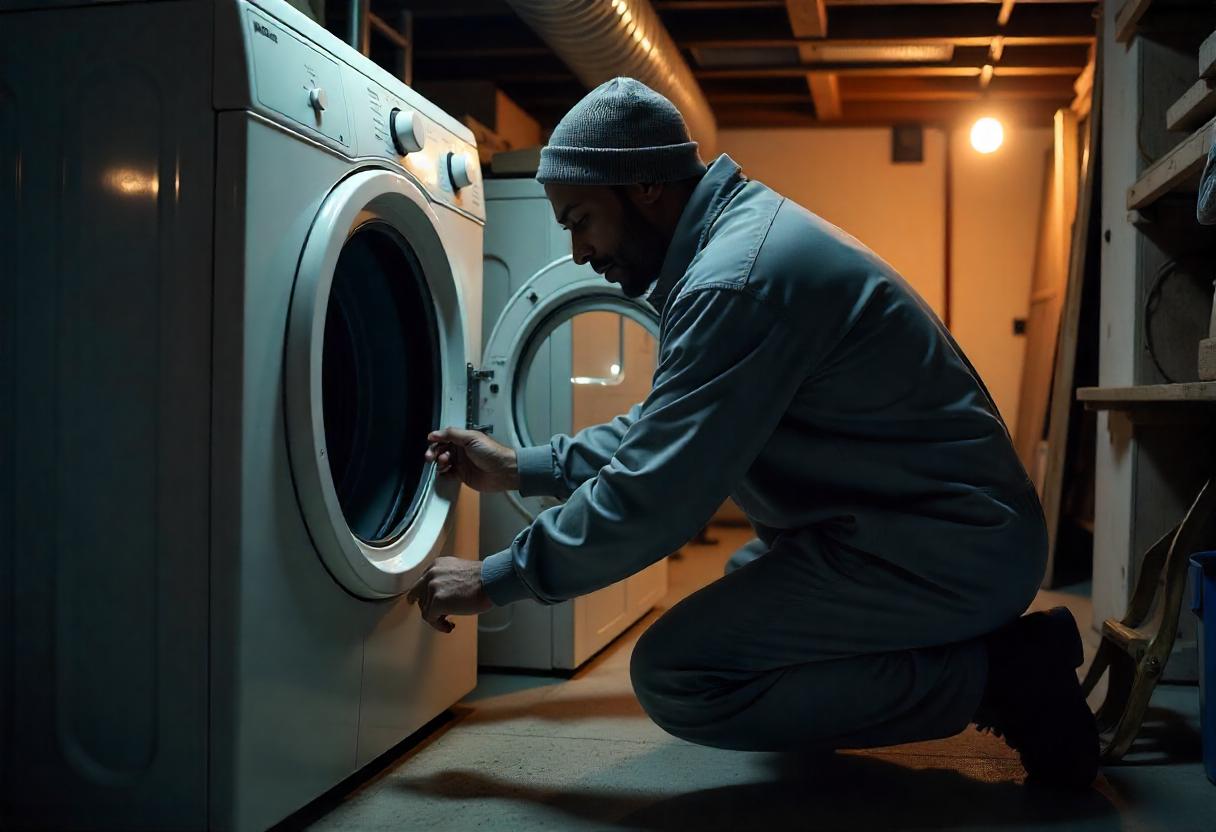
Professional inspecting and preparing to clean a household dryer in a basement laundry room.

If you live in New Jersey, the average cost of dryer vent cleaning will likely fall in the $100 to $150 range for a standard setup. 

That said, some companies offer flat-rate pricing as low as $89, especially for basic, ground-level vents.

Here’s what I found after researching local businesses and reading homeowner experiences across NJ:

Service TypePrice RangeDetails
Flat-Rate Deals (Basic Setup)$89 – $99– Ground-level vents- Interior & exterior cleaning- Airflow check- Photo proof
Average Jobs (Most Homes)$100 – $150– First-floor or exterior wall vents- Standard lint removal- Common across NJ counties
Higher-End Jobs (Complex Cases)$175 – $250+– Roof vents- Bird nests or clogs- Long duct runs- Seasonal upcharges in winter

1. Flat-rate deals (starting at $89 – $99)

Some companies in South Jersey advertise flat pricing for homes with easy-to-access dryer vents. These services usually include:

  • Interior and exterior vent cleaning
  • Airflow check
  • Lint removal
  • Photo proof (before and after)

2. Average range for most homes is $100 – $150

Most homeowners in NJ report paying in the range of  $100 – $150, especially if your vent is on the first floor or back wall. 

Also, many companies stick to a simple pricing model, which makes comparison-shopping easy.

You’ll often see this range from local service providers in:

  • Bergen County
  • Middlesex
  • Camden
  • Monmouth
  • Ocean County

3. Higher-end jobs (roof vents, nests, or long runs) cost $175 – $250+

If your vent exits through the roof, or if there’s a bird’s nest or severe lint buildup, expect the cost to go up. 

Roof access in NJ winters can also lead to higher seasonal pricing due to slippery conditions and added safety measures.

Quick tip:

Some companies also give discounts for senior citizens, veterans, or when you combine with other services (like HVAC cleaning or dryer duct repair). 

It never hurts to ask!

What’s covered in dryer vent cleaning prices and what’s not?

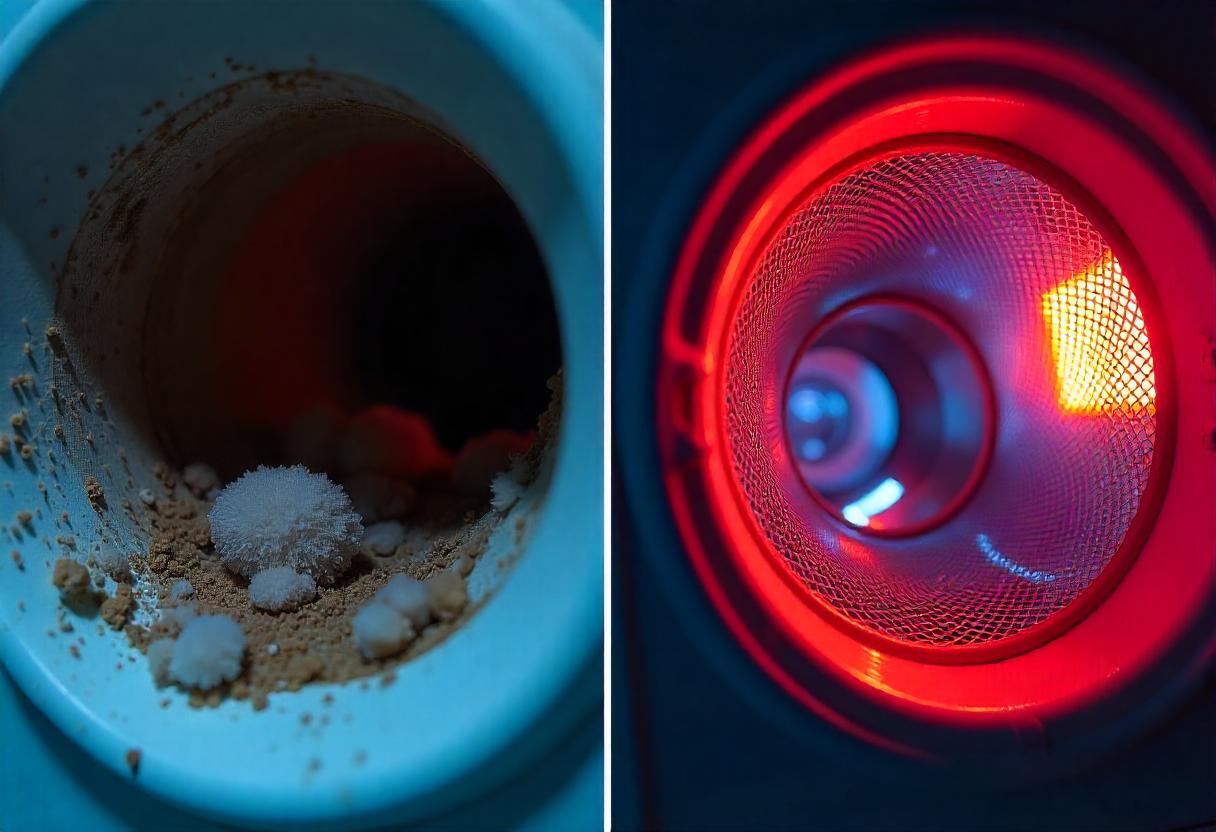
Close-up comparison of a dryer vent before and after cleaning, showing accumulated lint and a clear passage.

So you’ve got a quote for $120 or $200, but what exactly are you paying for?

This is one question I am often asked as a professional vent cleaner

Here’s what’s typically included in standard dryer vent cleaning, and what might cost more.

Usually included in the base price:

1. Full lint removal

The technician will use special brushes, vacuums, or even a spinning rod attached to a drill to remove lint from the vent line. This includes cleaning the duct from both the dryer side and the outside vent opening.

2. Vent cap check

They’ll inspect the vent hood (where the vent blows air outside) to make sure it opens and closes properly and isn’t blocked by debris or stuck shut.

3. Airflow test

Many professionals will also check how well the air is moving after the cleaning, just to confirm everything is flowing like it should.

4. Before and after photos

Some companies will show you pictures of your vent before and after cleaning. This is especially helpful if you weren’t home during the service.

Not included in the base price (extra charges possible):

1. Bird nest or animal removal

If birds or squirrels have set up camp inside your vent (which happens a lot), it usually costs extra to remove the nest and sanitize the area. This can add between $100 and $200+.

2. Roof access or high-up vents

If the vent exits through the roof or is on a second or third floor, most companies charge more for the added time, ladder work, and safety risks.

3. Dryer duct replacement or repairs

If your duct is damaged, crushed, or disconnected, the technician might recommend replacing it. Replacement is not included in a cleaning job and might cost extra $50 – $150+ depending on materials and labor.

4. Video camera inspection

Some companies offer camera inspections for long or complex ducts. This can add another $50 – $100, but it’s not always necessary unless there’s a suspected blockage.

Pro tip: Always ask what’s included upfront. A good company will tell you:

  • What they clean
  • How long it takes
  • What’s extra
  • And whether they guarantee the work

What determines your total dryer vent cleaning cost?

You might wonder why one person pays $90 and someone else pays $250 for the same cleaning job.

Let me tell you it’s not random since a few key things can seriously affect how much you’ll be charged for dryer vent cleaning.

Here are some of these important factors: 

1. Where your vent is located

Your dryer vent’s location makes a big difference. That’s because a first-floor vent is easy to clean, but if it’s on the roof, it needs ladders and safety gear. 

This extra effort means higher cost since it takes more time and special equipment.

2. How long and twisty the vent is

Short and straight vents are quick to clean. But vents that twist, turn, or run long distances take more work. 

Cleaning these tricky ducts needs more time and skill, which adds to the overall price you pay for the service.

3. Lint buildup or blockages

A little lint is simple to clear. However, if the vent has heavy buildup or something like a bird’s nest, it becomes harder. 

Removing thick clogs or nests can add extra cost, sometimes $100 or more, because it takes special tools and extra time.

4. Type of property

Cleaning vents in houses is usually straightforward. But apartments or condos may have tight spaces or shared vents, which makes the job harder. 

Limited access or complex layouts can increase the difficulty and, thus, the higher cost of cleaning your dryer vent.

5. Local labor costs

The cost of cleaning also depends on where you live. 

For instance, some places have lower prices or flat rates around $89. However, in cities with higher wages and insurance costs, the same job can easily cost $150 or more. 

6. Emergency or same-day service

If you need your vent cleaned urgently, like on the same day or weekend, expect to pay extra.

Rush services often charge fees because they drop other work to fit you in quickly. So, if you’re in a hurry, I suggest you ask your cleaning professional about emergency fees before booking.

DIY dryer vent cleaning: Is it cheaper?

Close-up comparison of a dryer vent before and after cleaning, showing accumulated lint and a clear passage.

The short answer is yes, it’s cheaper. 

But is it always a good idea? 

That depends.

Let’s look at both sides so you can decide what’s right for your dryer.

The DIY option 

You can buy a dryer vent cleaning kit online or at a hardware store for as little as $15 to $40.

These kits usually come with a long flexible brush that attaches to a power drill. All you’ve got to do is run it through your vent and pull out the lint. 

Simple enough for DIY dryer vent cleaning, right?

But there’s more to it. 

Here’s when DIY works fine:

  • The vent is short and straight (like right through the wall)
  • You can reach both ends of the duct easily
  • You’re comfortable using a drill and cleaning tools

Here’s when DIY might not be enough:

  • The vent goes through the roof or a second story
  • The duct is long or has lots of bends
  • There’s a nest or serious blockage inside
  • You haven’t cleaned it in several years

What a professional does differently

Cleaning professionals use high-powered vacuums, spinning brushes, long rods, and sometimes even cameras. They clean both the inside and outside of the vent thoroughly, check the airflow, and spot any issues you might not notice like loose connections, leaks, or damaged vent hood.

So while DIY saves you money upfront, it might miss deeper problems that could cause fires or dryer damage down the road.

Frequently asked questions

Is dryer vent cleaning really necessary every year?

Yes it is, and even if your dryer seems fine. 

You see, lint builds up over time, and once the vent clogs, it can become a fire hazard. So, annual cleaning keeps things safe, efficient, and saves money in the long run.

How often should you clean your dryer vent?

Here’s how often you should do vent cleaning based on how often you do laundry:

Laundry UsageRecommended Cleaning
Light use (1–2 loads/week)Every 12–18 months
Average use (3–5 loads/week)Every 12 months
Heavy use (daily loads)Every 6 months
Pet hair or long linty fabricsEvery 6–9 months

Some signs that it’s time to clean your vent:

  • Clothes take longer than usual to dry
  • Dryer feels hot to the touch after a cycle
  • You smell burning or musty odors near the dryer
  • Lint is building up around the vent opening
  • It’s been over a year since your last cleaning

Why is it important to clean the dryer vent?

Cleaning is important because, it:

  1. Prevents house fires by removing flammable lint buildup.
  2. Saves energy and lowers your utility bills.
  3. Helps clothes dry faster and more evenly.
  4. Extends your dryer’s lifespan by avoiding overheating.
  5. Keeps pests and moisture from invading your home

Can I clean my dryer vent myself?

Yes, you can, especially if the vent is short and easy to reach. 

In fact, DIY kits cost just around $20 – 40. 

But for roof vents, long ducts, or severe buildup, it’s best to call a professional. 

What’s the difference between dryer vent and air duct cleaning?

Dryer vent cleaning removes lint and buildup from the small exhaust pipe behind your dryer. 

Air duct cleaning, on the other hand, involves cleaning the heating and cooling system ducts throughout your whole house. This is a much bigger and more expensive job.

How long does a professional dryer vent cleaning take?

Most standard jobs take 30 to 60 minutes. But roof vents or clogged lines can take longer.

Can a clogged dryer vent damage my dryer?

Yes.

Poor airflow can cause overheating, wear out heating elements, damage sensors, and force your dryer to work harder than it should. 

Will my dryer work better after a vent cleaning?

Definitely. 

You’ll usually notice faster drying times, less heat buildup, and lower energy bills right away.

Clean-Air-Technologies's Logo
Angies Super Service
Accredited Business
Aeroseal

Schedule Your Free Estimate Today

Contact us to improve your indoor air
quality with our expert cleaning services in NJ.

Conclusion

Dryer vent cleaning isn’t the most exciting home task, but it’s one of the smartest. That’s because for $100 to $150, you’re protecting your home from fires, helping your dryer run like new, and saving real money on energy bills.

And if you’re in a place like New Jersey, you might even find reliable pros offering flat rates under $100.

So, no matter whether you go DIY or hire a professional, just don’t ignore it. 

Got more questions or want a full dryer vent cleaning in NJ?

You can get in touch with us! At Clean Air Technologies, we are professional dryer duct cleaners servicing Bergen County, Essex County, Hudson County, and more. And we’ve got all your cleaning requirements covered on a budget.