

Ever noticed white fuzzy patches growing on wood, walls, basement surfaces, or around damp areas in your home?
If yes, chances are you’ve found white mold.
You might have already heard about black mold, its dangers, and how mold abatement is the only way to completely get rid of it.
But when mold appears white, chalky, fuzzy, or powdery, it becomes hard to tell if it’s mold at all. This is why some people think it’s dust while others assume it’s mildew or harmless residue.
However, white mold in the house can absolutely become a serious problem if it’s ignored for too long.
This especially goes for homes in New Jersey that deal with moisture and mold problems in basements, crawlspaces, attics, and poorly ventilated areas.
So how do you tell if it is white mold?
Well, that’s exactly what this blog is all about. Read on to know:
- What is white mold
- What white mold looks like
- Is white mold dangerous to humans
- Where white mold usually grows
- And when you should call a professional for mold removal
Table of Contents
Key takeaways
- White mold is a type of mold growth caused by excess moisture
- It mold can appear fuzzy, powdery, cotton-like, or chalky
- It is commonly found in basements, crawlspaces, attics, and around water damage
- People often confuse white mold with mildew or mineral deposits
- White mold can trigger allergies, respiratory irritation, and asthma symptoms
- It can also damage wood, drywall, insulation, and other building materials
- Moisture control is the most important part of preventing mold growth
- Larger mold problems should always be handled by professionals
What is white mold?
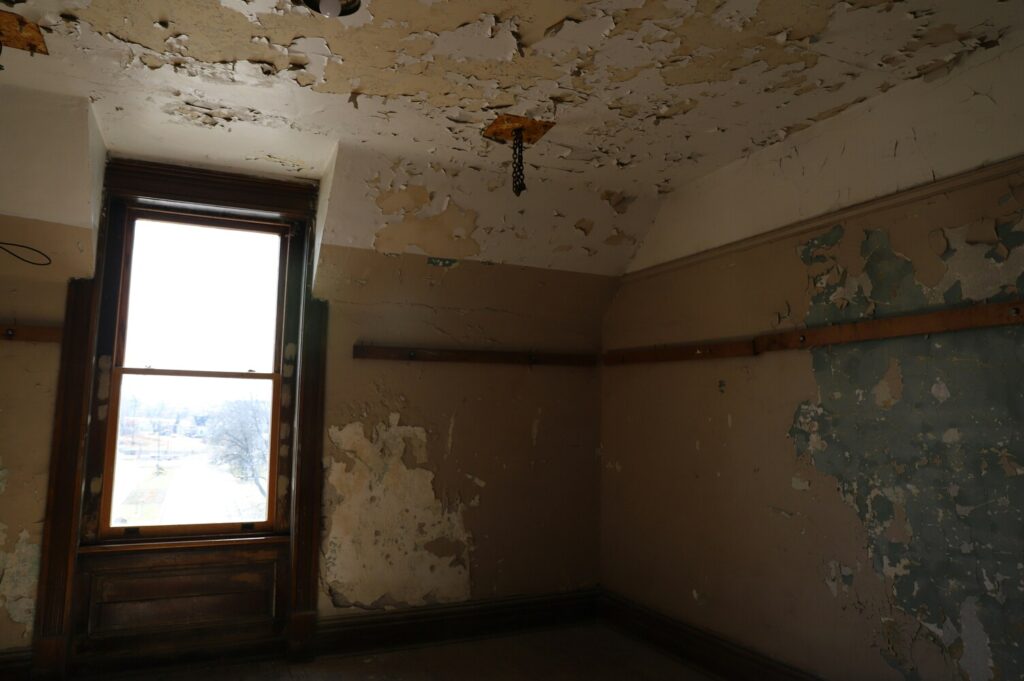
For starters, white mold is not one specific type of mold. Instead, the term white mold is used to describe several mold species that appear white, light gray, or chalky in color during certain growth stages.
You see, people expect mold to look dark green or black. But mold can actually appear in many different colors including white, gray, green, yellow, brown, or black.
White mold usually grows in damp, humid, or poorly ventilated areas where moisture stays trapped for long periods.
And unlike surface dust, white mold is a living fungus that spreads through microscopic airborne spores.
So, if moisture is present anywhere in your home, these spores can settle on surfaces and begin growing.


Contact us to improve your indoor air
quality with our expert cleaning services in NJ.
What does white mold look like?
White mold can look very different depending on the surface it’s growing on, humidity levels, the mold species, and how long it has been growing.
In many homes, white mold appears fuzzy, powdery, cotton-like, stringy, flaky, or filmy. Also, sometimes it looks soft and hairy, while the other times it might look more like chalk, dust, or a thin white film covering a surface.
This is one reason many homeowners ignore it at first. They assume it’s dirt, dust buildup, insulation fibers, or harmless residue.
White mold often appears on wood framing, drywall, cardboard, insulation, carpet, ceiling tiles, crawlspace beams, basement walls, and stored items. And in many cases, it might also develop inside HVAC ducts, necessitating a thorough air duct cleaning.
In short, here’s what white mold looks like:
| Look | Description |
| Fuzzy | Soft, cotton-like growth |
| Powdery | Dust-like layer on surfaces |
| Chalky | Dry, white residue |
| Stringy | Thin web-like growth |
| Filmy | Light coating over surfaces |
Is white mold dangerous?
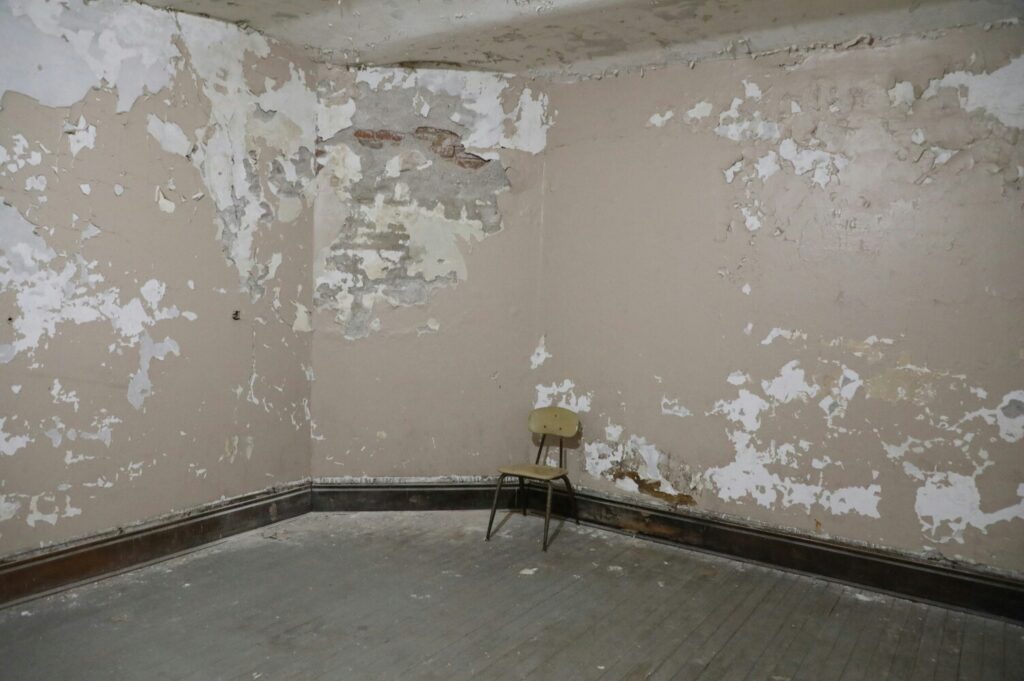
Now let me answer the biggest question you might have, i.e., whether or not is white mold dangerous.
The honest answer is: Yes, it can be dangerous.
You see, even though white mold looks less alarming than black mold, it can still create both mold-related health problems and property damage if it is left untreated.
That’s because mold releases tiny airborne spores that can affect indoor air quality. And over time, exposure to these spores can trigger symptoms in some people, especially:
- People with allergies
- Asthma sufferers
- Children
- Older adults
- Or individuals with weakened immune systems
So while white mold might not always be as toxic as certain black mold species, it is still not something you want growing inside your home.
In short, here’s why white mold is dangerous:
| Risk Area | Impact |
| Health | Allergies, irritation |
| Air quality | Spores in indoor air |
| Home damage | Wood, drywall decay |
| Spread | Moves into hidden areas |
| Long-term exposure | Worse symptoms over time |
Can white mold make you sick?
In many cases, yes.
White mold can make you sick, especially if exposure continues over time.
Now, not everyone reacts to mold the same way.
For instance, some people experience very mild symptoms. But others might react much more strongly depending on their sensitivity, allergies, asthma, immune health, and the amount of mold present.
So, depending on your sensitivity, you might experience common white mold exposure symptoms like coughing, sneezing, sinus congestion, throat irritation, itchy eyes, headaches, skin irritation, wheezing, or difficulty breathing.
Also, people notice these symptoms become worse in basements, near crawlspaces, inside damp rooms, or after running HVAC systems. That’s because mold spores circulate through the air and spread into other parts of the home.
In short, here’s how white mold can make you sick:
| Symptom | Description |
| Sneezing | Allergy-like reactions |
| Coughing | Airway irritation |
| Sinus issues | Congestion, pressure |
| Eye irritation | Itchy or watery eyes |
| Headaches | From poor air quality |
| Breathing issues | In sensitive individuals |
Is white fuzzy mold dangerous?
White fuzzy mold growth is usually a strong sign that active mold colonies are developing.
It often appears on wood, cardboard, fabric, drywall, insulation, or basement materials exposed to moisture.
And the fuzzy appearance happens because mold colonies produce thread-like structures as they spread across surfaces.
Now, while some white fuzzy mold might look harmless at first, it can still release spores into the air, spread deeper into materials, and damage building surfaces over time.
So yes, fuzzy white mold should always be taken seriously, especially if it continues spreading or keeps returning after cleaning.
Where does white mold usually grow in homes?
White mold almost always grows where moisture is present. That’s because mold spores need damp conditions in order to grow and spread.
In most New Jersey homes, white mold is commonly found in areas with high humidity, poor airflow, water leaks, condensation, or flooding history.
Here are some of the most common places where white mold in the house appears:
1. Basements
Basements are one of the most common areas for white mold growth. That’s because they usually have higher humidity levels, less natural ventilation, possible foundation seepage, and cooler surfaces where condensation builds up.
Here, white mold in basements often shows up on foundation walls, wooden beams, stored cardboard boxes, and insulation
2. Crawl spaces
Crawl spaces are another major hotspot because they tend to stay dark, damp, and poorly ventilated. This makes them the perfect environment for mold growth.
White mold here usually grows on floor joists, subflooring, and wooden structural supports
3. Bathrooms
Bathrooms deal with constant moisture from showers, sinks, and steam buildup. So if ventilation is weak or exhaust fans are not working properly, white mold can form around ceilings, grout lines, walls, and under sinks.
4. Attics
White mold in attics is very common because of roof leaks, poor ventilation, and trapped warm air meeting cold surfaces. You’ll often find white mold on roof decking, rafters, and insulation
5. HVAC systems and ducts
If moisture enters your HVAC system, mold can grow inside ductwork, air handlers, vents, and drip pans
And once that happens, mold spores can circulate through the entire home every time the system runs.
So if you ever notice a musty smell when AC or heat turns on, or unexplained allergy symptoms indoors, It’s worth getting HVAC system cleaning by certified professionals.
In short, here’s where you’ll commonly find white mold in the house:
| Area | Why it grows there |
| Basements | Damp, low airflow |
| Crawl spaces | Dark, humid environment |
| Bathrooms | Constant moisture |
| Attics | Roof leaks, condensation |
| HVAC systems | Hidden moisture buildup |
Is white mold bad for your home?
Yes, white mold can be bad for your home over time.
Even though it might start small, it can slowly damage wood structures, weaken drywall and insulation, stain surfaces, and reduce indoor air quality.
And the biggest issue is not just what you see on the surface, it is what’s happening underneath.
Mold tends to spread into porous materials, meaning it can grow inside walls and hidden spaces where cleaning alone won’t fully remove it.
So even a small patch should not be ignored if moisture is still present in your home.
In short, here’s why white mold is bad for your home:
| Damage Type | Effect |
| Wood | Weakening and decay |
| Drywall | Staining and breakdown |
| Insulation | Reduced efficiency |
| Air quality | Poor indoor environment |
| Hidden growth | Inside walls and ceilings |
Bonus: Here’s the difference between white mold vs mildew vs efflorescence
| Type | Appearance | Growth | Nature |
| White mold | Fuzzy or powdery | Spreads | Living organism |
| Mildew | Flat, powdery | Surface only | Surface fungus |
| Efflorescence | Chalky white | No growth | Salt deposit |
Tip: Here’s when you should call a professional for white mold removal
- Mold keeps coming back
- The affected area is growing
- There’s a strong musty smell
- Mold is inside walls or ceilings
- You suspect HVAC contamination
Contact us to improve your indoor air
quality with our expert cleaning services in NJ.
Final words
I am sure that, by now, you have a much clearer understanding of what is white mold and whether or not is white mold dangerous.
You see, white mold may not always look serious at first, but it should never be ignored. That’s because it can affect indoor air quality, trigger allergy and respiratory symptoms. and slowly damage building materials if moisture remains.
So instead of focusing only on what it looks like, your real priority should always be understanding why it is growing in the first place.
Got more questions or want a professional air duct cleaning in NJ?
You can get in touch with us!
At Clean Air Technologies, we help homeowners across New Jersey breathe cleaner air with detailed NADCA-certified air duct and HVAC system cleaning.
FAQs about white mold
Is white mold dangerous to humans?
White mold can be harmful to humans, especially with long-term exposure.
While not all types of white mold are highly toxic, they can still trigger allergies, respiratory irritation, coughing, and asthma symptoms.
What does white mold look like?
White mold usually appears fuzzy, powdery, cotton-like, or chalky. And it often grows on wood, drywall, insulation, and damp surfaces in basements, bathrooms, or attics.
Is white mold harmful if I touch it?
Touching small amounts of mold is not always immediately dangerous, but it is not recommended.
Mold spores can spread easily and irritate skin or cause allergic reactions in sensitive individuals. So it is best to avoid direct contact.
Is white fuzzy mold dangerous?
Yes, white fuzzy mold should be taken seriously.
The fuzzy texture usually indicates active growth, which means it is spreading and releasing spores into the air.
Can white mold make you sick?
Yes, white mold can make some people sick.
Common symptoms include sneezing, coughing, sinus issues, eye irritation, and breathing discomfort.
Does white mold always need professional removal?
Not always.
Very small surface spots may sometimes be cleaned safely.
But larger or recurring mold problems usually require professional inspection because the moisture source needs to be addressed to prevent regrowth.