
You might have noticed the buzz around ventless dryers lately, those sleek models that don’t need any external vent. They promise easy installation, less energy use, and a lot of convenience.
But are they actually a good fit for your home?
Well, it depends.
You see, ventless dryers are excellent if you live in a condo or have trouble installing a traditional vent.
Nevertheless, they also come with a few trade-offs, like longer drying times and some added humidity.
In this blog, I will walk you through all ventless dryer pros and cons, plus things you should keep in mind if you live in New Jersey.
So, let’s get started.
Table of Contents
Key takeaways
- Ventless dryers are good for apartments, condos, or homes where installing a vent is tricky.
- They work well for small loads of laundry, delicate clothes, and people who care about energy efficiency.
- Drying time, however, is longer than regular dryers.
- You should watch out for extra humidity in the room, especially during humid New Jersey summers.
- You might need a dehumidifier or extra ventilation to keep the air dry.
For starters, how do ventless dryers work?
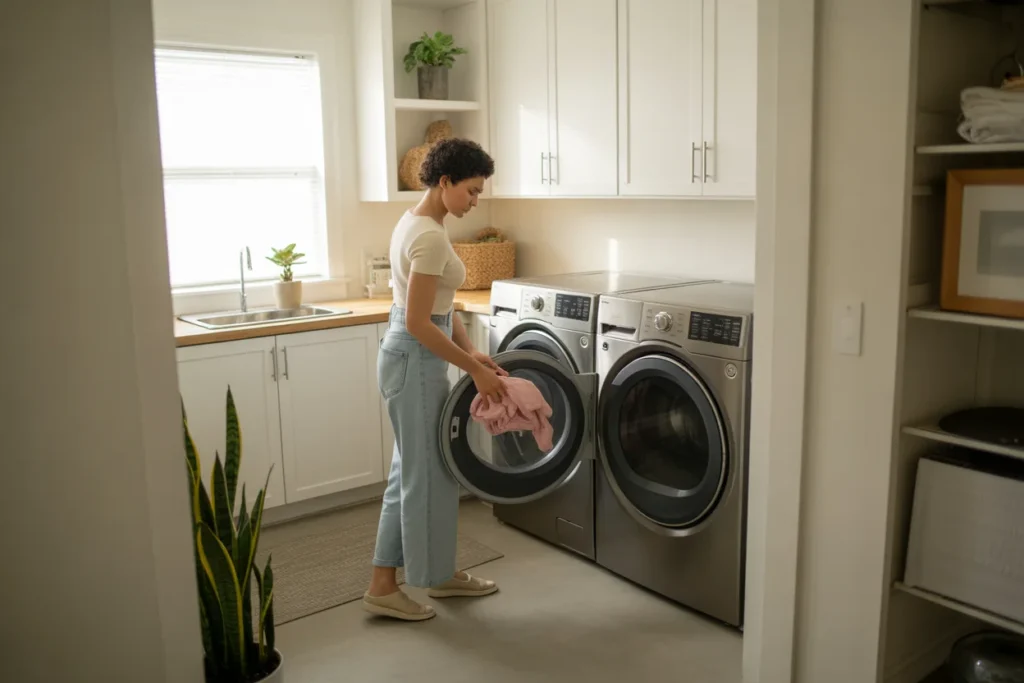
To begin with, ventless dryers come in two main types, namely, condenser and heat-pump dryers. And both dryer types work without needing an outside vent, making them great for apartments or places where installing a vent is tough.
Here are the two ventless dryer types and how they work:
- Condenser dryers: These dryers heat the air, pass it through your clothes, and then cool it down. The moisture from your clothes turns into water, which is either collected in a tray or drained away.
- Heat-pump dryers: These dryers use a heat pump to recycle warm air, which helps save energy. They dry clothes more gently and efficiently, but cost more upfront.
Notwithstanding their type, both ventless dryers collect moisture inside instead of pushing it outside.


Schedule Your Free Estimate Today
Contact us to improve your indoor air
quality with our expert cleaning services in NJ.
Ventless dryer pros and cons: What do you need to know?
Ventless dryers are getting popular by the day, especially among people who live in apartments and condos and need flexibility in their laundry setups.
However, even though they solve a lot of problems, like not needing to install a vent, they also come with their own set of challenges.
For instance, if you’re installing the dryer in a closet, it can lead to excessive humidity. Plus, it can also cause overheating and you might end up with a burning smell coming out of the dryer.
I have detailed all the pros and cons of ventless dryers, so let’s go over them all.
Ventless dryer pros
1. No external vent needed
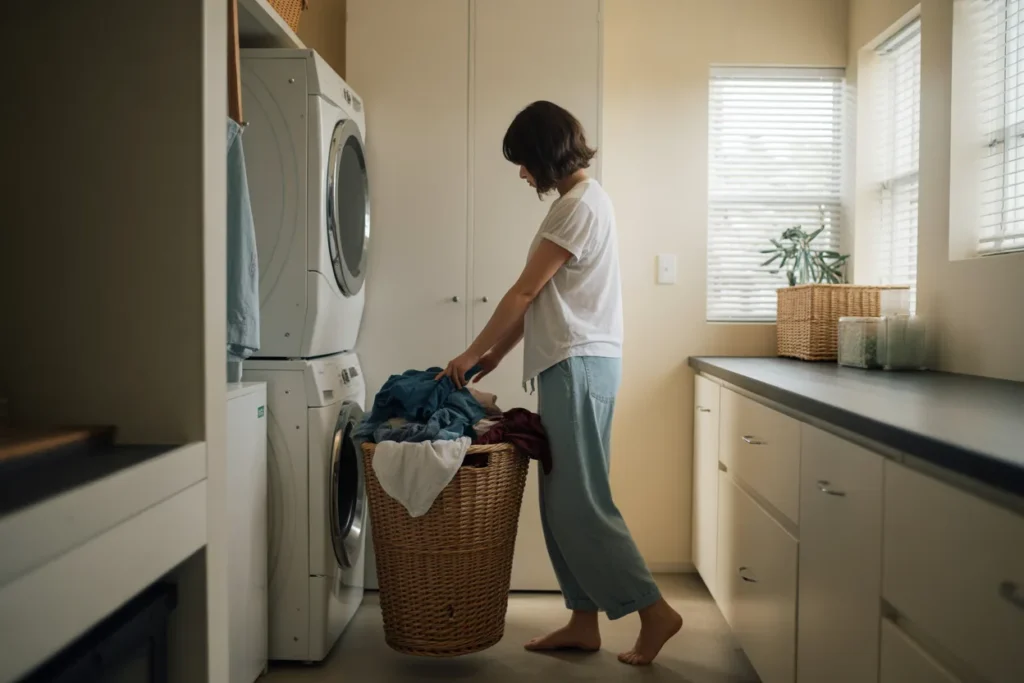
Ventless dryers are perfect for homes that don’t have a good way to run a vent.
For instance, if you live in a condo, apartment, or older home, installing a vent can be a huge hassle.
With a ventless model, you don’t have to worry about that at all. This means you can place the dryer pretty much anywhere, as long as there’s power.
2. Installation flexibility
One of the best things about ventless dryers is the flexibility they offer. That’s because, unlike traditional dryers that need to be placed near a vent or an exterior wall, ventless dryers can go in almost any room.
You can install them in a closet, bathroom, or even a kitchen cabinet, as long as you have the necessary electrical connections.
This makes them a great option for homes with tight spaces or no easy access to an exterior wall.
3. Energy efficiency (especially with heat-pump models)
Dryers use a lot of energy, and even with regular use chances are you’ll have increased energy bills.
But that’s not the case with heat-pump dryers. These models are more energy-efficient than traditional electric dryers because they recycle the warm air inside the dryer instead of letting it go to waste.
Although they cost more upfront, you’ll save on your electric bill over time. Unlike traditional vented dryers that require routine dryer vent cleaning in New Jersey to prevent lint buildup and fire risks, ventless dryers eliminate the need for exterior vent maintenance entirely.
4. Gentler on clothes
Ventless dryers dry clothes at lower temperatures, which helps protect delicate fabrics like wool, silk, or anything that’s prone to shrinking or fading.
So, if you’re tired of your clothes wearing out too quickly, a ventless dryer might be a good solution. The gentler drying process helps keep your clothes looking newer for longer.
5. Safe to use if even if there’s no place for venting
Ventless dryers are safer in places where venting might be a problem since they don’t need an exterior vent.
Plus, in a traditional dryer, the vent can get clogged with lint, which can cause a fire hazard.
Ventless dryers don’t have that issue either, and you won’t need to worry about your duct becoming blocked or damaged over time.
Ventless dryer cons
1. Slower drying time
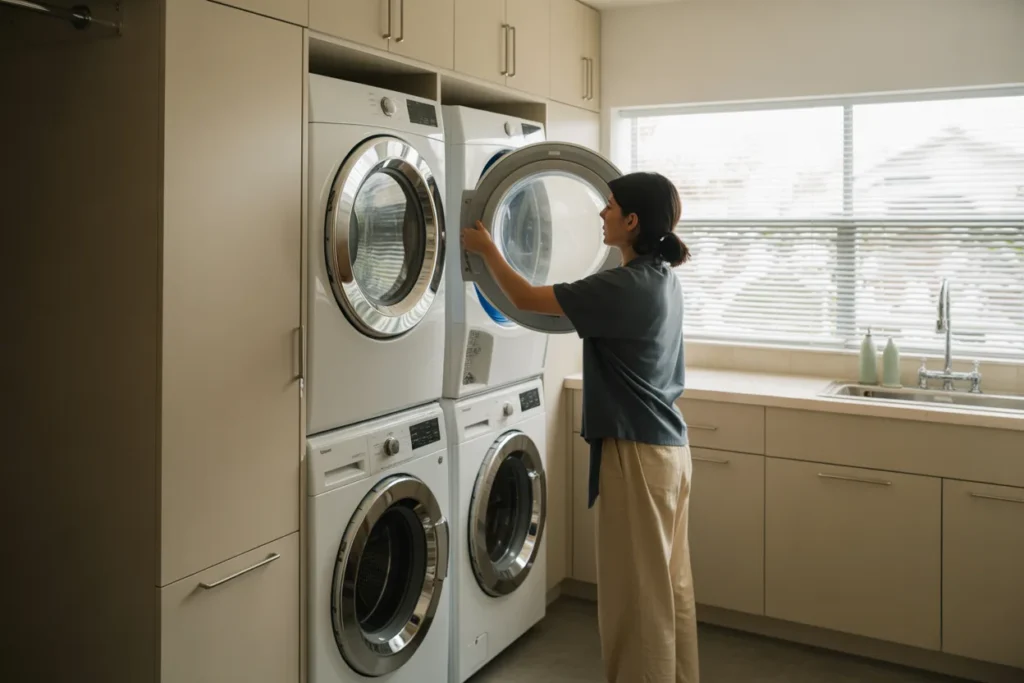
One of the most common complaints about ventless dryers is that they take longer to dry clothes compared to vented models. So much so that a typical ventless dryer takes 90 minutes to 2 hours to dry clothes for a normal load.
And this is especially true for older condenser models.
You see, since ventless dryers don’t expel hot air outside, the moisture in the clothes has to be absorbed and condensed inside the unit. This process is way slower, and you’ll need to plan for longer cycles when doing laundry.
2. Increases indoor humidity
Another downside to ventless dryers is that they add moisture to the room where they’re placed.
Why?
The moisture from your clothes is collected inside the unit instead of being vented outside. And it increases the humidity in your laundry room.
This is a big problem particularly in New Jersey where summers are very humid. So much so that you might need to run a dehumidifier or make sure the area is well-ventilated to avoid the damp feeling in the room.
3. Upfront cost is higher
While heat-pump ventless dryers are incredibly energy-efficient, they do tend to come with a higher price tag. And if you’re on a budget, this could be a dealbreaker.
However, the good news is that heat-pump models can save you money in the long run by reducing your energy bills.
4. Smaller drum capacity
Many ventless dryers have smaller drums compared to traditional dryers. This means you need to do smaller loads, which can be a hassle if you have a big family or need to dry lots of clothes at once.
Also, some ventless dryers have specific loading rules (like not overloading them) to ensure they dry your clothes properly. This might take some getting used to, especially if you’re used to throwing everything in one big load.
5. Maintenance
Although you don’t need to schedule regular dryer vent cleaning service, ventless dryers still need more attention when it comes to maintenance.
You’ll need to regularly empty the water reservoir (if your model has one) or make sure it’s properly plumbed to a drain.
Also, you’ll have to clean the condenser and filters more often than with a regular dryer.
TL;DR, here are all ventless dryer pros and cons:
| Pros | Cons |
| Perfect for spaces where installing a vent is tough. | Ventless dryers can take longer to dry clothes. |
| Can be installed in small spaces like closets or cabinets. | Moisture can build up, especially in humid NJ summers. |
| Heat-pump dryers recycle heat to save energy. | Higher upfront cost (for heat-pump models). |
| Lower temperatures help keep fabrics in better condition. | Some models have smaller drums, requiring smaller loads. |
| No vents to clog or pose fire risks. | Regular cleaning and draining are required to keep the dryer in good condition. |
Bonus: Here are all the differences between ventless and vented dryers
| Factor | Ventless (Condensor / Heat-Pump) | Vented Dryer |
| Installation | Easy, no exterior duct needed | Needs exterior vent/duct |
| Drying speed | Slower | Faster |
| Energy use | Heat-pump: very efficient; condenser: mid | Varies; electric vented often uses more energy |
| Indoor humidity | Can increase humidity | Exhausts moisture outside |
| Upfront cost | Heat-pump models cost more | Usually cheaper upfront |
| Where it fits best | Closets, condos, retrofits | Houses with exterior walls for venting |
What New Jersey residents need to know about ventless dryer installations?
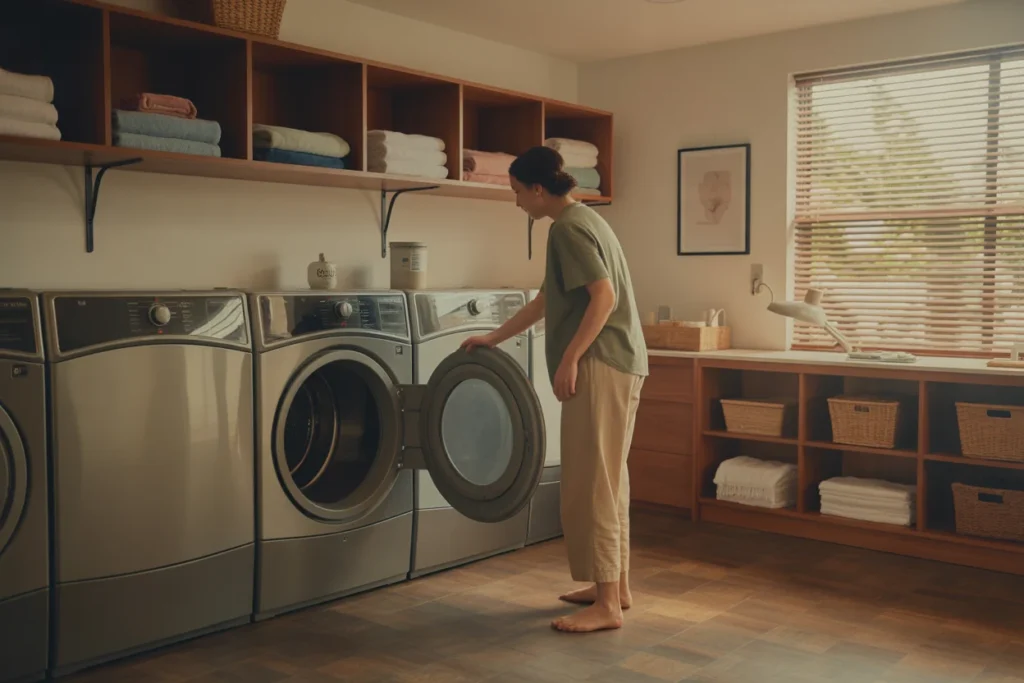
Ventless dryers are a great option in many situations, but there are a few important things to consider when it comes to homes in New Jersey.
The local climate, building types, and unique space challenges can all impact how well a ventless dryer will perform.
Because ventless dryers can affect indoor humidity and airflow, many New Jersey homeowners consult experienced indoor air specialists like Clean Air Technologies before deciding which dryer setup is right for their home.
Here’s everything you need to know:
1. Ventless dryers don’t fare well in humid summers
New Jersey summers can get pretty humid, and that’s something you’ll need to think about when using a ventless dryer.
You see, these dryers work by collecting moisture from your clothes. And if the area around the dryer isn’t well-ventilated, the extra humidity can quickly build up inside your home.
In a small laundry closet, this can lead to mildew, damp walls, and even a musty smell.
To avoid this, you might need to add extra ventilation or use a dehumidifier to keep things dry.
2. You need to factor space and layout
Many NJ homes, especially rowhouses, apartments, and condos, don’t have easy access to the exterior walls for venting. This makes ventless dryers a great choice when you can’t install a traditional vent.
However, if your building has limited space or layout challenges, you’ll need to carefully consider where the dryer will go.
Ventless dryers work best in spaces where airflow is at least somewhat decent, and where you won’t have to worry about moisture buildup or cramped conditions.
3. Basement are fine for ventless dryers but be cautious with closet installations
In New Jersey, many homes have basements that work well for ventless dryers. Basements generally have more natural airflow, so the humidity from drying clothes can dissipate more easily.
But if you’re thinking of putting your dryer in a small closet, you’ll need to be extra cautious. That’s because small enclosed spaces without ventilation can trap moisture and create a damp environment.
I suggest you place a dehumidifier or make sure the space has good airflow to prevent such issues.
4. Energy savings may or may-not offset the initial cost
Heat-pump dryers are energy-efficient, but it’s important you think about how often you run your dryer.
If you do laundry frequently, a heat-pump model can save you money over time.
However, heat-pump dryers also have higher upfront costs. So, do consider your typical usage and if energy savings can alone offset the initial cost.
TL;DR, here’s what New Jersey residents should know before installing ventless dryers:
| Consideration | What to Keep in Mind |
| Humidity | NJ’s humid summers can cause moisture buildup if there’s no ventilation. |
| Space and Building Type | Great for homes with no venting options, but airflow and space matter. |
| Placement | Basements are fine; small closets may need extra ventilation to prevent moisture. |
| Energy Costs | Heat-pump dryers save energy, but consider your usage and upfront cost. |
When to install a ventless dryer, and when not to?
Install a ventless dryer if:
- You live in an apartment/condo or older home with no practical exterior vent.
- You need flexible placement (closet, kitchen, interior laundry).
- You want the most energy-efficient option available.
- You do mostly small to medium loads.
Don’t install a ventless dryer if:
- You need rapid, frequent drying for large loads.
- You already have a good exterior vent and don’t want extra indoor humidity.
- You want the lowest upfront cost and fastest dry cycles.
Schedule Your Free Estimate Today
Contact us to improve your indoor air
quality with our expert cleaning services in NJ.
Final words
By now, I am sure you know all the ventless dryer pros and cons.
You see, these dryers are an excellent solution for many New Jersey homes, especially where venting is difficult or impossible.
But you should be prepared for slower cycles and pay extra attention to indoor humidity and maintenance.
Got more questions or want to schedule routine HVAC maintenance?
You can get in touch with us!
At Clean Air Technologies, we are seasoned HVAC professionals with 3+ decades of experience serving New Jersey homes. And we’ve got all your HVAC cleaning and maintenance needs covered on a budget.
FAQs about ventless dryers
Are ventless dryers safe?
Yes, ventless dryers are safe when installed and maintained properly. Unlike traditional dryers, they don’t expel hot air or lint through an exterior vent, which eliminates the risk of duct fires due to lint buildup.
However, the key safety concern is moisture buildup in the room where the dryer is located. If moisture isn’t properly managed, it can lead to mold or mildew.
Do ventless dryers use less energy?
Heat-pump ventless dryers are generally more energy-efficient than traditional vented dryers.
They work by recycling the hot air inside the unit, rather than venting it outside, which means less energy is wasted.
This process not only reduces electricity consumption but also makes them a more environmentally friendly choice.
Condenser models are somewhat energy-efficient but not as much as heat-pump versions.
Can I install a ventless dryer in a closet?
Yes, in most cases, ventless dryers can be installed in a closet, as long as there’s sufficient clearance and ventilation.
Unlike traditional dryers, ventless models don’t require an external vent, making them ideal for smaller or enclosed spaces.
However, it’s crucial to consider airflow and humidity. Without proper ventilation, moisture from the drying process can accumulate, leading to dampness, mold, or unpleasant odors.
Will my clothes wear out faster?
No, ventless dryers, especially heat-pump models, are actually gentler on clothes compared to traditional dryers. They operate at lower temperatures, which helps prevent fabrics from shrinking, fading, or losing their shape.
High-heat drying cycles can be harsh on delicate fabrics, but heat-pump dryers use a more gentle drying method that maintains fabric integrity. This makes them an excellent choice for items like wool, silk, and delicate synthetics.
How often do I need to clean a ventless dryer?
You should clean the lint screen after every load to prevent lint buildup.
Also, if your model has a water reservoir, you should empty it regularly, usually after each load.
For models with a condenser or heat pump, you will need to clean the condenser and filters every few months.