
Have you been sneezing more often at home lately?
Or maybe your home feels stuffy, and you can’t quite figure out why.
Sometimes, the problem isn’t what you can see, it’s the air you’re breathing.
You see, indoor air can actually be 2 to 5 times more polluted than outdoor air in many homes. And since we spend most of our time indoors, this can seriously affect comfort and health.
Now, the tricky part is this: Most air pollutants are invisible, which means you can’t always see or even smell them.
That’s why you need to test your home’s air quality to determine the extent of indoor pollution.
The good part?
You don’t always need expensive equipment to assess your indoor air quality and identify potential problems.
In this blog, I will explain how to test air quality in your home using DIY methods safely and effectively. You’ll learn:
- What indoor air quality testing actually means
- Different DIY methods to test air quality at home
- When you should get hire a professional for air quality assessment
- Common mistakes you should avoid
And much more.
So let’s get started.
Key takeaways
- Indoor air can be more polluted than outdoor air, especially in sealed homes.
- Common pollutants include dust, VOCs, mold, carbon dioxide, and radon.
- You can test air quality using visual checks, DIY kits, or air quality monitors.
- Air quality monitors provide the most accurate and continuous data.
- DIY methods help identify early warning signs but aren’t always precise.
- Professional testing is best for mold, radon, or serious contamination.
What does home indoor air quality testing mean?
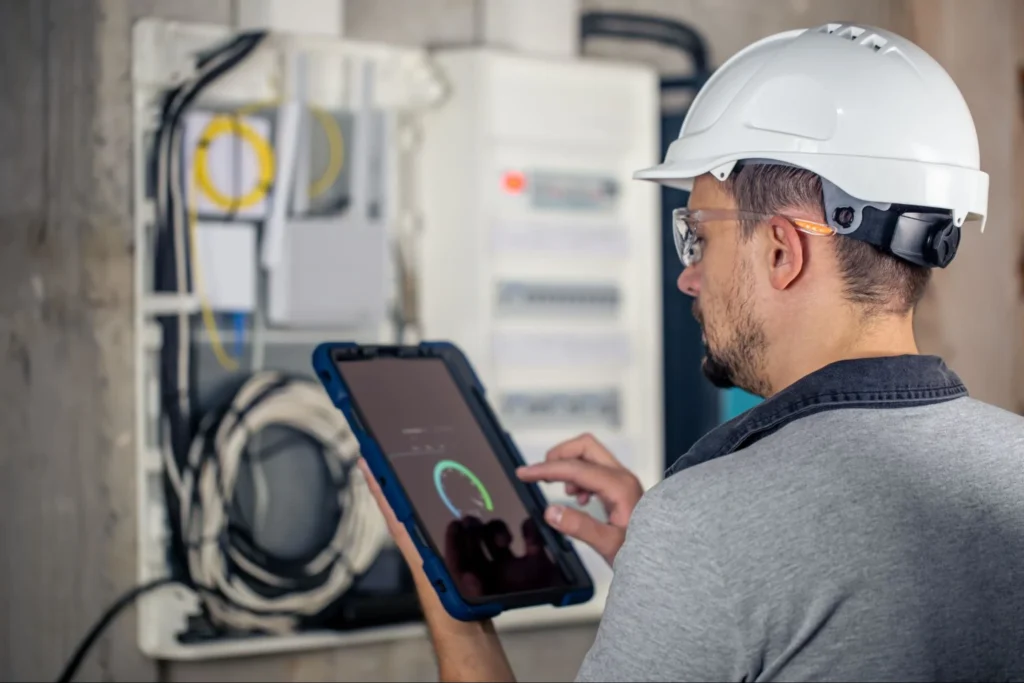
An indoor air quality testing simply means checking the air inside your home for pollutants that can affect your comfort and health.
We’re talking about things like dust and fine particles floating in the air, chemicals released from cleaning products or furniture (VOCs), carbon dioxide, mold spores, and even gases like radon.
A lot of these pollutants aren’t visible and they can seriously affect your health.
For instance, some of these pollutants, like dust buildup or musty smells, are easy to notice. But others, you won’t see or smell them at all.
That’s exactly why air quality testing is essential. It helps you identify hidden issues so you can take necessary action before they start affecting your home and your health.


Schedule Your Free Estimate Today
Contact us to improve your indoor air
quality with our expert cleaning services in NJ.
Is it necessary to test air quality in your home?
The honest answer is: Not always. But sometimes it’s absolutely necessary.
For instance, you should consider testing your air quality if:
- You notice persistent allergies or breathing issues
- Your home feels stuffy or poorly ventilated
- There’s visible mold or musty smells
- You’ve recently done renovations
- Your HVAC filters get dirty quickly
- There are pets or high dust levels
You see, poor indoor air quality can lead to health issues like headaches, fatigue, and respiratory problems over time.
So, while you don’t need constant testing, it’s smart to check when signs appear.
How to test air quality in your home? 7 things you can DIY
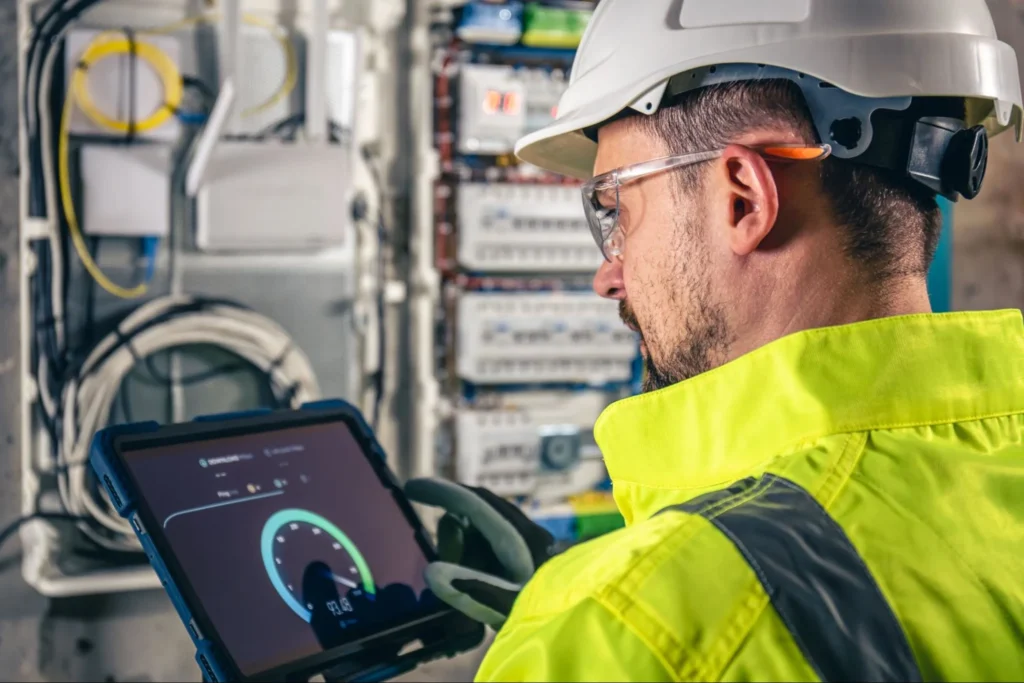
Testing air quality might sound a bit technical. But honestly, it doesn’t have to be complicated.
Once you understand what to look for, it becomes much easier to figure out what’s going on inside your home.
In most cases, you’ll be using a mix of simple observation, basic tools, and sometimes professional help (if needed).
The idea is simple: Identify the problem, confirm it, and then take the right action either yourself or with the help of a pro.
Overall, here’s how to test air quality in your home:
1. Start with a visual inspection
The easiest place to start is just by looking around your home. That’s because, sometimes, the signs are right in front of you, and you just need to notice them.
For instance, you can check for dust buildup on surfaces, dark spots around vents, mold in damp areas, or even water stains on walls and ceilings.
Also, trust your nose. Musty smells often point to moisture or mold, while strong chemical odors can signal poor air quality.
2. Pay attention to symptoms
Now, this might sound a little unusual, but your body can actually give you clues about your indoor air quality.
For instance, if you notice frequent sneezing, headaches, irritation in your eyes or throat, or even feeling tired at home, it could be linked to the air you’re breathing.
Of course, this isn’t a definitive test. But it’s often an early sign that something isn’t right.
3. Do a simple dust test
Here’s a quick and practical way to get an idea of what’s in your air. Take a clean cloth and wipe a surface in your home, like a table or shelf.
If dust builds up again very quickly, it could mean your home has poor filtration or airflow issues.
This simple check helps you understand whether dust and particles are constantly circulating through your space and if you need an HVAC air filter replacement.
4. Use a DIY air quality test kit
If you want a bit more clarity, DIY air quality test kits can be a good option. They’re simple to use and don’t require any technical knowledge.
You typically collect a sample from your home and send it to a lab for analysis. And the results can show the presence of pollutants like mold, radon, or chemicals.
While not perfect, DIY kits give you a much clearer picture than just a basic observation.
5. Use an indoor air quality monitor
This is one of the most reliable ways to keep track of your air quality at home.
Air quality monitors continuously measure different pollutants and give you real-time updates. They can track things like dust particles, humidity, CO₂ levels, and more.
You’ll start to notice patterns like air quality changes after cooking, cleaning, or closing windows in a few days. And this will help you make the right decisions about how to fix indoor air quality problems.
6. Test for specific pollutants
Sometimes, you don’t need a full air quality test. Instead, you can focus on specific issues depending on your situation.
For instance, if you suspect mold, you can test for mold directly. Similarly, if you live in a radon-prone area, you can do a radon testing.
Targeted testing is much simpler and more practical.
7. Analyze the test results and take necessary action
Once you get your test results, take a moment to understand what they’re telling you.
You can look for unusually high levels of pollutants, sudden spikes, or patterns that repeat over time.
And if you find issues, start with simple fixes like improving ventilation, cleaning vents or ducts, or replacing air filters.
Also, you can reduce sources of pollution, like strong chemicals or excess moisture.
Small changes like this can make a noticeable difference in your indoor air quality.
In short, here’s how to test air quality in your home:
| DIY Method | What To Do | Best For |
| Visual inspection | Check for dust, mold, stains, and odors | Quick initial check |
| Notice symptoms | Watch for allergies, headaches, irritation | Early warning signs |
| Dust test | Wipe surfaces and observe dust buildup | Identifying airflow issues |
| DIY test kit | Collect samples and send to lab | Moderate-level testing |
| Air quality monitor | Track pollutants in real-time | Continuous monitoring |
| Targeted testing | Test for mold, radon, or CO | Specific concerns |
| Analyze results & take action | Review results and fix issues like ventilation, filters, or moisture | Improving air quality |
Note: Hire a professional for detailed air quality testing if needed
If things seem more serious or unclear, it’s best to bring in a professional. They have the tools and experience to test your air more thoroughly.
Professionals can identify hidden pollutants, test multiple areas, and give you accurate results.
This is especially helpful if you’re dealing with mold, recent renovations, or ongoing health issues that basic testing can’t explain.
Some common mistakes to avoid during home indoor air quality testing

A lot of homeowners try to test their air quality but end up making small mistakes that affect the results.
And the thing is, these mistakes are easy to avoid once you know them.
Let’s look at some of the most common mistakes people make during home indoor air quality testing so you can test your air more accurately.
Mistake #1. Relying only on smell
It’s easy to assume that if your home smells fine, the air is clean. But that’s not always true.
Many harmful pollutants, like radon or carbon monoxide, have no smell at all.
So even if everything seems normal, there could still be hidden issues. That’s why proper testing is always more reliable than just trusting your senses.
Mistake #2. Testing only once
One of the biggest mistakes people make is testing the air just once and assuming that’s enough.
Air quality keeps changing throughout the day depending on activities like cooking, cleaning, or even opening windows.
A single reading won’t show the full picture. And it is always better to monitor over time to understand patterns.
Mistake #3. Placing monitors incorrectly
Even if you’re using a good air quality monitor, placing it in the wrong spot can give you inaccurate results.
For instance, placing it near windows, vents, or in corners can affect readings.
So, try to keep it at breathing height in commonly used areas so you get a more realistic idea of your indoor air quality.
Mistake #4. Ignoring humidity levels
A lot of people focus only on dust or pollutants and completely ignore humidity.
But humidity also plays a big role in air quality.
For instance, while high moisture levels can lead to mold growth and dust mites, very dry air can also cause discomfort.
Meaning keeping humidity balanced is just as important as reducing pollutants.
Mistake #5. Not taking action after testing
Testing your air is just the first step, and it doesn’t fix the problem on its own.
Some homeowners check their air quality but don’t make any changes afterward. And if you don’t act on the results, nothing improves.
Simple steps like better ventilation or filter replacement can make a big difference, but you have to act on the results first.
In short, here are the mistakes to avoid during home indoor air quality testing:
| Mistake | Why It’s a Problem | What To Do Instead |
| Relying on smell | Many pollutants are invisible | Use proper testing tools |
| Testing once | Air quality fluctuates | Monitor over time |
| Poor placement | Inaccurate readings | Place at breathing height |
| Ignoring humidity | Leads to mold growth | Monitor humidity levels |
| No action taken | Problems persist | Improve ventilation & filtration |
Bonus: Here’s when should you hire a professional
| Problem | Why Call a Professional |
| Visible mold | Requires safe removal and testing |
| High radon levels | Needs specialized mitigation |
| Persistent allergies | Full system evaluation needed |
| Renovation dust | Deep contamination possible |
| Unknown air quality issues | Requires advanced diagnostics |
Schedule Your Free Estimate Today
Contact us to improve your indoor air
quality with our expert cleaning services in NJ.
Final words
By now, you should have a clear understanding of how to test air quality in your home.
While it might seem technical at first, basic DIY-grade air quality testing is actually manageable for most homeowners.
In fact, with the right approach, you can:
- Identify hidden pollutants
- Improve your indoor environment
- Protect your family’s health
But remember, DIY methods are best for early detection and light issues. And if you’re dealing with serious contamination, it’s always safer to bring in professionals.
Got more questions or need complete air quality testing or air duct cleaning in NJ?
You can get in touch with us!
At Clean Air Technologies, we are seasoned NADCA-certified air duct cleaning professionals with 3+ decades of expertise in New Jersey. And we’ve got all your air duct cleaning needs covered.
FAQs about home indoor air quality testing
How often should you test air quality in your home?
Most homeowners should test air quality once or twice a year, or whenever symptoms or issues appear.
Can I test air quality without equipment?
Yes, basic methods like visual inspection and odor detection can help identify early signs, but they’re not precise.
What is the most accurate way to test indoor air quality?
Professional testing provides the most accurate results, followed by high-quality air quality monitors.
What pollutants should I test for?
Common ones include dust (PM2.5), VOCs, carbon dioxide, mold, and radon.
Will testing air quality improve my home?
Testing itself doesn’t improve air quality, but it helps you identify problems so you can fix them effectively.