
Most of us don’t really think much about our air ducts. After all, they’re hidden behind walls, ceilings, and vents, quietly moving air throughout your home.
But then, these ducts collect a lot of dust, dirt, debris, pet hair, allergens, and even mold.
And when the buildup gets bad, your HVAC system does start showing signs that something is wrong. This includes:
- Rooms feeling dustier than usual
- Rising energy bills
- AC not cooling the house the way it used to
These are all signs of dirty or clogged air ducts that affect indoor air quality, HVAC efficiency, comfort, energy costs, and even your family’s health.
Now, here’s the problem: Homeowners ignore these warning signs because they seem small at first. And that leaves them with HVAC maintenance bills worth thousands.
Thankfully, an early fix can be something as simple as air duct cleaning, which is way cheaper than a full HVAC servicing.
In this blog, I will walk you through 7 such warning signs of clogged air ducts that you should never ignore. Also, I will explain why they happen and how they can impact your home.
So, let’s get started.
Table of Contents
Key takeaways
- Clogged air ducts can reduce HVAC efficiency and increase energy bills.
- Excess dust around vents is one of the most common signs of dirty ductwork.
- Uneven airflow and inconsistent temperatures may indicate blocked ducts.
- Dirty air ducts can worsen allergies, asthma, and indoor air quality.
- Musty odors from vents may point to mold or moisture buildup inside ducts.
- Strange noises in ductwork can signal airflow restrictions or debris buildup.
- New Jersey homeowners may need more frequent duct cleaning due to seasonal HVAC usage.
- Regular air duct cleaning helps improve airflow, comfort, and HVAC performance.
7 Warning signs of clogged HVAC air ducts
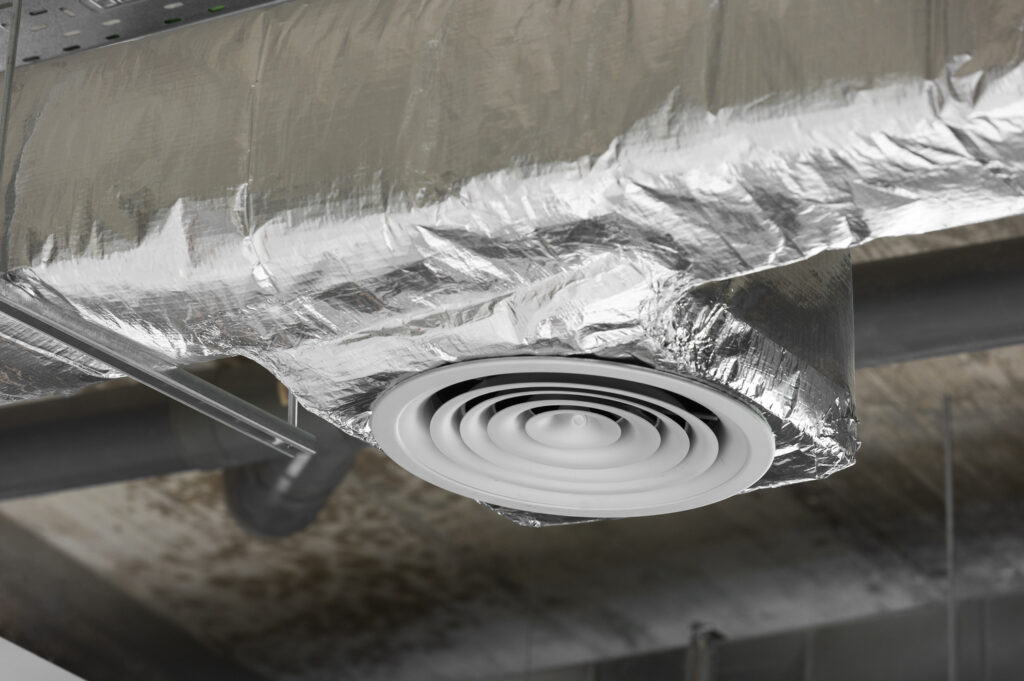
1. Your home gets dusty very quickly
One of the biggest warning signs of clogged air ducts is excessive dust buildup throughout your home.
Now, a little household dust is completely normal. But if you feel like you’re constantly dusting furniture only for the dust to come back almost immediately, your ductwork could be part of the problem.
You see, over time, air ducts collect dust, dirt, pet dander, hair, pollen, and other airborne debris.
And every time your HVAC system turns on, some of those particles can circulate back into your living spaces. This causes:
- Dust buildup around vents
- Dust collecting on furniture faster
- Dusty air inside rooms
- Poor indoor air quality overall
What’s tricky is that many homeowners assume the issue is simply normal household dust. But excessive dust accumulation is one of the earliest signs of dirty air ducts.


Contact us to improve your indoor air
quality with our expert cleaning services in NJ.
2. Your energy bills keep increasing
Have your heating or cooling bills suddenly gone up even though your usage habits haven’t changed much?
Well, clogged air ducts could be one of the reasons. Here’s how:
When airflow becomes restricted inside the duct system, your HVAC equipment has to work much harder to push air throughout the house.
And naturally, the harder your system works, the more energy it uses, the longer it runs, and the more strain it puts on HVAC components. This eventually causes:
- Higher utility bills
- Reduced system efficiency
- Extra wear and tear
- Shorter HVAC lifespan
3. Some rooms feel hotter or colder than others
Uneven temperatures throughout the house are another common sign of clogged ductwork.
For instance, maybe some rooms feel freezing cold while others feel warm and stuffy. Or maybe parts of your home never seem comfortable no matter how long the HVAC system runs.
Now, there can be multiple reasons for this. But weak airflow inside your duct system is often one of the biggest causes.
You see, when ducts become clogged with dust and debris, air can’t circulate properly in your home. This affects the airflow balance and prevents conditioned air from reaching certain rooms efficiently.
As a result, you notice:
- Weak airflow from vents
- Hot and cold spots
- Rooms taking longer to heat or cool
- Inconsistent comfort levels
4. You notice musty or unpleasant smells from vents
If your vents give off a musty, stale, or unpleasant odor whenever the HVAC system runs, that’s something you should never ignore.
That’s because in many cases, this can indicate dust buildup, mold in air ducts, moisture accumulation, or contaminants trapped inside the ductwork.
Now, let me explain why this happens.
When dust, dirt, and moisture collect inside ducts over time, they create the perfect environment for mold and mildew growth.
Then, every time your heating or cooling system runs, those odors circulate throughout the house. This creates:
- Musty smells
- Stale indoor air
- A damp odor near vents
- Unpleasant HVAC smells throughout the home
Humidity can make this issue even worse during New Jersey summers. And if mold growth develops inside the duct system, it can eventually affect indoor air quality as well.
That’s why bad smell from air ducts is considered one of the more serious signs your air ducts need cleaning.
5. Your allergies or respiratory symptoms get worse
Dirty air ducts can directly affect indoor air quality. And for people with allergies, asthma, sinus issues, or respiratory sensitivities, this can become a major problem.
Why?
You see, clogged ducts circulate dust particles, pet dander, pollen, mold spores, and airborne contaminants throughout your home every single day.
As a result, you experience more sneezing, coughing, congestion, itchy eyes, headaches, or worsening allergy symptoms indoors.
Now, while dirty ducts aren’t always the sole cause of indoor air problems, they can absolutely contribute to poor air circulation and airborne contaminant buildup.
And in many cases, homeowners only realize their ducts were contributing to the problem after a thorough HVAC system cleaning improved their indoor comfort.
6. Your HVAC system seems to struggle constantly
Another major warning sign of clogged air ducts is when your HVAC system seems to run harder than usual.
Now, this doesn’t always mean the equipment itself is failing. Sometimes, the issue is simply that airflow inside the duct system has become restricted due to dust buildup.
Nevertheless, when ducts become clogged with dust and debris, the system has to work much harder to move air throughout the house.
This can cause longer heating and cooling cycles, reduced airflow from vents, weak HVAC performance, and increased strain on system components.
Over time, this extra stress can eventually lead to:
- Higher repair costs
- Premature system wear
- Overheating issues
- HVAC system breakdown
7. You hear unusual noises coming from your ductwork
Your duct system shouldn’t sound overly loud during normal operation. So if you suddenly start hearing rattling, whistling, banging, vibrating, or excessive airflow noises there’s a good chance something isn’t right.
Now, some HVAC noise is completely normal. But unusual sounds can sometimes indicate:
- Airflow restrictions
- Debris buildup
- Loose duct connections
- Pressure imbalances inside the system
For instance a whistling sound might happen when air struggles to pass through restricted sections of ductwork. Similarly, rattling noises could indicate loose debris or disconnected duct components.
And banging sounds can sometimes result from pressure issues caused by blocked airflow.
Now, since these noises often develop gradually, many homeowners get used to them over time and stop paying attention.
But unusual duct noises are often one of the lesser-known warning signs of clogged air ducts.
In short, here are all the warning signs of clogged air ducts:
| Warning Sign | What It Could Mean |
| Excess dust in the home | Dust and debris circulating through ducts |
| Rising energy bills | Restricted airflow causing HVAC strain |
| Uneven room temperatures | Poor airflow distribution |
| Musty vent odors | Mold, moisture, or debris buildup |
| Allergy symptoms indoors | Poor indoor air quality |
| Weak HVAC performance | Blocked airflow in ductwork |
| Strange duct noises | Airflow restriction or debris problems |
Why are clogged air ducts especially critical in New Jersey?
Now, while clogged ductwork can happen anywhere, New Jersey homeowners often face a few additional challenges. That’s because our HVAC systems work heavily throughout the year.
For instance, during winter furnaces run constantly, homes stay closed up, indoor air circulation increases, and dust tends to accumulate faster.
Then during summer air conditioning systems run for long hours, humidity levels rise, and moisture-related duct issues become more common.
This combination increases:
- Dust buildup
- Indoor allergens
- Moisture accumulation
- HVAC strain
That’s why I can overstate the benefits of regular duct cleaning and HVAC maintenance for homeowners across New Jersey.
What happens if you ignore clogged air ducts?
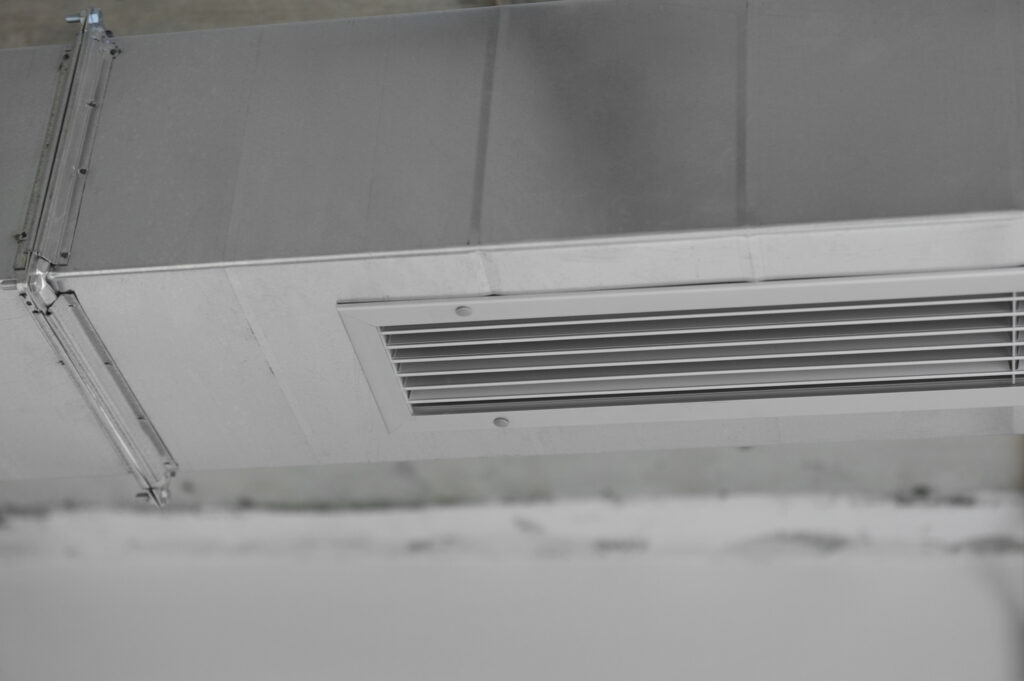
While clogged ducts might seem like a small issue at first, ignoring them for too long can eventually affect your HVAC system, indoor air quality, energy efficiency, and comfort.
Here are all the problems you can run into due to clogged air ducts:
1. Higher utility bills
When airflow becomes restricted, your HVAC system consumes more energy trying to maintain comfortable temperatures. And this leads to higher energy bills.
2. Faster HVAC wear and tear
The harder your system works, the more strain it experiences over time. This can eventually cause blower motor problems, overheating, and expensive HVAC repairs.
3. Poor indoor air quality
Dust, allergens, and contaminants trapped inside ducts can continue circulating throughout the home, causing poor indoor air quality.
4. Mold and moisture issues
If moisture buildup develops inside ductwork, mold growth can eventually spread through parts of the HVAC system.
5. Reduced comfort
If air ducts are clogged, rooms might feel uncomfortable, stuffy, dusty, or poorly ventilated even while the HVAC system is running constantly.
Bonus: Here’s a quick look at what can clog your air ducts over time
| Common Cause | How It Affects Ductwork |
| Dust buildup | Restricts airflow and circulates debris |
| Pet hair and dander | Increases allergens inside ducts |
| Dirty HVAC filters | Allows contaminants into the system |
| Moisture buildup | Can lead to mold and mildew growth |
| Renovation debris | Creates heavy dust accumulation |
| Lack of maintenance | Increases long-term duct contamination |
Contact us to improve your indoor air
quality with our expert cleaning services in NJ.
Conclusion
There you have it, 7 warning signs of clogged air ducts that you should never ignore.
And as you can see, dirty ductwork can affect far more than just airflow. It can impact indoor air quality, energy efficiency, HVAC performance, comfort, and even your family’s health.
Now, while some warning signs might seem small at first, ignoring them for too long can eventually lead to:
- Higher utility bills
- Poor HVAC performance
- Dust buildup
- Moisture issues
- Expensive repair problems
Got more questions or need experienced professionals to clean your air ducts?
You can get in touch with us!
At Clean Air Technologies, we provide professional air duct cleaning and HVAC services for homeowners throughout New Jersey.
Our team uses professional equipment and proven cleaning methods to help improve airflow, indoor air quality, and HVAC performance in your home.
FAQs about clogged air ducts
What are the warning signs of clogged air ducts?
Some of the most common warning signs include:
- Excess dust in the home
- Weak airflow from vents
- Uneven room temperatures
- Musty odors
- Higher energy bills
- Allergy symptoms
- Unusual noises from ductwork
Can clogged air ducts increase energy bills?
Yes.
When airflow becomes restricted, your HVAC system has to work harder to heat or cool the home. This increases energy usage and can lead to higher monthly utility bills.
How do dirty air ducts affect indoor air quality?
Dirty ductwork can circulate:
- Dust
- Pet dander
- Pollen
- Mold spores
- Airborne contaminants
And this can worsen your indoor air quality.
Can clogged air ducts make allergies worse?
Absolutely.
Dust, allergens, and other particles trapped inside ducts can continue circulating indoors and can worsen allergies, asthma, congestion, and respiratory irritation.
Why do my vents smell musty?
Musty odors from vents indicate dust buildup, moisture accumulation, or mold growth inside the duct system. This is especially common in humid conditions or homes with poor airflow.
Can clogged air ducts damage my HVAC system?
Yes.
Restricted airflow can place additional strain on HVAC components, potentially increasing the risk of overheating, system inefficiency, and premature equipment wear.