
From Nor’easters that dump snow overnight to mornings so cold your breath fogs up the windows inside the house, winter in the Garden State doesn’t mess around.
And when it hits, your HVAC system becomes more than just a convenience, it’s your lifeline.
But here’s the thing: Even the best heating systems can struggle, or worse completely fail, if they’re not properly maintained. And you definitely don’t want to deal with furnace issues when the wind chill’s in the single digits.
So how do you keep your home warm and cozy for the long and harsh winter spell?
Well, it’s not that complicated. Just follow a few simple HVAC tips for winter now, and you can avoid mid-winter breakdowns, cut down your energy bills, and stay toasty until spring.
I will walk you through each of these tips in detail along with my professional HVAC maintenance advice.
Let’s get started.
Table of Contents
Key takeaways
- Schedule a full HVAC tune-up before winter kicks in.
- Set your thermostat to 68°F for ideal comfort and savings.
- Clear snow and ice from vents and outdoor HVAC units.
- Seal drafts and upgrade insulation to prevent heat loss.
- Heat pumps need extra care, so don’t panic during defrost cycles.
- Maintain indoor humidity at 30-40% for comfort and health.
- Use NJ rebate programs to save on energy-efficient upgrades.
Winter HVAC tips for every NJ resident
1. Schedule a pre-winter HVAC service
Before you even think about snow boots or space heaters, a full HVAC service should be the first thing on your list.
Why?
You see, your HVAC system takes on the full force of New Jersey winters. And it needs pre-winter maintenance for uninterrupted heating.
A professional tune-up will ensure your heating system runs safely, efficiently, and reliably when you need it most.
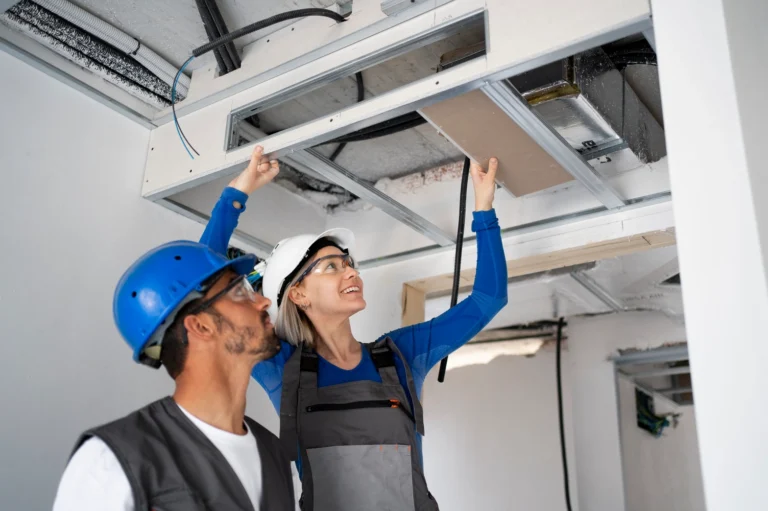
Now, during a pre-winter service, your technician should typically:
- Inspect your furnace or boiler for any gas or carbon monoxide leaks
- Clean the blower motor, burners, and internal components
- Test airflow to make sure it’s reaching every room
- Check the heat exchanger for cracks or corrosion
- Verify your thermostat is accurate and responsive
So, if you’re scheduling a service, make sure your technician does all of the above to fool-proof your system.
Pro tip: Don’t forget to replace your air filter. A dirty filter can choke your airflow and force your system to work harder, leading to higher bills and more dust in your home.


Schedule Your Free Estimate Today
Contact us to improve your indoor air
quality with our expert cleaning services in NJ.
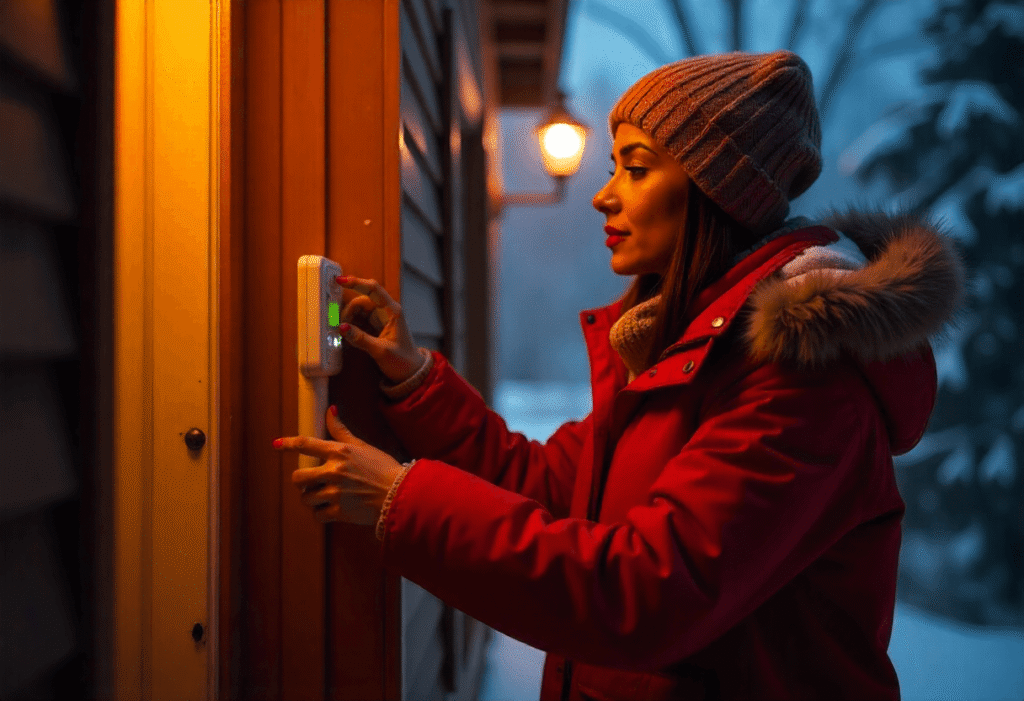
2. Set your thermostat a bit lower to save energy
Running your heat all day at 75°F might feel cozy, but it will certainly increase your energy bills.
So how about you lower the temperature just a little at around 68°F?
No, it won’t freeze you.
In fact, in most NJ homes, setting your thermostat around this range during the day can strike the perfect balance between comfort and efficiency.
Moreover, if you’re asleep or away, lower it by another 5-7 degrees and you help you save more energy without sacrificing warmth.
Note: If you’ve got a heat pump, be careful with large temperature changes. That’s because sudden temperature changes can trigger the system’s backup electric heating mode and increase your energy bills.
Pro tip: I suggest you install a smart thermostat that learns your schedule and adjusts automatically. Or take it a step further by using SimpleSwitch energy management system to monitor and optimize your home’s energy use more effectively. Many NJ utility providers even offer rebates to help cover its cost.
3. Clear snow and ice from outdoor units and vents
You might want to shovel the entire driveway after a snowstorm.
But what about your HVAC system?
It needs some attention too.
Here’s what you can do:
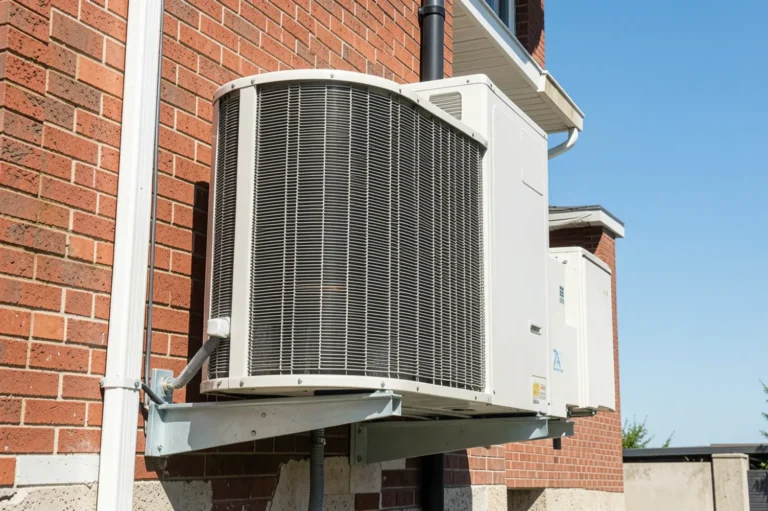
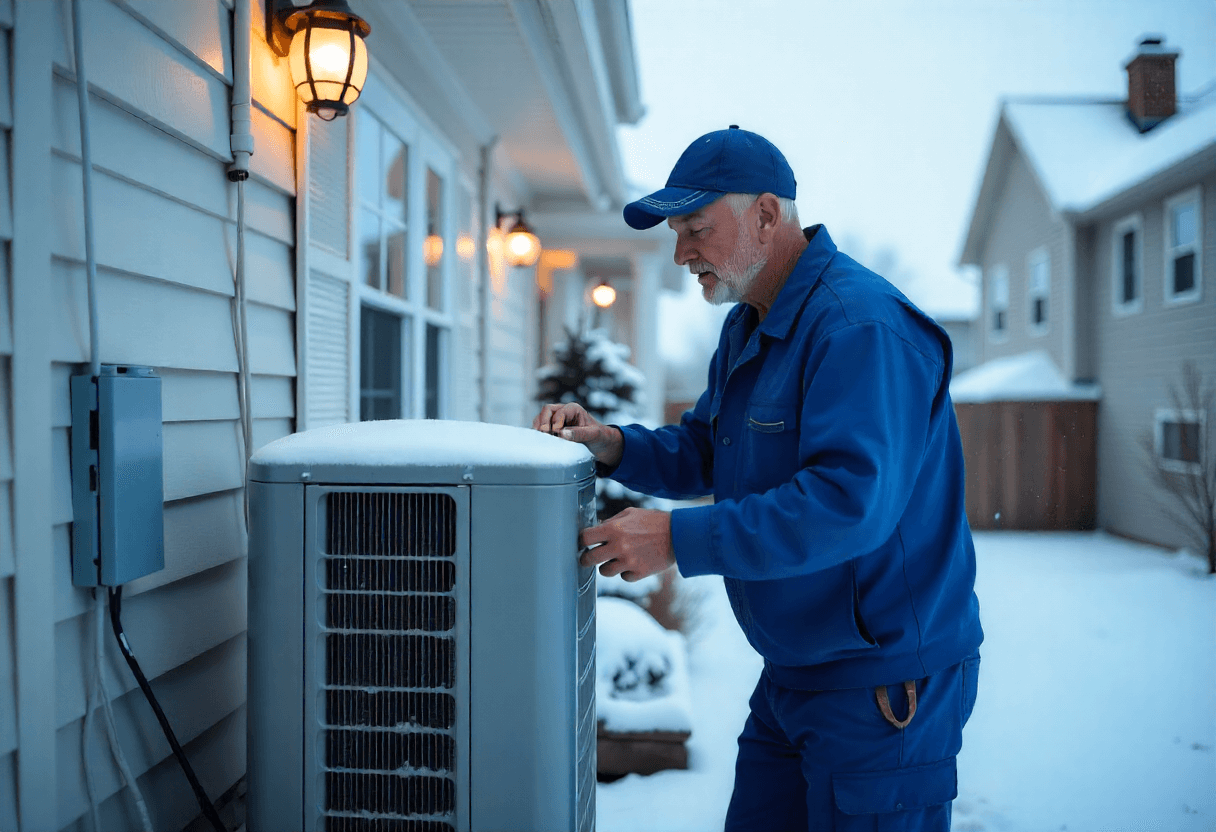
- If you have a heat pump, make sure there’s at least 18-24 inches of clear space around the outdoor unit. That’s because snow and ice buildup can block airflow and cause the system to shut down.
- If you have a high-efficiency furnace, check the PVC intake and exhaust pipes on the side of your home. If they’re covered in snow or ice, your furnace could stop working, or worse, vent harmful gases back into your home.
Pro tip: Always use a soft brush to clear the area and avoid banging, chipping, or using a shovel as these can damage the unit.
4. Seal drafts and improve your insulation
No matter how powerful your furnace is, it won’t keep your home warm if all the heat is escaping through cracks and gaps.
This is exactly why as part of my HVAC tips for winter I suggest homeowners a weekend to seal up their homes. Do this and you’ll feel the difference immediately, both in comfort and in your utility bills.
Here’s where you can start:
- Weatherstrip doors and seal around windows with caulk
- Use spray foam or sealant around plumbing, dryer vents, and wiring holes
- Check your attic insulation. NJ homes typically need R-38 to R-60 insulation for optimal winter protection
5. Homes with heat pump need special care
Heat pumps are becoming more popular across New Jersey, and they’re great for year-round comfort.
But they work differently than gas furnaces. So keep these winter-specific tips in mind:
- Don’t be alarmed if the air feels cool during a defrost cycle, that’s totally normal
- Prevent dripping water from gutters or downspouts from freezing on the outdoor unit
- Switch to emergency heat only if your system completely stops working
Considering an HVAC upgrade?
Ask your contractor about cold-climate heat pumps. They’re designed to perform even in sub-freezing NJ temperatures.
6. Maintain consistent indoor humidity levels
Dry winter air isn’t just uncomfortable, it can actually make your home feel colder than it is, even when the thermostat says it’s warm.
So, take my advice and try to keep your indoor humidity between 30% and 40% throughout the winter months.
You see, if indoor humidity is too low, you can end up with skin, scratchy throats, and static shocks.
7. Make the most of NJ rebates
If you own a home anywhere in the state, you’ve got access to some excellent rebate programs for energy upgrades. This includes rebates on things like smart thermostats, insulation, and high-efficiency heating systems.
Do check with your utility provider before making any upgrades and you can save hundreds.
Sounds amazing, doesn’t it?
Here’s a quick pre-winter HVAC checklist for NJ homeowners:
| Task | Why It Matters |
| Pre-winter tune-up | Ensures safety, efficiency, and peace of mind |
| Air filter swap | Improves airflow, energy efficiency, and air quality |
| Thermostat set to 68°F | Balances comfort with cost savings |
| Snow/ice clearance around HVAC | Prevents airflow issues and functional hazards |
| Seal drafts & boost insulation | Keeps heating in, drafts out |
| Monitor heat pump cycles | Maintains system health and avoids DIY repairs |
| Track rebates & safety devices | Saves money and keeps you safe |
You might also want to read: How Much Does Air Duct Cleaning Cost In New Jersey?
Final thoughts
Winter in New Jersey doesn’t take it easy and your HVAC system shouldn’t either.
With the above HVAC maintenance tips for winter you can stay warm, avoid mid-season breakdowns, and keep your energy bills in check.
Be it scheduling a quick tune-up, sealing up those chilly drafts, or taking advantage of local rebates, each of the tips give you peace of mind all winter long.
Got more questions or want expert help?
We’ve got you covered!
At Clean Air Technologies, we’ve been keeping NJ homes warm for nearly 30 years. Get in touch with us now and we’ll make sure your HVAC system is ready for whatever winter throws your way.
Schedule Your Free Estimate Today
Contact us to improve your indoor air
quality with our expert cleaning services in NJ.
Frequently asked questions about winter HVAC tips
How often should I service my HVAC system in winter?
Once a year is perfect, ideally before the cold really kicks in. A quick tune-up in the fall can save you from major problems when it’s freezing out.
Is it really worth installing a smart thermostat?
Absolutely.
Smart thermostats learn your schedule, help lower your energy bills, and many NJ utility providers offer rebates to help cover the cost.
It’s one of those upgrades that pays for itself pretty quickly.
My furnace is working, but some rooms still feel cold. Why?
That could be poor airflow or insulation issues. Make sure your vents are open and unobstructed.
Also, check for drafts around windows or doors. Those little gaps can make a big difference.
How do I know if my attic insulation is enough?
A quick rule of thumb: If the insulation is below the level of your floor joists (the wood beams), you probably need more.
In New Jersey, R-38 to R-60 is ideal for winter comfort and energy savings.
What should I do if snow covers my outdoor HVAC unit?
Gently clear the snow with a soft broom or brush. And never use a shovel or bang on the unit.
Snow and ice can block airflow or damage components, so check it after every storm.
What’s the right indoor humidity level for winter?
Indoor humidity levels between 30-40% is the sweet spot to keep your air comfortable without causing dry skin, static shocks, or foggy windows.