

Can I put a filter on return air vent?
This is one question a lot of New Jersey homeowners ask me. More so when they’re dealing with dust, pet hair, allergies, and other air quality issues.
Now, if you’re looking for an answer to this online, you’ve probably come across mixed opinions.
After all, while some HVAC experts say return vent filters are good, others say they’ll damage your HVAC system.
So what’s the truth?
For starters, you can put a filter on a return air vent. But it’s not always a good idea.
It all depends on how your HVAC system is designed, how many return vents you have, and what type of filter you use.
In this guide, I will break it all down. You’ll know:
- When return vent filters make sense
- When they cause problems
- Pros and cons of placing filters on return vents
- What I suggest homeowners in NJ
And a lot more.
So, let’s get started.
Table of Contents
Key takeaways:
- You can put a filter on a return vent, but it’s not always a good idea.
- One properly sized central filter is usually enough for most homes.
- Return vent filters help with dust, pet hair, and hard-to-reach main filters.
- Too many filters or high-MERV filters can reduce airflow and damage your HVAC.
- Always prioritize airflow over heavy filtration for system health.
- Regular filter changes are critical as a dirty filter can harm your HVAC system.
- Older homes or undersized ducts need professionally installed filters.
What is a return air vent ?
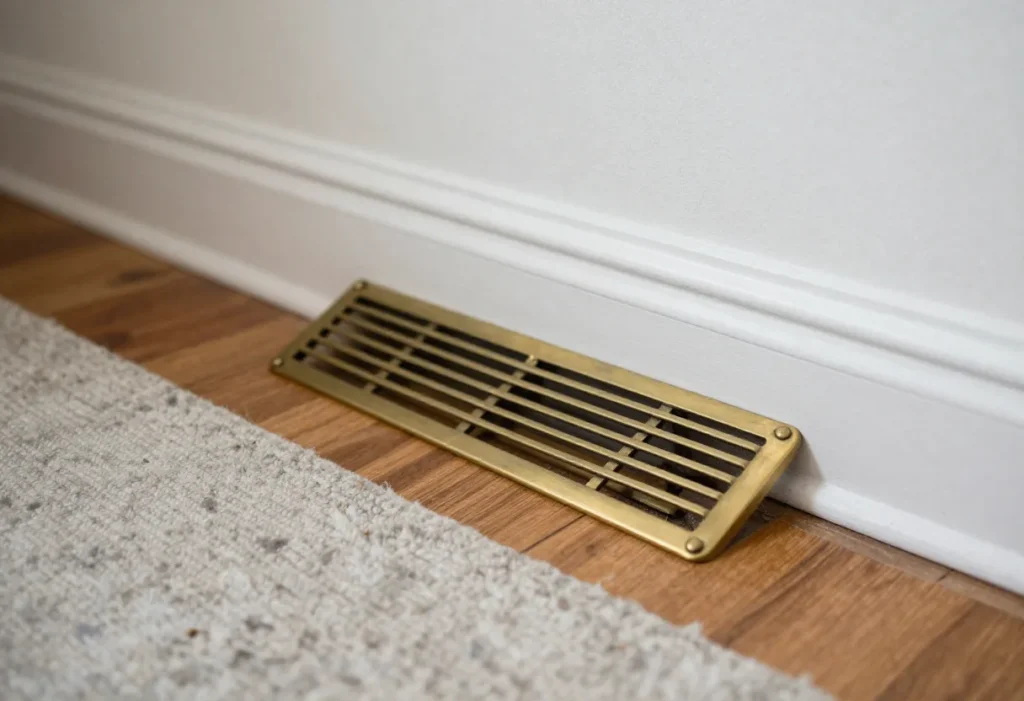
Your HVAC system doesn’t just blow air into your home, it also pulls air back in. And that’s the job of the return air vent.
While supply vents push warm or cool air into your rooms, return vents quietly do the opposite. They pull that air back to the system so it can be filtered, reheated, or cooled again.
In fact, return vents are more important than you might realize. That’s because they keep air moving smoothly through the system, help maintain consistent temperatures from room to room, and protect sensitive HVAC components from dust and debris buildup.
Now, most HVAC systems are designed with one main air filter, usually at the furnace or inside a return duct.
In this blog, we are talking about whether or not you can put an extra filter outside the return vent.


Schedule Your Free Estimate Today
Contact us to improve your indoor air
quality with our expert cleaning services in NJ.
Can you put a filter on return air vent?
Yes, you can put a filter on a return air vent.
In fact, some return vent covers are made to hold filters, so it’s easy to assume.
But here’s the tricky part.
You see, just because something fits doesn’t mean it’s right for your HVAC system.
This is especially true for return vents that are designed to pull back air freely into the unit. So, if you add a filter in the wrong spot, or a filter that’s too thick, you can slow down that airflow without even realizing it.
This restriction might not cause problems right away. But over time it can lead to issues like poor heating or cooling, higher energy bills, or extra strain on your system.
Simply put, installing a return vent filter is possible. However, whether you should do it depends on how your system is designed, how many returns you have, and what type of filter you’re using.
What are the pros of putting a filter on return air vent?
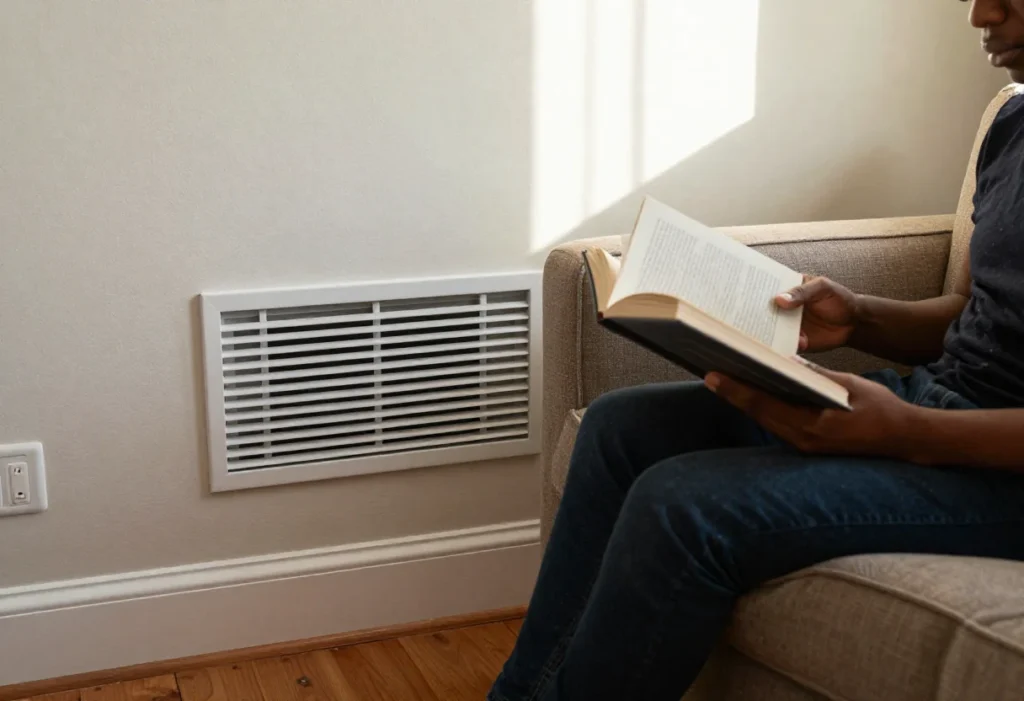
When you use filters on return vents the right way, they can definitely offer some benefits.
Sure, they’re not a one-size-fits-all solution. But in the right setup, they can make a noticeable difference.
These filters work by catching larger particles before air travels deep into your HVAC system.
So, if you’ve been dealing with dust, pet hair, or hard-to-reach filter locations, return vent filters can be a practical upgrade.
Overall, here are the benefits of using an air return vent with filter:
1. Helps capture dust and pet hair early
One of the biggest advantages of return vent filters is that they catch dust, lint, and pet hair right where the air enters the system.
This means less debris traveling through your ductwork and settling on HVAC components.
If your home has shedding pets, older carpeting, or noticeable dust buildup, this can be especially helpful.
While these filters won’t eliminate dust completely, they can reduce how much dust ends up inside the HVAC system. All you’ve got to do is schedule an air filter replacement every month or so.
2. It is easy to install
In many New Jersey homes, the main HVAC filter isn’t easy to reach. It might be tucked into a basement ceiling, a crawl space, or an attic air handler.
Now, when filters are hard to access, they often don’t get changed as often as they should.
Return air vents, on the other hand, are usually in walls or floors and easy to replace. This convenience alone can be a big advantage, because old/dirty air filters do more harm than good.
3. It is useful when there’s no central filter
Some older HVAC systems simply weren’t built with a dedicated central filter slot. And in these systems, homeowners might not have a clear place to install a standard filter.
For these setups, return vent filters come in handy as a practical solution.
While it might not be as good as a central filter, it’s better than letting unfiltered air move freely through your HVAC system.
4. Helps filter air evenly in homes with large return vents
Homes with multiple large return vents may tolerate low-resistance filters, but only if airflow has been tested and approved by a professional. When properly designed and balanced, this setup can help filter air more evenly throughout the home without restricting airflow.
However, you’ve to ensure that the airflow is properly balanced across all areas of your home.
In short, here are all the pros of putting a filter on return air vent:
| Pros | Takeaway |
| Capture Dust & Pet Hair | Stops dust, lint, and pet hair before it enters ducts; reduces buildup if changed regularly. |
| Easier Access | Return vents are often easier to reach than attic or basement filters, making timely changes more likely. |
| No Central Filter | Works as a practical solution in older systems without a main filter. |
| Multi-Return Homes | Can help if multiple large returns exist and low-resistance filters are used; needs professional guidance. |
Bonus: Not sure when to schedule an air filter replacement?
You can read my blog on how often to change air filters and get expert-backed timelines on when to replace air filters based on your HVAC system and filter type.
What are the cons of putting a filter on return air vent?
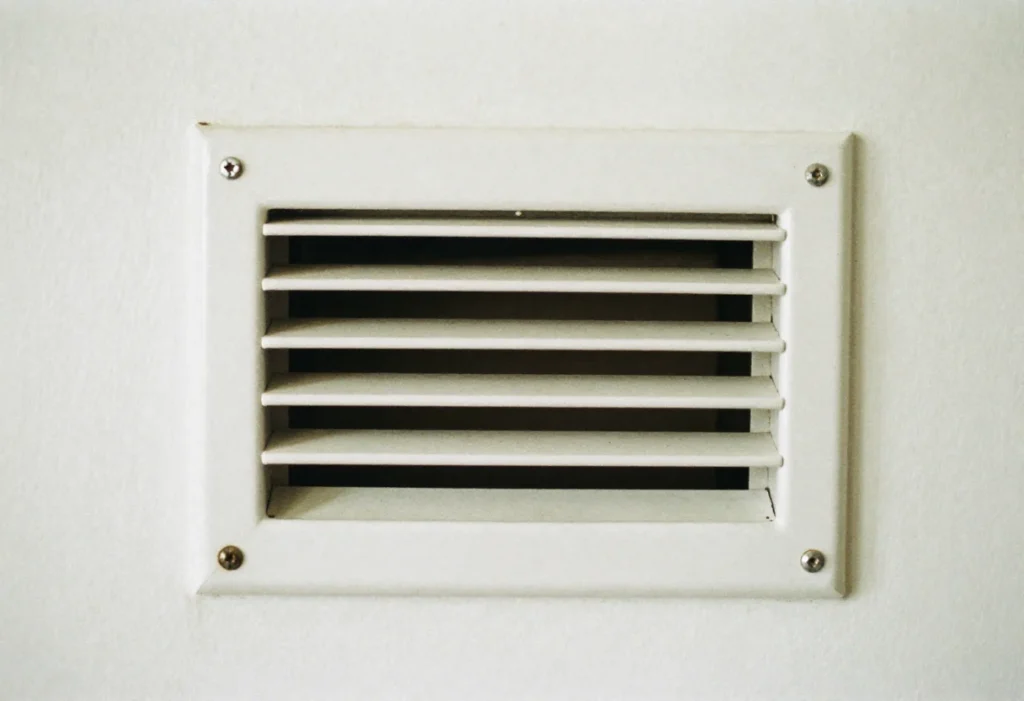
While return vent filters can help in some situations, they also come with real risks. More so if your HVAC system wasn’t designed for them.
The biggest issue is airflow.
Your HVAC system needs a steady, unrestricted flow of air to work properly. And when filters are added in the wrong places, the system can struggle to get airflow.
These problems often build slowly, which makes them easy to overlook until expensive repairs show up.
Overall, here are the disadvantages of using an air return vent with filter:
1. Reduced airflow
I am often asked by homeowners: Do vent filters block air flow?
And the answer is yes, they can.
You see, every filter creates some resistance to air flow, even clean ones. And when you add more than one return vent filter, your HVAC system has to work harder just to pull air in.
This reduced airflow can cause serious issues over time. Air conditioners might freeze up, furnaces can overheat, and you can end up with higher energy bills.
In many New Jersey homes, restricted airflow is made worse by dust and debris inside the ductwork, which is why professional air duct cleaning in New Jersey is often recommended before adding extra filters or increasing filtration resistance.
Plus, poor airflow also puts extra strain on parts like the blower motor, which can shorten the life of the equipment.
2. You might do double filtering
This is one of the most common problems I see with filters on return vents.
Many homeowners add a filter to the return vent without realizing there’s already a filter at the furnace or air handler.
This means the system is filtering the same air twice. And while it sounds like extra protection, it usually does more harm than good.
How?
Double filtering increases resistance and restricts airflow unless the HVAC system has been tested and approved for it.
3. Harder maintenance
When you have multiple return filters, maintenance quickly becomes more complicated. That’s because instead of changing one filter, you now have several to keep track of.
It is easy to forget replacing one of the filters, especially if it’s in a low-traffic area. And this can lead to clogged return vent filters and block airflow without you noticing.
4. Wrong filter type can cause damage
When it comes to placing a filter on return air vent, filter type matters more than you might realize.
How?
Well, if you install high-MERV filters, especially those rated MERV 11 to 13, it can severely restrict airflow when placed at return vents.
In fact, this is a common problem I notice in older New Jersey homes with smaller or modified ductwork.
And this happens because even though these filters are great at trapping tiny particles, they often aren’t compatible with return vent locations.
In short, here are all the cons of putting a filter on return air vent:
| Cons | Takeaway |
| Reduced Airflow | Extra resistance can cause frozen AC, overheating furnace, higher bills, and equipment wear. |
| Double Filtering | Adding a filter when one exists at furnace can reduce airflow and strain system. |
| Maintenance | More filters = more to remember; dirty filters block airflow and hurt performance. |
| Wrong Filter Type | High-MERV filters may block air in smaller/older ducts and stress the system. |
When to use filters on return vents and when not to?
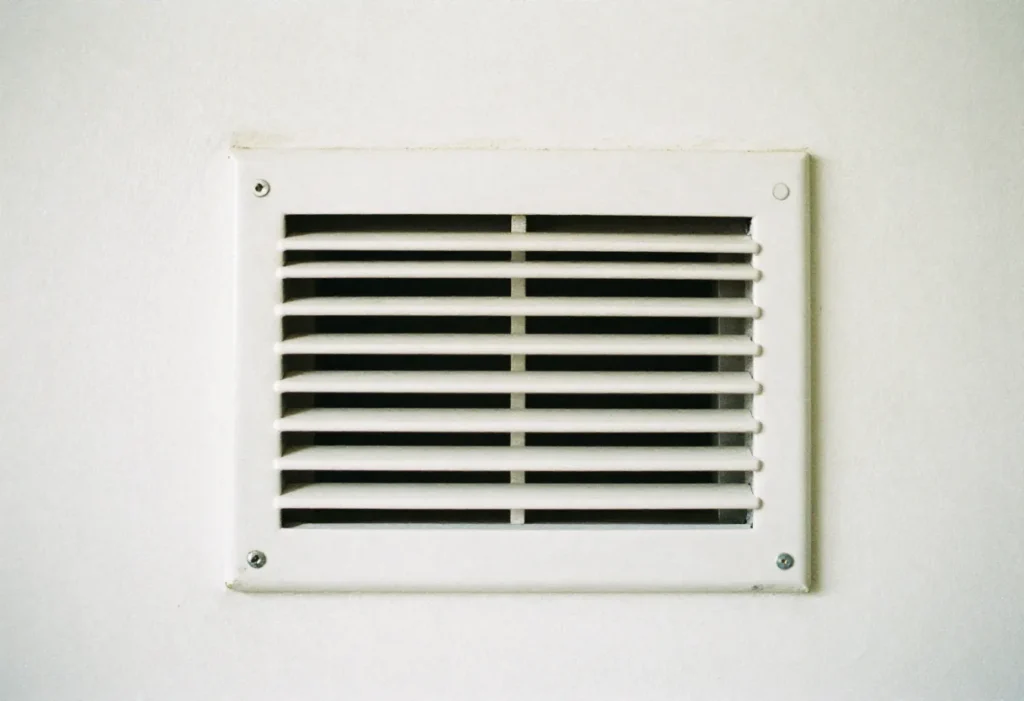
Return air vent filters aren’t automatically good or bad. They really depend on how your HVAC system is set up and how well it can handle extra resistance.
For instance, in some homes return vent filters do solve air quality-related problems. But in others, they can quietly create new problems.
So, your goal should always be to get clean air without hurting airflow.
All in all, here’s when I suggest using return vent filters, and when not to.
You can use an air filter in return vent if:
A. Your system has no central filter
Some older HVAC systems weren’t built with a main filter at the furnace or air handler. In these systems, return vent filters are a practical way to keep dust and debris from circulating through the system.
B. You use low-resistance filters (MERV 4-8)
Low-MERV air filters rated from MERV 4-8 are designed to catch larger particles without blocking airflow.
And when you use them at return vents, these lighter filters help protect the system while still allowing air to move freely, which is critical for proper HVAC performance.
C. You have multiple large return vents
Homes with several large return vents can sometimes handle filters better because airflow is spread out.
Here, the return vents are properly sized, and low-resistance filters work well without putting too much strain on the system.
D. You commit to regular filter changes
Return vent filters only help if they’re kept clean. So, if you are consistent about checking and changing filters every 30-60 days, your HVAC is far less likely to run into airflow problems or system strain.
E. Airflow has been tested or approved by a professional
When an HVAC professional confirms that your system can handle return vent filters, the risk drops significantly. That’s because proper airflow testing ensures the system won’t be starved for air or overworked.
In short, here’s when you can use a filter on return air vent:
| When to Use | Takeaway |
| No Central Filter | Older systems without main filters benefit from return vent filters. |
| Low-Resistance Filters (MERV 4-8) | These catch dust without restricting airflow. |
| Multiple Large Return Vents | Can spread airflow if system is balanced and filters are low-resistance. |
| Regular Changes | Filters only help if cleaned/changed every 30–60 days. |
| Airflow Approved | Professional confirmation ensures system can handle added filters. |
You should not use an air filter in return vent if:
A. Your system already has a properly sized central filter
If your HVAC system already uses a well-sized central filter, adding return vent filters usually creates unnecessary restriction.
One good filter in the right place is almost always better than several filters working against airflow.
B. You’re using high-MERV filters
High-MERV filters trap smaller particles but also block more air. And when you install them at return vents, they often restrict airflow too much, especially in residential systems that weren’t designed to handle that level of resistance.
C. Your home has older or undersized ductwork
A lot of old homes have duct systems that are smaller or less efficient. Adding return vent filters in these setups can quickly lead to airflow problems, uneven temperatures, and extra strain on HVAC components.
D. You notice weak airflow or temperature issues
If some rooms don’t heat or cool well, or airflow already feels weak, return vent filters can make things worse. These symptoms often mean the system needs more airflow and not more restriction.
E. Filters are being forgotten or neglected
A dirty return vent filter can quietly choke airflow. So, if filters aren’t checked and changed consistently, they can cause more damage than protection.
In short, here’s when you shouldn’t use a filter on return air vent:
| When Not to Use | Takeaway |
| Central Filter Exists | Extra filters usually create unnecessary resistance. |
| High-MERV Filters | Can block airflow too much for residential systems. |
| Older / Small Ductwork | Risk of weak airflow and uneven temperatures. |
| Weak Airflow or Temp Issues | Filters can worsen existing airflow problems. |
| Filters Neglected | Dirty filters can choke system more than they help. |
Here’s how I suggest you use air filters on return vents
If you ask me, most homeowners don’t need filters on every return vent. From my experience, the safest and most effective setup is just one good central filter, the one at your furnace or air handler.
Make sure it’s properly sized for your system and that you change it regularly.
That’s all it really takes to keep your HVAC running smoothly and the air in your home clean.
And what about return vent filters?
Well, I only recommend them in special cases, like if your system doesn’t have a central filter or a professional has approved it.
Otherwise, stick with the main filter as it is simpler, safer, and works better.
You might also want to read: Why Is Your AC Blowing Out Smoke And How To Fix It?
Schedule Your Free Estimate Today
Contact us to improve your indoor air
quality with our expert cleaning services in NJ.
Final words
So, can you put a filter on return air vent?
Yes, but only in the right situation.
For most homes, one properly placed filter is safer and more effective than multiple filters scattered throughout the system.
Return vent filters can help in certain cases, but they can also create airflow problems if you use them incorrectly.
Got more questions or want to schedule air filter replacement?
You can get in touch with us!
At Clean Air Technologies, we offer both one-time and recurring air filter replacement plans. We bring the highest-quality MERV-rated air filters to keep your indoor air clean.
Frequently asked questions
Is it bad to put a filter on every return air vent?
It can be, yes.
When you put filters on every return vent, you increase resistance in the system. This means your HVAC unit has to work harder to pull air in.
Over time, this can lead to weak airflow, frozen AC coils, overheating furnaces, and higher energy bills.
Should I use a return vent filter if my system already has one?
In most cases, no.
If your HVAC system already has a central filter at the furnace or air handler, adding return vent filters creates double filtering.
That extra restriction can reduce airflow and strain the system. I recommend sticking with one main filter that’s properly sized and changed regularly instead of adding multiple filters throughout the home.
What MERV rating is best for return air vent filters?
If you do use return vent filters, lower is better.
A MERV rating between 4 and 8 is usually the safest range.
Higher MERV filters can block too much airflow, especially in older New Jersey homes with smaller return ducts.
Do return air vent filters help with dust and pet hair?
Yes, they can help catch dust, pet hair, and lint before it enters the ductwork. This is especially useful in homes with shedding pets or visible dust buildup.
However, the benefit only matters if the filters are changed regularly. A dirty return vent filter can actually cause more problems than it solves by restricting airflow.
How often should return air vent filters be changed?
Return vent filters should typically be changed every 30 to 60 days, sometimes sooner in homes with pets, allergies, or heavy dust.
Are return air vent filters good for older homes?
It depends.
Many older New Jersey homes have undersized or modified ductwork, which makes airflow more sensitive.
Meaning adding return vent filters in these homes can sometimes cause airflow issues.
It is always a good idea to have your airflow checked by a professional.
What’s better: A return vent filter or a central HVAC filter?
For most homes, a single central HVAC filter is the better choice. It’s easier to maintain, designed into the system, and less likely to restrict airflow.
Return vent filters are best used only in special situations, like systems without a central filter.